
How Electric Forklifts Are Revolutionizing Sustainability in the Packaging Industry?
The packaging industry faces mounting pressure to reduce carbon emissions. Companies like Precision Colour Printing are leading the charge by switching to electric forklift fleets, cutting operational costs while boosting environmental credentials.
Electric forklifts deliver immediate sustainability benefits for packaging operations. They eliminate direct emissions, reduce noise pollution, and offer lower operating costs compared to gas-powered alternatives, making them essential for modern eco-conscious businesses.
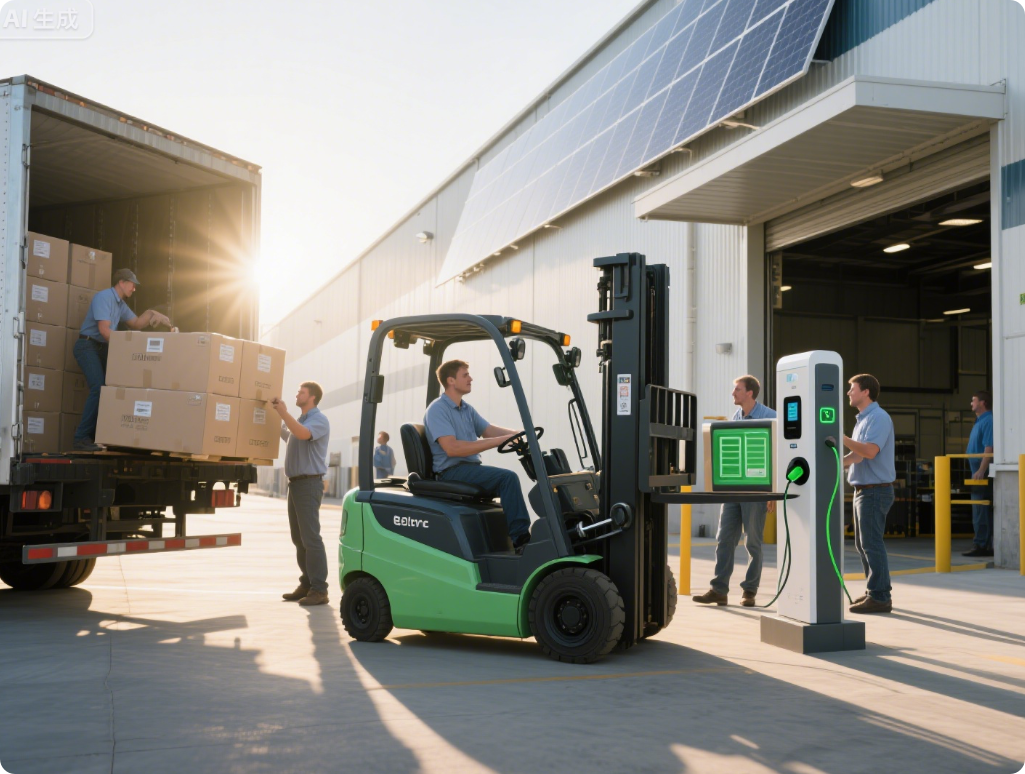
This shift represents more than equipment upgrades. It signals a fundamental transformation in how packaging companies approach environmental responsibility while maintaining operational efficiency.
Why Are Electric Forklifts Becoming Essential for Packaging Operations?
Packaging facilities consume significant energy through material handling. Traditional gas-powered forklifts contribute to indoor air pollution and higher operational costs through fuel consumption and maintenance requirements.
Electric forklifts eliminate direct emissions at the point of use. They operate quietly, require less maintenance, and provide consistent power output throughout their shift cycle, making them ideal for continuous packaging operations.

The Business Case for Electric Material Handling
I’ve observed how packaging companies struggle with rising operational costs. Electric forklifts address multiple pain points simultaneously. They reduce fuel expenses, minimize maintenance downtime, and improve worker safety through advanced features like speed control and enhanced lighting systems.
The financial benefits extend beyond immediate cost savings. Companies report improved productivity due to consistent power delivery and reduced equipment downtime. Electric models also qualify for various environmental incentives and tax benefits in many regions.
| Benefit Category | Gas-Powered Forklifts | Electric Forklifts |
|---|---|---|
| Direct Emissions | High CO2 output | Zero direct emissions |
| Operating Costs | Fuel + maintenance | Electricity only |
| Noise Levels | 85-95 decibels | 65-75 decibels |
| Maintenance Frequency | Weekly checks | Monthly checks |
| Indoor Air Quality | Poor (exhaust fumes) | Excellent (no emissions) |
Modern electric forklifts incorporate intelligent load assist technology and active fleet management systems. These features optimize energy consumption while providing real-time performance data for continuous improvement initiatives.
How Do Electric Forklifts Support Broader Sustainability Goals?
Sustainability initiatives require comprehensive approaches. Electric forklifts represent one component of larger environmental strategies that packaging companies must implement to remain competitive.
Electric material handling equipment reduces Scope 1 emissions while supporting circular economy principles. When powered by renewable energy sources, they achieve near-zero operational carbon footprint for material handling activities.
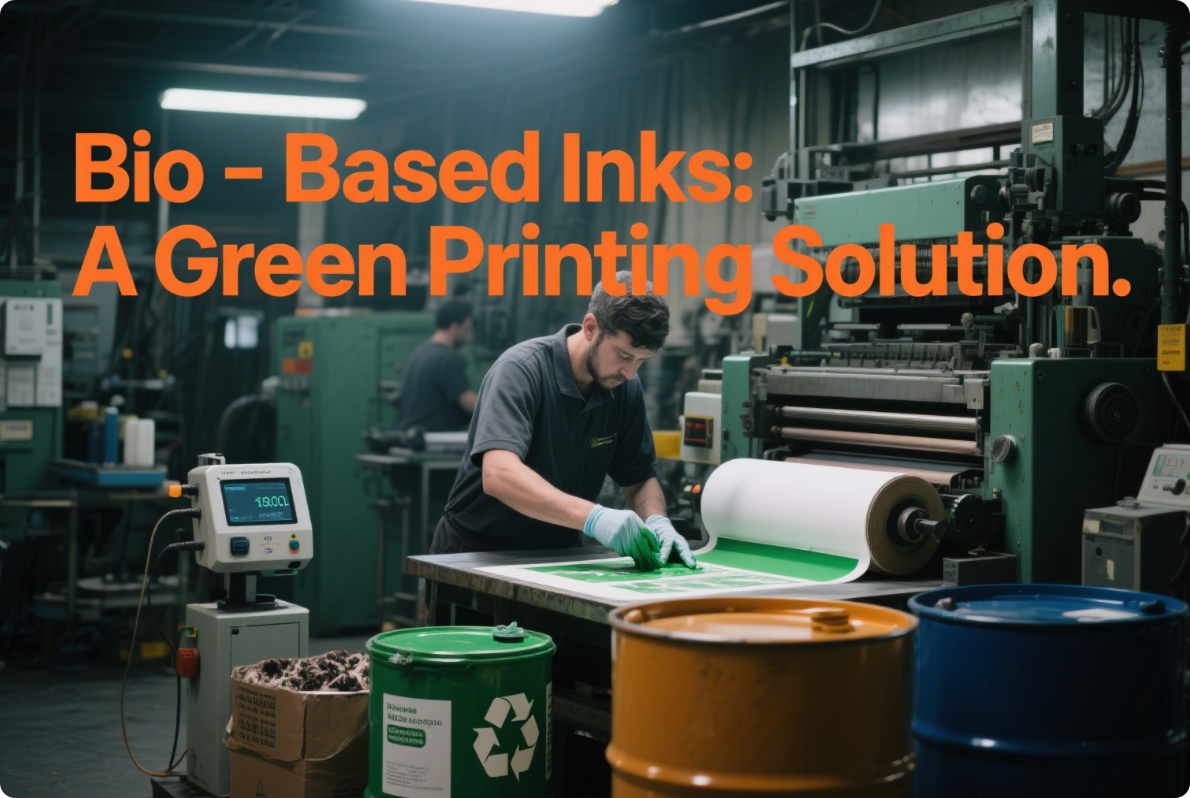
Integration with Renewable Energy Systems
I’ve seen packaging facilities combine electric forklift fleets with solar panel installations. This creates synergistic benefits where renewable energy powers material handling operations, dramatically reducing overall carbon footprint.
The timing works perfectly for many operations. Solar panels generate peak power during daylight hours when forklift usage is highest. Battery storage systems can capture excess energy for evening shift operations or backup power requirements.
Companies implementing these integrated systems report 60-80% reductions in material handling energy costs. The combination of electric forklifts and renewable energy creates compelling return on investment calculations that justify initial capital expenditure.
| Integration Benefit | Impact Level | Timeline |
|---|---|---|
| Energy Cost Reduction | 60-80% savings | 12-18 months |
| Carbon Footprint | 85-95% reduction | Immediate |
| Equipment Lifespan | 25% increase | 3-5 years |
| Maintenance Costs | 40% reduction | 6-12 months |
| Worker Satisfaction | Significant improvement | 1-3 months |
What Role Do Advanced Packaging Machines Play in Sustainable Operations?
Electric forklifts work best when integrated with efficient packaging machinery. Modern rigid box making machines and book cover machines require precise material handling for optimal performance.
Advanced packaging equipment reduces material waste while improving production efficiency. When combined with electric material handling, these systems create comprehensive sustainability solutions that address multiple environmental impact areas simultaneously.

Optimizing Material Flow for Sustainability
I’ve worked with facilities where material handling inefficiencies created significant waste. Electric forklifts with intelligent load management systems prevent damage during transport, reducing material losses and rework requirements.
The precision control available in electric models allows for gentler handling of delicate packaging materials. This becomes crucial when working with sustainable substrates that may be more fragile than traditional materials.
Robotic spotting machines and hybrid packaging systems benefit from consistent material delivery that electric forklifts provide. The reduced vibration and smooth operation prevent misalignment issues that can cause production delays.
| Equipment Integration | Sustainability Benefit | Efficiency Gain |
|---|---|---|
| Electric Forklifts + Rigid Box Machines | Reduced material damage | 15% throughput increase |
| Smart Material Handling + Book Cover Equipment | Lower waste generation | 20% material savings |
| Automated Systems + Round Box Machines | Energy optimization | 25% power reduction |
| Integrated Fleet Management + All Equipment | Predictive maintenance | 30% downtime reduction |
Modern collapsible box machines require precise material positioning for optimal fold quality. Electric forklifts provide the smooth, controlled movement necessary for maintaining tight tolerances throughout the production process.
How Can Packaging Companies Implement Electric Fleet Transitions?
Successful transitions require strategic planning and phased implementation. Companies should assess current material handling patterns, energy infrastructure, and operational requirements before making equipment decisions.
Start with high-usage areas where electric forklifts deliver maximum impact. Focus on indoor operations first, then expand to outdoor applications as battery technology and charging infrastructure improve.

Building the Business Case for Management
I’ve helped packaging companies develop compelling proposals for electric fleet transitions. The key lies in quantifying both environmental and financial benefits while addressing potential concerns about operational disruption.
Total cost of ownership calculations typically favor electric forklifts within 18-24 months. This includes reduced fuel costs, lower maintenance requirements, and improved worker productivity due to better working conditions.
Charging infrastructure represents the primary upfront investment beyond equipment costs. However, modern fast-charging systems minimize operational disruption while providing flexibility for multi-shift operations.
| Implementation Phase | Duration | Key Activities | Expected ROI |
|---|---|---|---|
| Assessment & Planning | 2-3 months | Usage analysis, infrastructure review | N/A |
| Pilot Program | 3-6 months | Single unit testing, performance monitoring | 15-20% |
| Partial Fleet Conversion | 6-12 months | High-usage area conversion | 25-35% |
| Full Implementation | 12-18 months | Complete fleet transition | 40-60% |
Partnering with experienced suppliers ensures smooth transitions. Companies like Linde Material Handling provide comprehensive support including training, maintenance, and fleet management services that minimize implementation risks.
What Future Developments Will Shape Electric Material Handling?
Battery technology continues advancing rapidly. Lithium-ion systems now offer 8-hour operation cycles with opportunity charging capabilities that eliminate range anxiety for most packaging applications.
Autonomous electric forklifts represent the next evolution in sustainable material handling. These systems optimize energy consumption while reducing labor costs and improving safety performance in packaging facilities.

Integration with Industry 4.0 Systems
I’ve seen early implementations of connected electric forklifts that communicate with packaging machinery and warehouse management systems. This creates opportunities for predictive maintenance and energy optimization that weren’t possible with traditional equipment.
Real-time data collection enables continuous improvement initiatives. Fleet managers can identify inefficient routes, optimize charging schedules, and predict maintenance requirements before equipment failures occur.
The integration extends to quality control systems where material handling data helps identify potential issues with rigid box production or book cover manufacturing processes.
| Technology Trend | Implementation Timeline | Impact on Sustainability |
|---|---|---|
| Autonomous Navigation | 2-3 years | 20% energy efficiency improvement |
| Predictive Maintenance | 1-2 years | 30% reduction in equipment downtime |
| Fleet Optimization AI | 3-5 years | 25% reduction in total energy consumption |
| Wireless Charging | 5-7 years | Elimination of charging downtime |
Hydrogen fuel cell technology offers potential for heavy-duty applications where battery weight becomes limiting. However, electric battery systems remain the most practical solution for typical packaging facility requirements.
Conclusion
Electric forklifts represent a practical step toward sustainable packaging operations. They deliver immediate environmental benefits while improving operational efficiency and worker safety in modern facilities.
My Role
I’m Jacob from Kylin Machine, helping packaging companies implement sustainable production solutions. Our post-press equipment works seamlessly with electric material handling systems to create efficient, environmentally responsible operations. Based in Dongguan, China, we’ve helped over 2,500 customers in more than 20 countries optimize their packaging processes through advanced robotic systems and hybrid technologies that support sustainability goals while maintaining production quality.



发表回复