
How to make paper round box with machine?
Struggling with slow, inconsistent manual box production? You are losing orders to competitors who deliver faster, more perfect boxes, which hurts your business and reputation. It is time to embrace automation.
The best way to make paper round boxes is with a specialized machine. These machines automate the entire process, from cutting and grooving the paperboard to forming and gluing the final product. This ensures speed, precision, and consistency, which are impossible to achieve by hand.
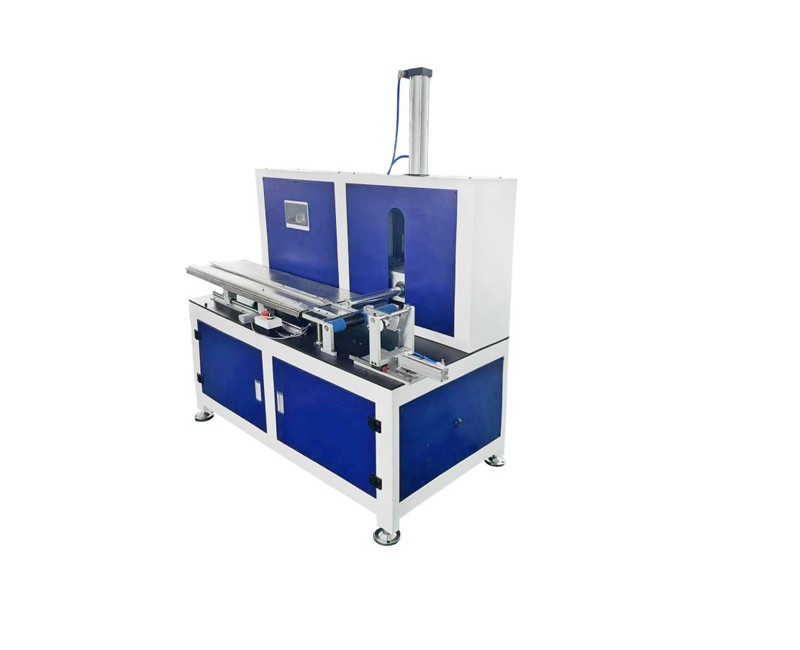
I have seen many businesses transform their production lines. They moved from slow, manual labor to the speed and precision of automated machines. It is a big step, but it is a necessary one to stay competitive. The questions you have are the same ones they had. How do you start? What machines do you need? Let’s walk through this journey together, and I will show you how you can build a more profitable business.
How to craft a circle box?
Are you finding it difficult to create perfectly uniform circle boxes by hand? These small imperfections lead to wasted materials and can damage your brand’s reputation for quality. A dedicated machine solves this problem completely.
A round box machine is the key to flawless production. It handles every step with precision, from cutting the cardboard to wrapping the final paper. This automation means every single box is identical, protecting your brand’s quality and boosting your output.

When I first started in this industry over 20 years ago, I visited a small workshop that made luxury gift boxes. The owner, a skilled craftsman, spent hours on a single round box. It was beautiful, but he could only make a few per day. He was proud of his craft but frustrated by his low output. He knew he was losing larger clients.
That’s when we talked about automation. He was hesitant. He worried a machine would lose the "human touch." I explained that a machine isn’t a replacement for a craftsman’s vision; it’s a tool to bring that vision to life on a larger scale. It ensures that the first box and the thousandth box have the same perfect quality.
The Automated Journey of a Round Box
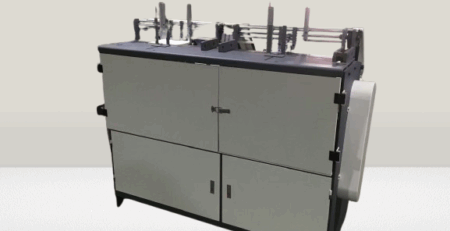
A fully automatic machine performs a sequence of tasks that would take a human worker hours to complete. It’s a symphony of mechanical precision.
-
Cardboard Feeding and Grooving: The machine first takes flat cardboard sheets. A high-precision grooving unit then cuts V-shaped grooves into the board. This is a critical step. The depth and angle of these grooves determine the final shape and strength of the box. Our Kylin machines use advanced cutters that ensure every groove is perfect, which prevents the paper from cracking during folding.
-
Forming the Cylinder: The grooved board is then wrapped around a circular mold. Heat and pressure are applied to form a perfect, seamless cylinder. This process is much more consistent than manual rolling, which can result in uneven shapes or weak seams.
-
Inner and Outer Wrapping: Next, the machine applies the decorative outer paper and the inner lining. A box wrapping machine uses a precise gluing system to apply a thin, even layer of adhesive. The paper is then smoothly wrapped around the cylinder, with no bubbles or wrinkles. This is where luxury products stand out.
-
Crimping and Finishing: Finally, the top and bottom edges are crimped or rolled to create a smooth, finished look. This step also adds structural integrity to the box.
Manual vs. Automated: A Clear Winner
The difference is not just in speed, but in every aspect of production. For any business looking to grow, the choice is clear.
| Feature | Manual Production | Automated Production with Kylin Machinery |
|---|---|---|
| Speed | 10-20 boxes per hour | 1,200-1,800 boxes per hour |
| Consistency | Varies with worker skill | Identical, perfect boxes every time |
| Material Waste | High (15-20%) due to human error | Low (1-2%) due to high precision |
| Labor Cost | High (multiple skilled workers) | Low (one operator for the machine) |
| Scalability | Very limited | High, easily meets large order demands |
A few years after our initial conversation, I revisited that workshop owner. He had invested in a paper box machine. His facility was larger, and his team was now operating two production lines. He told me it was the best decision he ever made. He was still a craftsman, but now he was also a successful manufacturer, serving clients he could only have dreamed of before.
What machine is used to fold a box shape?
Are you tired of the slow, manual process of folding boxes? The high cost of errors from manual work is eating into your profits and causing production delays. An automated box folding machine is the solution you need.
For creating high-quality rigid boxes, a rigid box maker is the industry standard. It automates the forming and gluing of the paperboard. For even greater precision and complex designs, a robotic arm case maker provides unmatched accuracy and flexibility.
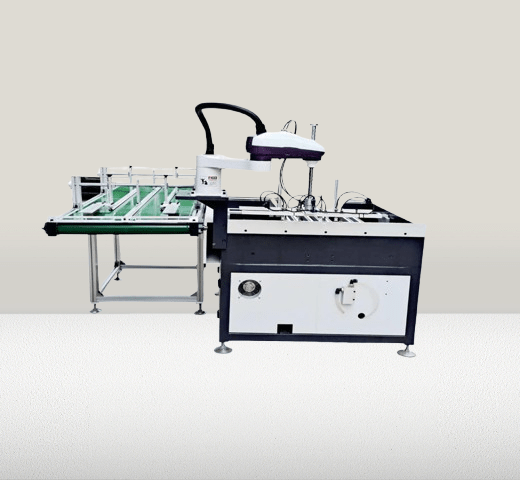
The term "box folding machine" can mean many things. The machine you need depends entirely on the type of box you want to make. A simple cardboard box for shipping requires a different machine than a luxury rigid box for a high-end product.
In my experience, many new businesses in the printing and packaging industry make the mistake of investing in the wrong equipment. They might buy a simple folder-gluer when what they really need for their target market—luxury packaging—is a case making machine. Let’s break down the different types of machines to help you understand what’s right for you.
A Machine for Every Box
The world of packaging is diverse. From a simple tuck-end box to a complex magnetic closure rigid box, there is a specialized machine designed for the job.
Folder-Gluers
These are the most common types of box-making machines. They are perfect for producing large volumes of simple cartons, like cereal boxes or pharmaceutical packaging. A flat, die-cut piece of cardboard is fed into the machine, where it is folded along pre-creased lines and glued. They are incredibly fast but are limited to simpler, non-rigid structures.
Rigid Box Machines
This is where Kylin Machinery excels. Rigid boxes, also known as set-up boxes, are the standard for luxury products like iPhones, jewelry, and high-end cosmetics. They don’t fold flat and are made from thick, sturdy paperboard. The process is more complex.
- Corner Pasting: First, a box forming machine takes the flat, die-cut paperboard and uses tape to form the four corners, creating the 3D box shape.
- Spotting and Wrapping: This is the most critical step for a quality finish. The decorative paper wrap, which has glue applied to it, is placed on a conveyor. The formed box needs to be placed onto this wrap with perfect accuracy. Our advanced Robotic Spotter uses cameras and robotic arms to place the box with a precision of ±0.1mm. This eliminates placement errors, which are common in manual or semi-automatic processes.
- Wrapping and Folding: The machine then wraps the paper up and around the sides of the box, neatly folding it inside. Our Hybrid Rigid Box Machine is designed for this, offering the flexibility to handle different sizes and complex shapes with ease.
Choosing the Right Technology
The technology you choose will define your capabilities as a manufacturer. Understanding the options is key to making a smart investment.
| Machine Type | Box Type | Key Advantage | Industry Application |
|---|---|---|---|
| Folder-Gluer | Folding Cartons | High Speed | Food, Pharmaceuticals, Retail |
| Semi-Automatic Rigid Box Maker | Rigid Boxes | Lower Initial Cost | Startups, Small Batch Production |
| Automatic Rigid Box Machine | Rigid Boxes | High Speed & Consistency | Luxury Goods, Electronics, Cosmetics |
| Robotic Arm Case Maker | Complex Rigid Boxes | High Precision & Flexibility | High-End Custom Packaging, Book Covers |
I remember a client from Turkey who was producing boxes for a famous brand of chocolates. They were using a semi-automatic system and struggled with quality control. The placement of the wrap was often slightly off, leading to a high rejection rate from their client. After they invested in one of our automatic rigid box machines with an integrated spotting system, their rejection rate dropped to nearly zero. The precision of the machine protected their relationship with their most important customer.
How to start carton box manufacturing?
Do you dream of starting your own carton box manufacturing business but feel lost about where to begin? The market seems crowded, and the initial investment feels daunting, leaving you stuck. The key is to start with a clear strategy and the right equipment.
To launch your business, first identify a specific market niche, like eco-friendly packaging or boxes for a local industry. Then, develop a solid business plan and secure funding. Most importantly, invest in versatile machinery. A collapsible box machine, for example, allows you to produce unique, high-value products.
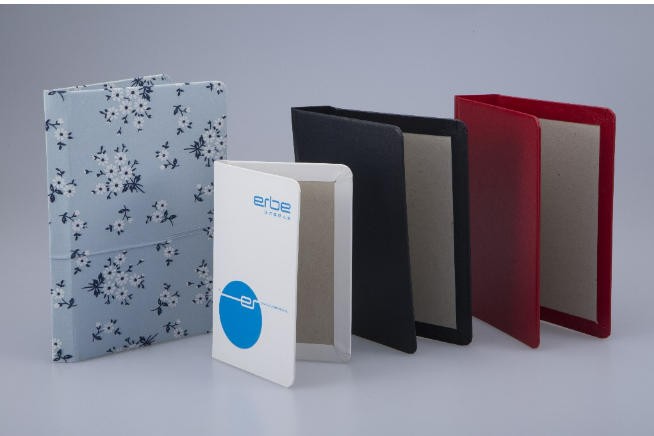
Starting a manufacturing business is a huge undertaking, but it’s also incredibly rewarding. I’ve had the privilege of helping entrepreneurs from all over the world, from the Middle East to the USA, take their first steps. The successful ones always start with a plan. They don’t try to serve everyone. They find a specific need in the market and focus on serving it better than anyone else.
One of my clients in India saw that the local wedding industry needed high-quality, ornate gift boxes. Instead of buying a standard machine, he worked with us to configure a line of post-press machines that could handle the special papers and embellishments he wanted to use. Today, he is the top supplier in his region. His success came from having a clear vision from the start.
Your Roadmap to a Successful Box Business
Building a factory from the ground up requires careful planning. Rushing any of these steps can lead to costly mistakes down the road.
Step 1: Find Your Niche
The packaging market is vast. Don’t try to compete on price for standard brown shipping boxes unless you have massive capital. Instead, find a profitable niche.
- Luxury Goods: High-end cosmetics, watches, electronics. These require premium rigid boxes.
- Food and Beverage: Custom boxes for artisanal foods, wine, or subscription boxes.
- E-commerce: Branded packaging that enhances the unboxing experience.
- Bookbinding: Creating beautiful hard book cover solutions for publishers.
Step 2: Create a Detailed Business Plan
Your business plan is your most important document. It should include:
- Market Analysis: Who are your customers? Who are your competitors?
- Financial Projections: Estimate your startup costs (machinery, facility, materials), operating costs, and potential revenue. Calculate your break-even point.
- Marketing and Sales Strategy: How will you reach your target customers?
- Operations Plan: Detail your production process, from sourcing raw materials to shipping the final product.
Step 3: Choose Your Machinery Wisely
This is the biggest investment you will make. Don’t just look at the price tag. Consider the total cost of ownership, including maintenance, reliability, and support.
| Consideration | Key Questions to Ask | Why It Matters |
|---|---|---|
| Production Volume | How many boxes do you need to produce per day/month? | Buying a machine that is too slow will limit your growth. Buying one that is too fast can be a waste of capital. |
| Box Types & Sizes | What is the range of box sizes and styles you plan to offer? | You need a machine with the flexibility to handle your product mix. A Hybrid Rigid Box Machine is great for this. |
| Level of Automation | Do you need a semi-automatic or fully automatic line? | This depends on your labor costs and production volume. Full automation reduces labor but requires a higher initial investment. |
| Supplier Reliability | Does the supplier have a good reputation? Do they offer training and after-sales service? | Your machine is the heart of your business. Downtime is lost money. At Kylin Machinery, we have a global network of distributors and a dedicated service team to support our 10,000+ users. |
Starting a business is a marathon, not a sprint. Begin with a solid foundation by choosing the right niche and the right packaging machinery. This will set you on the path to long-term success.
How do I make a simple paper box?
You want to produce a simple paper box, but you’re worried that DIY methods will look unprofessional and cheap. This can hurt your brand image and make it hard to attract quality clients. The solution is to use a machine, even for simple designs.
For a professional-looking simple paper box, a semi-automatic machine is an excellent choice. It automates the most difficult parts of the process, like precise gluing and forming, ensuring a high-quality finish every time without the investment of a fully automatic line.
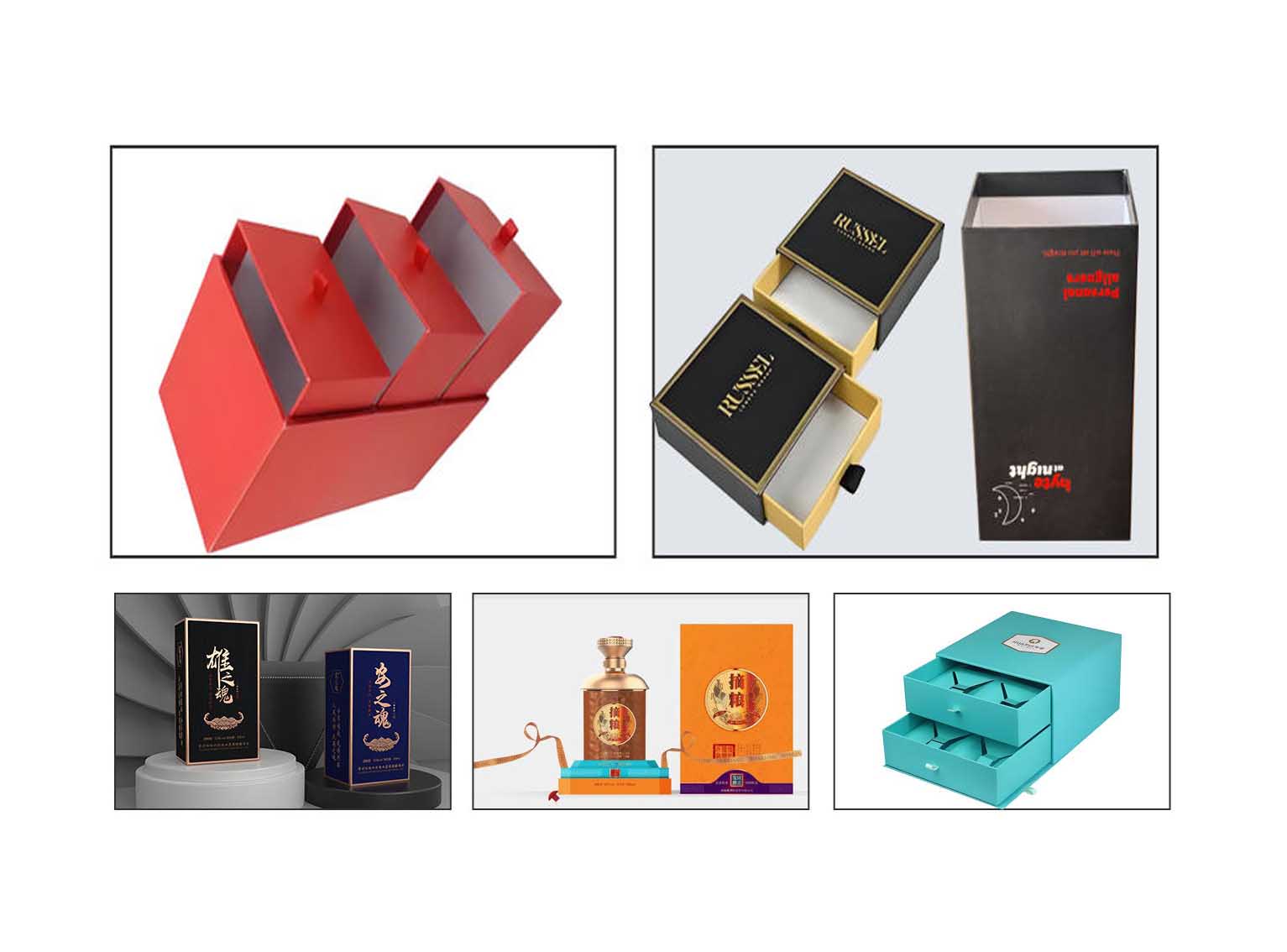
Many people think that "simple" means "easy." When it comes to box making, that’s not always true. Creating a simple box that is perfectly square, with clean edges and no glue stains, is very difficult to do by hand repeatedly. Consistency is what separates an amateur from a professional.
I once consulted for a startup that was making custom inserts for board games. They needed simple, sturdy boxes to hold the game pieces. They started by making them by hand, but they couldn’t keep up with orders, and the quality was inconsistent. They didn’t have the budget for a fully automatic line. We set them up with a semi-automatic box forming machine and a gluing station. It was the perfect middle ground. Their production speed tripled, and their quality became uniform. This allowed them to grow and eventually upgrade to a fully automated system.
The Path from Simple to Professional
Even the simplest box follows a fundamental process. A machine just perfects each step.
-
Cutting and Scoring: The process starts with a flat sheet of paperboard. This is cut to the correct size and then scored. Scoring creates the fold lines. In a manual process, this is done with a ruler and a blade. A machine uses a die-cutter, which cuts and scores hundreds of sheets per hour with perfect precision.
-
Folding: The scored board is then folded to create the box shape. Manually, this is straightforward but slow. A machine does this in a fraction of a second.
-
Gluing and Assembling: This is where most manual errors happen. Applying too much glue causes stains; too little causes the box to fall apart. A machine uses a precise system to apply the exact amount of hot-melt or cold glue needed and then assembles the box under pressure to ensure a strong bond.
Elevating the "Simple" Box
A simple box doesn’t have to be boring. With the right equipment, you can add features that turn a basic container into a piece of premium packaging. For example, you can use a book cover packing machine to create beautiful presentation boxes with a book-style opening. This adds a level of sophistication that commands a higher price.
The table below shows how the production method impacts the final product, even for a simple box design.
| Production Method | Quality & Consistency | Speed | Professionalism | Best For |
|---|---|---|---|---|
| DIY / Manual | Low & Inconsistent | Very Slow | Low | Hobbyists, Prototypes |
| Semi-Automatic | High & Consistent | Moderate | High | Startups, Small to Medium Businesses |
| Fully Automatic | Very High & Uniform | Very Fast | Very High | Large Scale Manufacturing |
The journey often starts with a simple box. But as your business grows, your capabilities should too. By investing in scalable packaging machinery, you can start with simple products and gradually move into more complex and profitable areas like luxury rigid boxes or custom book covers. It’s about building a foundation for future growth.
Conclusion
In summary, using the right machine is the key to producing high-quality paper boxes efficiently. From simple cartons to luxury round boxes, automation ensures precision, speed, and profitability for your business.
About the Author
My name is Jacob, and I am from Kylin Machine. We are a factory in China specializing in high-tech post-press machines for the packaging and printing industry. We help businesses worldwide grow with our reliable and advanced solutions. Visit us at www.kylinmachines.com to learn more.

发表回复