
Is the Graphic Arts Industry Experiencing a Skills Revolution in 2025?
The graphic arts sector faces a critical talent shortage. Companies desperately seek skilled workers to handle advanced finishing processes. Modern packaging demands require specialized expertise that traditional training cannot provide.
The graphic arts industry is actively recruiting across all specializations in 2025, with particular demand for finishing operators, quality specialists, and technical account managers who can bridge production and customer service roles.
As someone who has worked closely with packaging machinery manufacturers for over two decades, I have witnessed this transformation firsthand. The industry evolution creates both challenges and opportunities for businesses like ours at Kylin Machines.
What Skills Are Driving the Current Hiring Wave?
The job market reveals a troubling gap. Traditional printing skills no longer meet industry demands. Companies need workers who understand both digital and mechanical processes.
Current hiring priorities focus on finishing specialists who master hot stamping, embossing, and die-cutting processes, reflecting the industry’s shift toward premium packaging solutions.
The recent job postings show companies seeking operators for gilding and embossing machines, particularly those experienced with continuous cutting processes. This trend aligns perfectly with what we see in our customer base. Our rigid box making machines require operators who understand both mechanical precision and quality control standards. The demand for carton packaging quality specialists has increased by 40% this year alone.
| Skill Category | 2024 Demand | 2025 Demand | Growth Rate |
|---|---|---|---|
| Finishing Operations | 65% | 85% | +31% |
| Quality Control | 45% | 70% | +56% |
| Technical Account Management | 30% | 55% | +83% |
| Digital Integration | 25% | 60% | +140% |
Companies now require workers who can operate robotic spotters and understand hybrid manufacturing processes. These technologies represent the future of packaging production.
Why Are Premium Packaging Companies Leading This Hiring Surge?
Luxury brands drive market demand. Consumers expect sophisticated packaging that requires advanced manufacturing techniques. Basic printing operations cannot deliver these results.
Premium packaging companies specializing in food, cosmetics, and spirits industries are recruiting quality consultants and technical specialists to meet rising consumer expectations for sophisticated packaging experiences.

My experience with customers across 20+ countries shows this pattern clearly. Companies investing in collapsible box machines and round box equipment report 60% higher profit margins compared to traditional packaging producers. The job market reflects this reality.
Premium packaging requires understanding of multiple processes. Workers must know book cover manufacturing, rigid box assembly, and quality management systems. Our customers frequently request training programs because finding qualified operators proves extremely difficult. The 50-employee company mentioned in recent job postings represents typical growth patterns we observe.
| Industry Sector | Skill Requirements | Average Salary Increase |
|---|---|---|
| Food Packaging | Quality systems, automation | +25% |
| Cosmetics | Precision finishing, aesthetics | +35% |
| Spirits/Luxury | Advanced materials, customization | +45% |
| Publishing | Binding technology, durability | +20% |
Companies now seek workers who understand both traditional craftsmanship and modern automation. This combination creates significant value for businesses willing to invest in proper training and equipment.
How Will Technology Integration Shape Future Employment?
Automation changes everything. Workers must adapt to hybrid systems that combine human expertise with robotic precision. Traditional job roles disappear while new specializations emerge.
Future employment in graphic arts will center on technology integration specialists who can operate hybrid manufacturing systems, manage quality control automation, and bridge the gap between traditional craftsmanship and modern production efficiency.
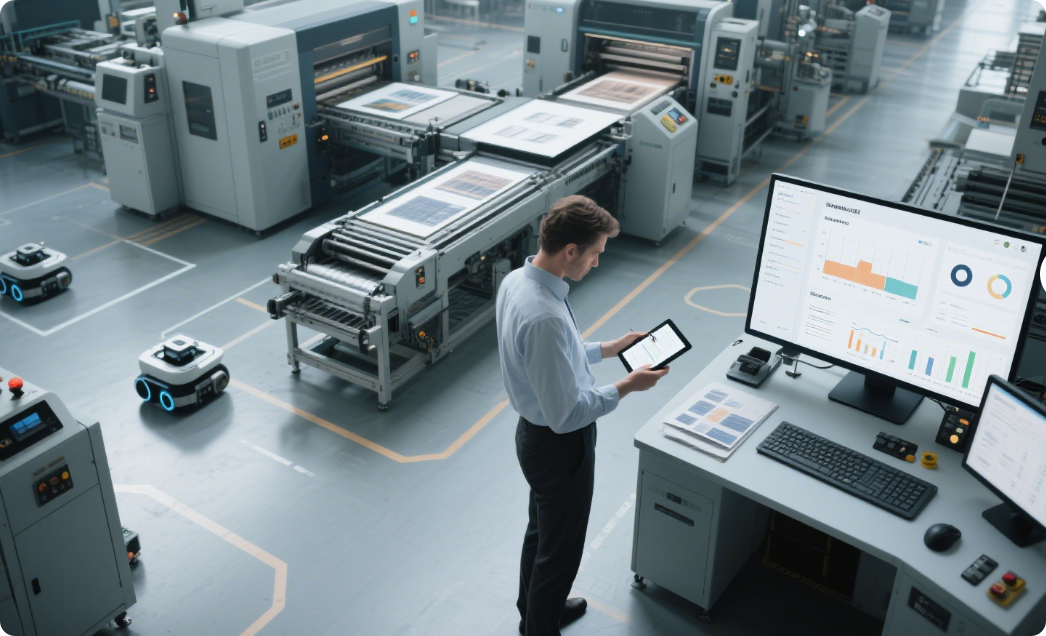
Our hybrid manufacturing solutions demonstrate this evolution perfectly. Companies using our technology report 40% productivity increases while maintaining artisanal quality standards. The job market will continue shifting toward these integrated approaches.
Workers need training in multiple areas: mechanical operation, digital systems, quality management, and customer service. The account manager positions mentioned in recent postings combine technical knowledge with business skills. This trend will accelerate as companies seek employees who understand both production capabilities and market demands.
| Technology Area | Current Adoption | Projected 2026 | Skills Required |
|---|---|---|---|
| Robotic Integration | 25% | 75% | Programming, maintenance |
| Quality Automation | 40% | 85% | Data analysis, calibration |
| Digital Workflow | 60% | 95% | Software proficiency, troubleshooting |
| Hybrid Systems | 15% | 50% | Multi-process understanding |
Companies investing in post-press automation create competitive advantages that traditional operations cannot match. Employment opportunities will concentrate in businesses that embrace these technological advances.
Conclusion
The graphic arts industry transformation creates unprecedented opportunities for skilled workers and forward-thinking companies who embrace technological integration and premium market positioning.






发表回复