

The Future of Paper Bag Manufacturing: Revolutionary Trends and Technologies Shaping 2024
The paper bag industry is experiencing an unprecedented transformation in 2024, driven by sustainability imperatives, technological innovations, and evolving consumer preferences. [1] As businesses worldwide pivot towards eco-friendly packaging solutions, paper bags have emerged as the cornerstone of sustainable packaging strategies, revolutionizing how we approach retail, e-commerce, and industrial packaging needs.
Market Dynamics and Growth Trajectory
The global paper bag market has demonstrated remarkable resilience and growth potential, generating USD 6.2 billion in revenue in 2023 and projected to grow by 3.5% year-on-year in 2024. [4] This growth trajectory reflects a fundamental shift in consumer behavior and regulatory landscapes that favor sustainable packaging alternatives.
Regional Market Leadership
The Asia-Pacific region dominates the paper bag manufacturing landscape, driven by rapid industrialization in countries such as China and India. [2] North America follows closely, leading in sustainable packaging solutions as businesses increasingly adopt environmentally conscious practices.
Technological Innovations Revolutionizing Paper Bag Manufacturing
Advanced Manufacturing Equipment
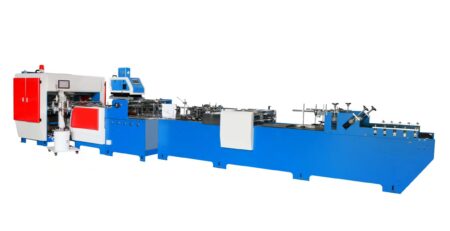
Modern paper bag making machines have evolved significantly, incorporating cutting-edge automation and precision engineering. [1] These sophisticated systems can produce up to 2,000 bags per hour, featuring:
- Precise bag size control for consistent quality
- Efficient adhesive application systems
- Rapid cycle times for enhanced productivity
- Intelligent sorting capabilities based on size and design criteria
Smart Manufacturing Integration
The integration of Industry 4.0 technologies has transformed traditional manual paper bag making machines into intelligent production systems. These advancements include:
- IoT connectivity for real-time monitoring
- Predictive maintenance capabilities
- Quality control automation
- Energy efficiency optimization
Sustainability: The Driving Force Behind Innovation
Eco-Friendly Material Innovations
The paper bag industry is witnessing revolutionary material innovations that enhance both sustainability and functionality: [1]
Alternative Fiber Sources
- Agricultural waste utilization (wheat straw, sugarcane bagasse)
- Recycled content integration up to 100%
- Bamboo and hemp fibers for enhanced durability
Bioplastic Integration
- Plant-based bioplastics for water resistance
- Compostable coatings maintaining eco-friendliness
- Heat-resistant properties for food service applications
Environmental Impact Reduction
Manufacturers are implementing comprehensive sustainability strategies: [3]
- Carbon footprint minimization through optimized production processes
- Waste reduction technologies achieving near-zero waste manufacturing
- Renewable energy integration in production facilities
- Sustainable sourcing practices for raw materials
Market Comparison: Paper Bags vs. Traditional Packaging
| Feature | Paper Bags | Plastic Bags | Cardboard Boxes |
|---|---|---|---|
| Biodegradability | 100% biodegradable | Non-biodegradable | 100% biodegradable |
| Production Cost | Moderate | Low | High |
| Durability | Good | Excellent | Excellent |
| Customization | Excellent | Limited | Good |
| Weight Efficiency | Excellent | Excellent | Poor |
| Storage Space | Minimal | Minimal | High |
| Brand Appeal | High | Low | Moderate |
| Regulatory Compliance | Excellent | Poor | Good |
Industry Applications and Market Segments
Retail Sector Transformation
The retail industry represents the largest consumer segment for paper bags, with brands prioritizing sustainable packaging to enhance their eco-friendly image. [4] Key applications include:
- Fashion and apparel packaging
- Grocery and food retail solutions
- Luxury goods presentation
- Promotional merchandise distribution
E-commerce Revolution
The e-commerce boom has significantly increased demand for durable, lightweight paper bag manufacturing equipment capable of producing bags that can handle heavier items while maintaining structural integrity. [3]
Food Service Industry
Food and beverage industries, particularly delivery services, show the highest demand for specialized paper bags with enhanced properties:
- Grease-resistant coatings for food safety
- Temperature retention capabilities
- Moisture barrier technologies
- FDA-approved materials for direct food contact
Manufacturing Process Optimization
Automated Production Lines
Modern paper bag making machines incorporate sophisticated automation technologies: [1]
- Roll feeding systems with automatic tension control
- Precision gluing mechanisms for consistent seam quality
- Tube forming technology with adjustable parameters
- Bottom folding automation for various bag styles
- Quality inspection systems with reject mechanisms
- Automatic collection and counting for efficient packaging
Quality Control Innovations
Advanced quality control systems ensure consistent product standards:
- Vision inspection systems for defect detection
- Weight monitoring for material consistency
- Dimensional accuracy verification
- Strength testing automation
Digital Transformation and Smart Features
Interactive Packaging Technologies
Paper bags are evolving beyond simple carriers to become interactive marketing tools: [3]
- QR code integration for digital engagement
- Augmented reality features for enhanced customer experience
- NFC technology for product authentication
- Smart labels with temperature indicators
Customization and Personalization
Digital printing technologies enable unprecedented customization capabilities: [4]
- Variable data printing for personalized messages
- Short-run customization for niche markets
- Multi-SKU production on single machines
- Real-time design modifications during production
Economic Impact and Cost Efficiency
Production Cost Analysis
The economics of paper bag manufacturing have improved significantly with technological advancements:
| Cost Factor | Traditional Methods | Modern Automated Systems |
|---|---|---|
| Labor Costs | High | Reduced by 60% |
| Material Waste | 15-20% | 3-5% |
| Energy Consumption | Standard | 30% reduction |
| Production Speed | 500 bags/hour | 2000+ bags/hour |
| Quality Consistency | Variable | 99.5% accuracy |
| Maintenance Costs | High | Predictive maintenance |
Return on Investment
Investment in modern paper bag manufacturing equipment typically yields:
- Payback period: 18-24 months
- Productivity increase: 300-400%
- Quality improvement: 95% defect reduction
- Energy savings: 25-35% annually
Regulatory Landscape and Compliance
Global Regulatory Trends
Regulatory pressure to eliminate single-use plastics is accelerating paper bag adoption: [4]
- EU Single-Use Plastics Directive implementation
- State-level plastic bag bans in the United States
- Extended Producer Responsibility regulations
- Carbon footprint reporting requirements
Certification Standards
Key certifications driving market acceptance:
- FSC (Forest Stewardship Council) certification
- PEFC (Programme for Endorsement of Forest Certification)
- Cradle to Cradle certification
- ISO 14001 environmental management
Future Outlook and Emerging Trends
Technological Roadmap
The future of paper bag manufacturing will be shaped by: [5]
- Artificial Intelligence integration for predictive quality control
- Blockchain technology for supply chain transparency
- Advanced material science for enhanced properties
- Circular economy principles in design and production
Market Projections
Industry analysts project continued growth driven by:
- Increasing environmental awareness among consumers
- Corporate sustainability commitments from major brands
- Technological cost reductions making paper bags more competitive
- Regulatory support for sustainable packaging solutions
Investment Opportunities and Market Entry
Equipment Selection Criteria
When selecting paper bag making machines, consider:
- Production capacity requirements
- Automation level needed
- Quality standards compliance
- Energy efficiency ratings
- Maintenance requirements and support
- Scalability for future growth
Market Entry Strategies
Successful market entry requires:
- Technology partnership with established manufacturers
- Sustainable sourcing agreements
- Quality certification achievement
- Customer education programs
- Competitive pricing strategies
Research and Development Frontiers
Academic Collaboration
Leading research institutions are advancing paper bag technology through studies available on platforms like arxiv.org, focusing on:
- Nanotechnology applications for enhanced properties
- Bio-based coating development for functionality
- Lifecycle assessment optimization
- Circular design principles implementation
Innovation Partnerships
Collaborations between manufacturers and research institutions are yielding breakthrough innovations in:
- Smart material development
- Production process optimization
- Waste reduction technologies
- Energy efficiency improvements
Conclusion: Embracing the Paper Bag Revolution
The paper bag industry stands at the forefront of the sustainable packaging revolution, driven by technological innovation, environmental consciousness, and regulatory support. [1] Modern paper bag manufacturing equipment represents a convergence of sustainability, efficiency, and innovation that positions businesses for success in an increasingly eco-conscious marketplace.
As we advance through 2024 and beyond, the integration of smart technologies, sustainable materials, and automated production processes will continue to transform the paper bag industry. Companies investing in advanced manual paper bag making machines and automated systems today are positioning themselves at the forefront of this transformation, ready to meet the growing demand for sustainable packaging solutions while achieving operational excellence and competitive advantage.
The future of paper bag manufacturing is not just about producing bags—it’s about creating intelligent, sustainable, and interactive packaging solutions that serve both business objectives and environmental stewardship. By embracing these innovations and investing in cutting-edge manufacturing technologies, businesses can participate in shaping a more sustainable future while achieving remarkable growth and profitability in the dynamic packaging industry.
For more information about advanced paper bag manufacturing solutions, visit Kylin Machines to explore our comprehensive range of innovative production equipment designed for the future of sustainable packaging.

发表回复