
What is a Paper Bag Machine and Why Does Your Business Need One?
You see paper bags everywhere, but have you ever wondered how they’re made so quickly and efficiently? The answer lies in sophisticated machinery that transforms simple paper rolls into finished products.
A paper bag machine is an automated system that transforms paper rolls into finished bags through a series of precise operations including cutting, folding, and pasting. Modern machines can produce up to 230 bags per minute, making them essential for efficient, high-volume production.
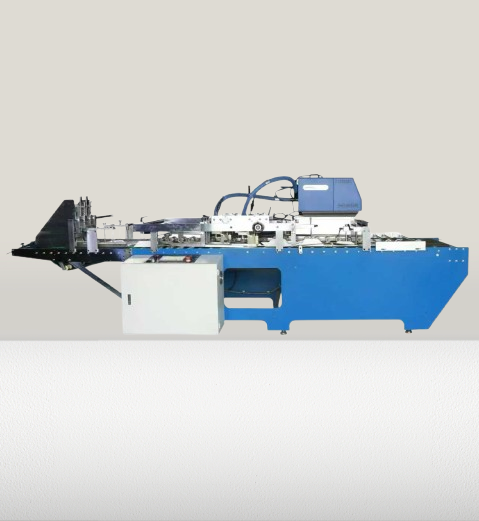
I’ve been working in the packaging machinery industry for over two decades at Kylin Machines, and I’ve seen how the right equipment can transform a business. Let me share what I’ve learned about these remarkable machines.
What Machines Are Used to Make Paper Bags?
The packaging industry relies on several types of machines, but which ones actually create those bags you use every day?
Paper bag manufacturing primarily uses automatic paper bag making machines, manual paper bag machines, and specialized equipment like square bottom bag machines and handle attachment systems. Each serves different production volumes and bag specifications.
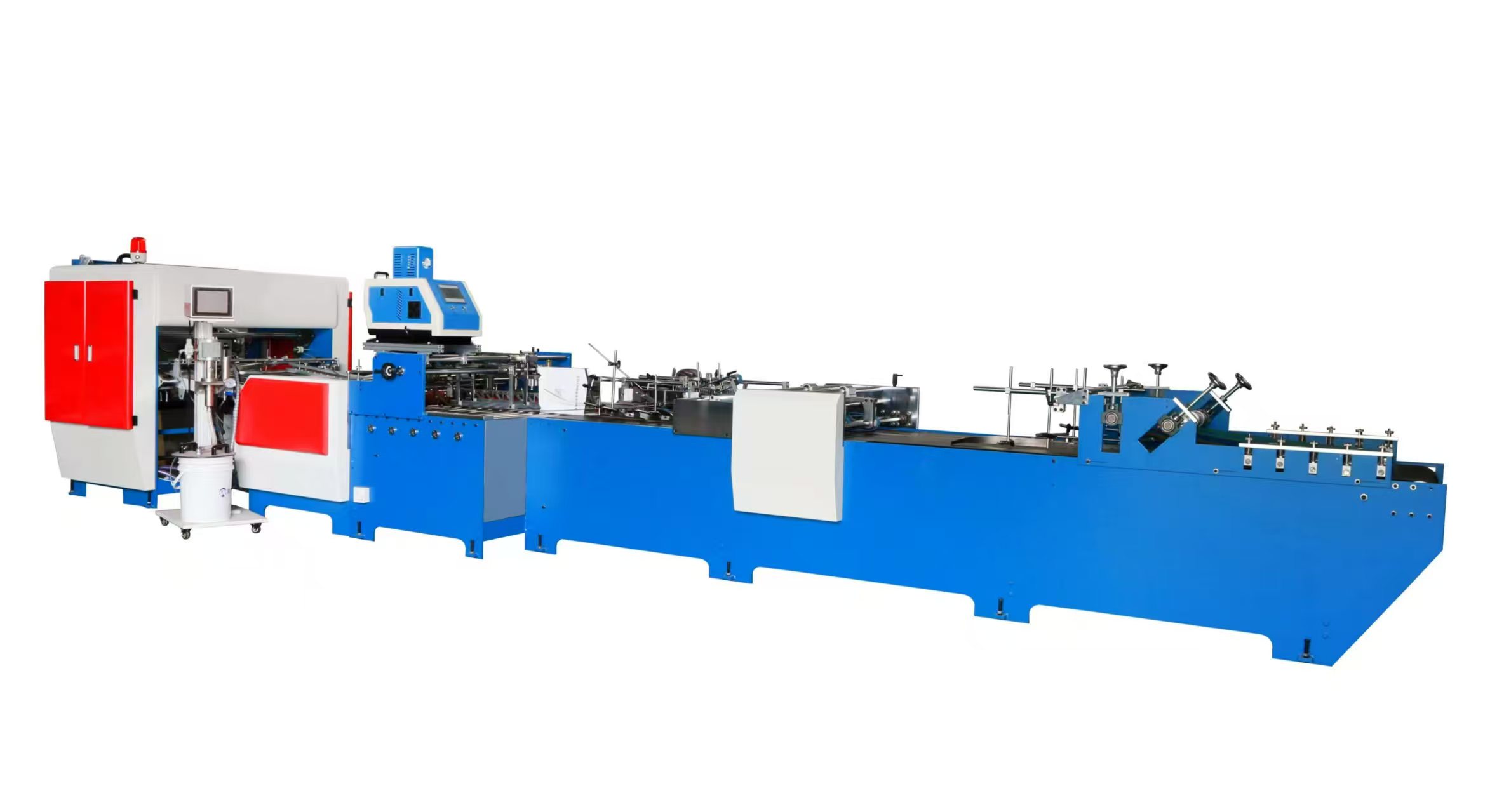
At our factory in Dongguan, I work with customers who need different solutions. Small printing shops often start with manual paper bag making machines that produce 50-80 bags per minute. These machines cost less and require minimal training.
Medium-sized operations typically choose automatic paper bag machines that can handle 120-180 bags per minute. These systems include automatic feeding, cutting, and gluing functions.
Large manufacturers invest in high-speed paper bag production lines capable of 200-300 bags per minute. These lines often include additional equipment like paper bag printing machines and handle making systems.
| Machine Type | Speed (bags/min) | Best For | Investment Level |
|---|---|---|---|
| Manual | 50-80 | Small shops | Low |
| Semi-automatic | 80-120 | Growing businesses | Medium |
| Automatic | 120-180 | Medium operations | Medium-High |
| High-speed lines | 200-300+ | Large manufacturers | High |
Specialized machines handle specific bag types. Flat bottom bag machines create sturdy grocery bags. Twisted handle machines add convenient carrying options. Food grade bag equipment ensures safety standards for restaurant and food service applications.
What is Paper Bag Explanation?
Paper bags seem simple, but understanding their construction reveals why proper machinery matters so much.
A paper bag consists of multiple paper layers folded and glued in specific patterns to create strength and functionality. The manufacturing process involves precise cutting, folding, bottom formation, and adhesive application to ensure structural integrity and consistent quality.

I often explain to customers that paper bags have three main components. The body forms the main structure using kraft paper or recycled materials. The bottom provides stability through multiple folds that distribute weight evenly. The top edge receives reinforcement to prevent tearing during use.
Modern paper bags use water-based adhesives that cure quickly during production. Adhesive application systems ensure consistent bonding without excess material waste. Temperature control during the gluing process affects final bag strength.
Bag specifications vary significantly based on intended use. Shopping bags typically use 70-100 GSM paper with reinforced handles. Food service bags require grease-resistant coatings and food-safe adhesives. Industrial bags may incorporate multiple paper layers for heavy-duty applications.
| Bag Component | Function | Quality Factors |
|---|---|---|
| Body panels | Main structure | Paper thickness, grain direction |
| Bottom fold | Weight distribution | Fold precision, adhesive coverage |
| Side gussets | Expansion capacity | Crease sharpness, material flexibility |
| Top edge | Handle attachment | Reinforcement quality, edge finishing |
The manufacturing process requires precise timing and pressure control. Paper feeding systems maintain consistent material flow. Cutting mechanisms ensure accurate dimensions. Folding units create sharp, durable creases that won’t fail under load.
What is a Bag Machine?
Bag machines encompass more than just paper bag equipment, but understanding their core principles helps choose the right solution.
A bag machine is any automated system designed to convert raw materials into finished bags through controlled processes including material handling, shaping, sealing, and finishing. These machines range from simple manual units to complex production lines with integrated quality control.
In my experience serving over 2,500 customers across 20+ countries, bag machines fall into several categories. Plastic bag machines use heat sealing for synthetic materials. Woven bag equipment handles heavy-duty applications. Non-woven bag systems create reusable shopping bags.
Paper bag machines represent a specialized subset focused on sustainable packaging solutions. These systems must handle the unique properties of paper materials including grain direction sensitivity, moisture content effects, and adhesive compatibility requirements.
Key machine components include material unwinding systems that maintain proper tension. Printing units add branding and information. Die cutting stations create precise shapes. Quality inspection systems ensure consistent output.
| Machine Category | Material Type | Sealing Method | Typical Applications |
|---|---|---|---|
| Paper bag | Paper/cardboard | Adhesive bonding | Retail, food service |
| Plastic bag | PE/PP films | Heat sealing | Packaging, storage |
| Woven bag | PP woven fabric | Stitching/sealing | Industrial, agriculture |
| Non-woven bag | Spunbond materials | Ultrasonic welding | Shopping, promotional |
Modern bag machines incorporate servo motor controls for precise positioning. PLC control systems enable recipe storage and automatic changeovers. Touch screen interfaces simplify operation and reduce training time. Remote monitoring capabilities allow real-time production tracking.
What is Paper Bag Business?
The paper bag business represents a growing opportunity in sustainable packaging, but success requires understanding market dynamics and equipment choices.
Paper bag business involves manufacturing and supplying paper bags to retailers, restaurants, and other commercial customers who need sustainable packaging solutions. This industry benefits from increasing environmental awareness and regulations limiting plastic bag use.
I’ve helped many entrepreneurs start paper bag businesses over the years. The market opportunity continues expanding as cities ban plastic bags and consumers demand eco-friendly alternatives. Successful operations typically serve local markets initially before expanding regionally.
Startup considerations include equipment selection based on target production volumes. Entry-level machines cost $15,000-30,000 and suit small operations. Mid-range systems require $50,000-100,000 investment for medium capacity. Industrial production lines exceed $200,000 but serve large-scale operations.
Raw material sourcing affects profitability significantly. Kraft paper prices fluctuate based on pulp costs and availability. Paper roll handling equipment reduces waste and improves efficiency. Adhesive dispensing systems control material costs while ensuring quality.
Customer segments include grocery stores needing checkout bags, restaurants requiring food service bags, retail shops wanting branded packaging, and e-commerce businesses seeking shipping solutions. Each segment has specific requirements for size, strength, printing, and handle options.
| Business Model | Target Customers | Key Success Factors |
|---|---|---|
| Local supplier | Small retailers | Quick delivery, competitive pricing |
| Regional manufacturer | Chain stores | Consistent quality, volume capacity |
| Specialty producer | Premium brands | Custom designs, superior materials |
| Contract manufacturer | Multiple clients | Flexibility, cost efficiency |
Operational efficiency depends on production planning software that optimizes machine utilization. Inventory management systems track raw materials and finished goods. Quality assurance protocols maintain customer satisfaction and reduce returns.
Conclusion
Paper bag machines transform simple paper into essential packaging solutions that meet growing demand for sustainable alternatives to plastic bags.

发表回复