


Smart Packaging & Digital Printing

Smart Packaging & Digital Printing:
The Forces Reshaping a $737 Billion Industry
The global printing and packaging industry is undergoing its most dramatic reinvention in decades. Driven by the convergence of smart technology, digital printing breakthroughs, and an uncompromising sustainability mandate, brands and manufacturers that fail to adapt risk being left behind — fast.
From e-commerce giants to luxury cosmetics houses, the pressure is the same: deliver packaging that is smarter, greener, and more personalised — without sacrificing speed or cost efficiency. In 2026, this is no longer a vision. It is the competitive baseline.
Why 2026 Is a Turning Point for Printing & Packaging
Three powerful forces are colliding simultaneously: regulatory pressure (the EU’s Packaging and Packaging Waste Regulation — PPWR — is now in enforcement), consumer expectation shifts, and an explosion of affordable digital and AI-driven manufacturing technology. These forces are not operating in isolation — they are reinforcing each other and accelerating the pace of change across every segment of the market.
According to a 2026 Alliance Insights report, 42% of brands now list recyclability as their top packaging sustainability demand (down from 60% in 2024), while rightsizing, reusability, and material reduction are rapidly rising priorities. Sustainability has moved from a marketing checkbox to a procurement contract clause.
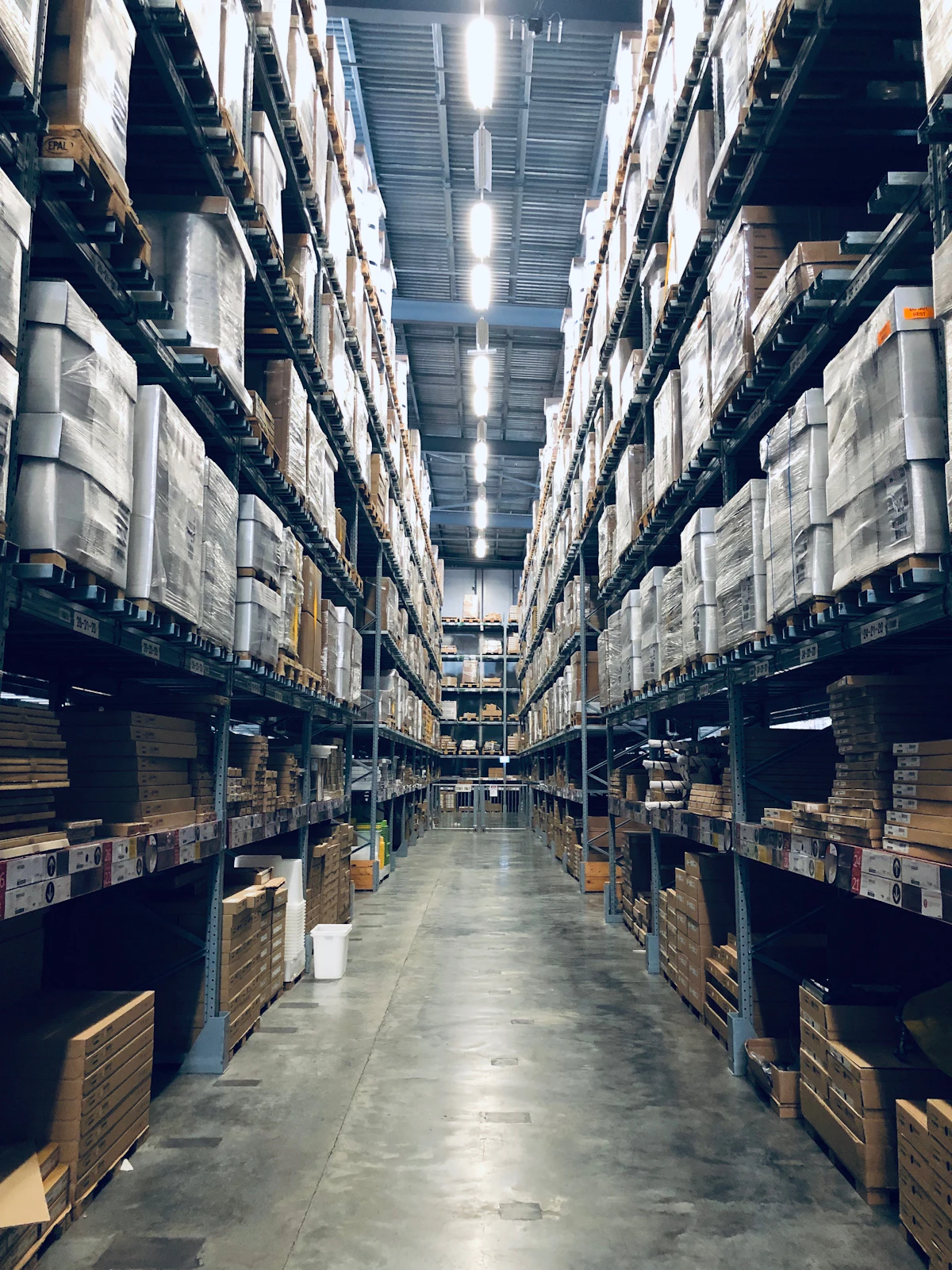
Fig. 1 — Bio-based and recyclable packaging materials are now the baseline expectation, not a premium option. | Photo: Unsplash
Digital Printing: From Niche to New Normal
Digital printing has crossed its inflection point. Over 80% of packaging printers now offer some form of digital printing services, and the technology’s advantages — zero plate costs, ultra-short runs, variable data capability, faster turnarounds — are converting even the most traditional print buyers.
The numbers tell a compelling story: the global digital printing packaging market is valued at approximately USD 21.5 billion in 2026, with a projection to reach USD 56.8 billion by 2035 (CAGR 11.3%). Asia-Pacific leads adoption with a 45.9% market share, driven by China and India’s booming consumer goods sectors. Short-run jobs — under 5,000 units — now account for 40% of all packaging orders globally, a segment where digital printing is unbeatable.
Variable Data Printing (VDP): Personalisation at Scale
One of the most commercially potent applications of digital printing is Variable Data Printing (VDP). Each package can carry a unique name, promotional code, QR link, or regional language — at no additional production cost. Research shows that personalisation increases consumer conversion rates by up to 20%, and 57% of consumers now prefer customised packaging experiences. For brands managing seasonal campaigns or multiple SKUs, VDP is not just desirable — it is essential.
“It used to be, you stood out if you were a sustainability leader, but now it’s kind of the starting point. You have to start there and then innovate.”
Smart Packaging: When the Box Becomes a Data Point
Smart packaging — the integration of NFC chips, RFID tags, QR codes, and augmented reality triggers into packaging — is no longer a gimmick. It is a rapidly maturing revenue channel. According to GlobalData, 50+ companies spanning technology vendors, established packaging firms, and startups are currently developing RFID-integrated packaging. RFID integration is growing at a 14.5% CAGR.
The most recent breakthrough: battery-free autonomous smart packaging that monitors food freshness in real time and releases preservation agents as needed — extending shelf life by up to 14 days. For pharmaceutical and food brands, the implications for cold-chain integrity and anti-counterfeiting are enormous.

Fig. 2 — Smart packaging technologies including NFC chips and QR codes are turning packaging into an interactive brand channel. | Photo: Unsplash
2026 Packaging Trend Comparison: Where the Industry Stands
| Trend Area | Technology / Approach | 2026 Market Signal | Growth Driver | Priority Level |
|---|---|---|---|---|
| Digital Printing | Inkjet, Electrophotography, Hybrid | $21.5B market; 80%+ converters adopting | Short runs, SKU proliferation | 🔴 Critical |
| Sustainable Materials | Bio-based, PCR fibre, Compostable films | 73% consumers pay premium; PPWR enforcement | Regulation + consumer demand | 🔴 Critical |
| Smart Packaging | NFC, RFID, QR, AR, Battery-free sensors | 14.5% CAGR; 50+ RFID companies active | Track & trace, anti-counterfeit | 🟡 High |
| AI & Automation | AI colour management, generative design | AI packaging market: $6.47B by 2034 | Speed, waste reduction, personalisation | 🟡 High |
| Premium Finishing | Soft-touch, cold foil, embossing, spot UV | Luxury pack market growing at 6% CAGR | Unboxing experience, brand equity | 🟢 Moderate |
| Right-sizing & Automation | Automated custom box forming systems | 30% speed gain; shipping “air” elimination | E-commerce efficiency, ESG reporting | 🟢 Moderate |
AI & Automation: The Production Revolution on the Factory Floor
Artificial intelligence is reshaping not just packaging design but the entire manufacturing workflow. AI-driven colour management reduces press setup time by up to 50%. Predictive maintenance algorithms minimise unplanned downtime. Generative design tools allow packaging engineers to prototype new structures in hours, not weeks.
The AI-in-packaging market is forecast to grow from $2.7 billion in 2025 to $6.47 billion by 2034 (CAGR 10.28%). On the production floor, automation in finishing processes is delivering a 30% increase in production speed. Plants integrating LED-UV curing alongside closed-loop chiller systems report energy savings of 5–15% per unit produced.
AI Colour Management
Reduces setup time by up to 50% and cuts ink waste by 25% using Extended Colour Gamut (ECG) printing profiles.
LED-UV Curing
Uses up to 95% less energy than conventional heat ovens, supporting both sustainability targets and operational cost savings.
Right-size Box Automation
Systems that scan order dimensions and build custom-sized boxes in real time, eliminating void fill and reducing transport emissions.
GS1 Digital Link 2D Barcodes
Replacing traditional UPCs, enabling real-time traceability, consumer engagement via smartphones, and supply chain transparency.
Sustainability: From Marketing Promise to Legal Obligation
The packaging industry’s sustainability transformation has entered a new phase in 2026 — one defined by enforcement rather than aspiration. The EU’s PPWR mandates recyclable-by-design packaging, restricts unnecessary multi-material constructions, and requires producers to absorb Extended Producer Responsibility (EPR) fees proportional to their packaging’s recyclability score.
In the United States, seven states have enacted EPR laws, with twelve more actively advancing legislation. For global brands, navigating this patchwork of regulations while maintaining premium aesthetics and cost targets is the defining operational challenge of the decade.
💡 Industry Insight: Water-based inks will account for 45% of total ink volume in flexography by 2026 (verified data), making them the de facto standard for sustainable production. Brands using bio-based materials derived from agricultural waste, mycelium, and seaweed are reducing their packaging carbon footprint by up to 25% compared to fossil-fuel-based polymers.

Fig. 3 — Modern packaging manufacturing lines increasingly integrate water-based inks and recyclable substrates as standard. | Photo: Unsplash
Regional Market Breakdown: Who Is Leading the Charge?
| Region | Digital Packaging Share | Key Strength | Primary Growth Driver |
|---|---|---|---|
| 🌏 Asia-Pacific | 45.9% (Largest share) | Manufacturing scale, cost-efficiency | E-commerce boom in China & India |
| 🌎 North America | 28% | Technology R&D, early digital adoption | Sustainable regulation, customisation demand |
| 🌍 Europe | Steady growth | Regulatory leadership (PPWR) | Eco-compliance, premium packaging segments |
| 🌐 Middle East & Africa | Moderate growth | Urbanisation, retail sector expansion | Rising demand for quality consumer packaging |
| 🌎 Latin America | Emerging | Cost-effective digital adoption | Brazil & Mexico FMCG sector growth |
What This Means for Packaging Manufacturers & Print Buyers
The message from the data is clear: the gap between industry leaders and laggards is widening. Manufacturers who have invested in digital printing capability, automated finishing lines, and sustainable material workflows are winning more contracts, commanding better margins, and building resilient supply chains. Those relying solely on offset or conventional methods are facing margin compression and customer attrition.
For print buyers and brand owners, the imperative is to work with machinery and manufacturing partners who understand the full spectrum — from rigid box construction and premium finishing to paper bag production and book binding — all aligned with 2026’s twin demands of efficiency and sustainability.
📊 Key Takeaway: Hybrid printing presses combining flexo and digital are growing at 12% annually. Direct-to-shape digital printing is projected to grow at 18% CAGR. Automation in finishing processes increases production speed by 30%. These numbers represent real, measurable competitive advantage — not just industry buzz.
Further Reading & Industry Resources
For packaging professionals seeking deeper market intelligence and technical guidance, these authoritative sources provide up-to-date research:
- 📄 GlobalVision: The Future of Print and Packaging in 2026 — Comprehensive analysis of smart packaging and sustainability trends.
- 📊 PRINTING United Alliance: Packaging Outlook 2026 — Insights from leading North American converters and brand owners.
- 🌱 Creative Retail Packaging: Top Packaging Trends for 2026 — From NFC to soy-based inks, a practical overview for retail brands.
- 📦 Packaging Dive — Leading industry news and market analysis platform.
- 🔬 Towards Packaging: AI in Packaging Market 2026–2034 — Detailed market sizing and forecast for AI-driven packaging solutions.
Ready to Future-Proof Your Packaging Production?
Kylin Machine manufactures precision packaging machinery — rigid box makers, case makers, paper bag machines, and premium finishing equipment — built for the efficiency and quality demands of 2026 and beyond. Factory-direct pricing, 3-year warranty, and global support in 30+ countries.
🏭 Explore Kylin Packaging Machines →

Leave a Reply