


Book Cover Machine Buying Guide 2026: How to Match Setup Time, Glue System, and Power Planning to Hardcover Production
If you are planning to buy a book cover machine in 2026, the biggest risk is not choosing a machine that is too slow. The bigger risk is buying a machine that looks fast on paper but performs poorly in your real hardcover workflow. In many binderies and premium print shops, output loss comes from repeated setup, unstable glue behavior, and factory utility limits that were never checked before the order was placed.
That is why experienced buyers compare more than maximum speed. They ask how long a size change really takes, whether the glue system stays stable across different cover materials, and whether the machine fits the available power supply, footprint, and downstream process. This buying guide focuses on those practical questions so you can choose a book cover machine that works on your floor, not only in a brochure.
Why These Three Buying Factors Matter More Than Catalog Speed
Hardcover production is a chain. The case must be made cleanly, passed forward without damage, and matched to the book block later in casing-in. If setup takes too long, if glue causes wrinkles or edge lift, or if the machine requires utilities your plant does not have, the whole line loses efficiency. That is why setup time, glue system, and power planning are often better buying filters than headline hourly output.
The same machine can feel profitable in one factory and frustrating in another. A digital print finisher producing many short runs needs quick recovery between jobs. A larger bindery with stable formats may care more about repeatability and labor reduction. Your decision should follow the production mix, not the sales pitch.
1. Setup Time Is a Cost Variable, Not a Convenience Feature
Many buyers still treat setup as a minor detail. In reality, it is one of the fastest ways to lose daily capacity. If your plant switches between notebooks, photobooks, yearbooks, and presentation covers, each adjustment affects labor time, waste sheets, and delivery rhythm. A machine that needs repeated manual correction after every format change can destroy the value of its theoretical top speed.
Ask suppliers for a real format-change demonstration, not a generic promise. You want to know how guides are adjusted, whether settings can be recalled, how much trial material is consumed, and how many operators are involved. For short-run or mixed-format hardcover work, the practical goal is stable restart speed after changeover, not only maximum output during the easiest job.
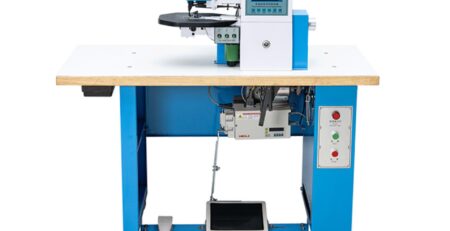
For buyers who need a compact entry point, the Kylin Hard Cover Making Machine is often the more practical path because it supports common hardcover formats with a lower installation barrier. If your order profile is larger, more repetitive, and more quality-sensitive, the Automatic Case Maker gives stronger repeatability and higher throughput.
2. The Glue System Shapes Quality, Maintenance, and Daily Waste
Glue choice is not a side issue. It affects surface flatness, drying behavior, corner quality, and how much cleaning time the team faces at the end of the shift. Competitor content often highlights speed or positioning accuracy, but several serious machine guides also stress glue stability and cleaning time because those factors decide whether the machine stays productive in real use.
When comparing a book cover machine, ask four direct questions. Can it support hot glue, cold glue, or both? How easy is the glue unit to clean between jobs? How stable is the coating on coated paper, cloth, and laminated stock? And how much operator attention is needed to keep adhesive behavior consistent through the shift? A machine that saves five minutes on setup but adds thirty minutes of glue cleaning is not really efficient.
If you make premium covers, albums, or branded notebooks, glue consistency matters because defects appear later as bubbles, edge lift, or poor hinge formation. That is also why buyers planning a complete line often review the next station at the same time, especially the Book Casing-In Machine, so the finished case transfers smoothly into final assembly.
3. Power Planning and Factory Utilities Decide Installation Success
Another common buying mistake is treating power supply as a line-item detail to solve later. In practice, utilities shape where the machine can be installed, how much floor space remains for material flow, and whether production can start without costly changes to the workshop. A compact 220V solution may be the right answer for a smaller bindery, while a 380V industrial machine may be the right answer for a plant that wants higher speed and tighter control.
Before you request a final quotation, confirm voltage, phase, power load, compressed air needs, and usable floor area. Buyers should also review operator access around the feeder, glue section, and discharge area. Installation problems rarely come from one missing number. They come from the combination of power, layout, and workflow being reviewed too late.
If your current bottleneck is not only case making but full hardcover balance, it also makes sense to check upstream and downstream support such as the Book Spine Taping Machine before finalizing the budget. That helps you avoid moving one bottleneck while creating another.
Parameter Table: Two Typical Buying Paths
| Parameter | Hard Cover Making Machine | Automatic Case Maker |
|---|---|---|
| Best fit | Short-run and mixed-format hardcover work | Higher-volume hardcover and premium case production |
| Output reference | About 180-360 pcs/hour | Up to 1,200 pcs/hour |
| Finished size range | 140 x 140 mm to 700 x 450 mm | Up to 450 x 850 mm |
| Board thickness | 1.5-4 mm | 1-4 mm |
| Cover material signal | Common hardcover wraps with hot or cold glue support | Art paper, cloth, PVC, leather, laminate |
| Positioning signal | Practical for standard hardcover work | CCD visual positioning up to +/-0.1 mm |
| Power planning | 220V single-phase | 380V three-phase |
| Buying logic | Flexible entry with lower installation barrier | Industrial productivity with tighter control |
How To Decide Which Direction Fits Your Plant
Choose a compact hard cover making route if:
- You run frequent size changes and mixed hardcover products.
- You need a lower power threshold and easier installation.
- You want a practical machine before investing in a fully industrial line.
Choose an automatic case maker route if:
- You need higher output and lower labor dependence.
- You sell premium covers where alignment consistency is critical.
- You already have the utilities and layout for a more industrial setup.
Buyer Checklist Before Sending Samples
- Your common and maximum finished cover sizes
- Board thickness range and cover material mix
- Preferred glue type and cleaning expectations
- Daily order profile: long runs or high-mix short runs
- Available voltage, phase, air supply, and floor space
- Whether casing-in and spine preparation are also being upgraded
If you send this information early, the supplier can recommend a more realistic configuration and reduce the risk of underbuying or overspecifying the machine.
FAQ
What is the most overlooked factor when buying a book cover machine?
Setup recovery after a format change is often overlooked. Real productivity depends on how quickly the machine reaches stable output again, not only on maximum speed during one repeat job.
Why does glue system choice matter so much?
Glue affects flatness, corner quality, cleaning time, and reject rate. A stable glue system improves both appearance and workflow discipline in hardcover production.
Is 220V enough for commercial hardcover work?
Yes, for many small and medium factories. A compact machine can be the better business choice when product mix is broad and installation simplicity matters more than maximum capacity.
When should I move to an automatic case maker?
Move when repeat volume is rising, labor reduction becomes urgent, and your customers expect tighter consistency on every cover. That is when higher automation usually pays back faster.
Need help choosing the right book cover machine for your formats, glue process, and factory utilities? Kylin Machines can recommend a suitable configuration based on your samples and daily output target. Contact us on WhatsApp +86-13809820550 or review the Hard Cover Making Machine, Automatic Case Maker, Book Casing-In Machine, and Book Spine Taping Machine.

Leave a Reply