
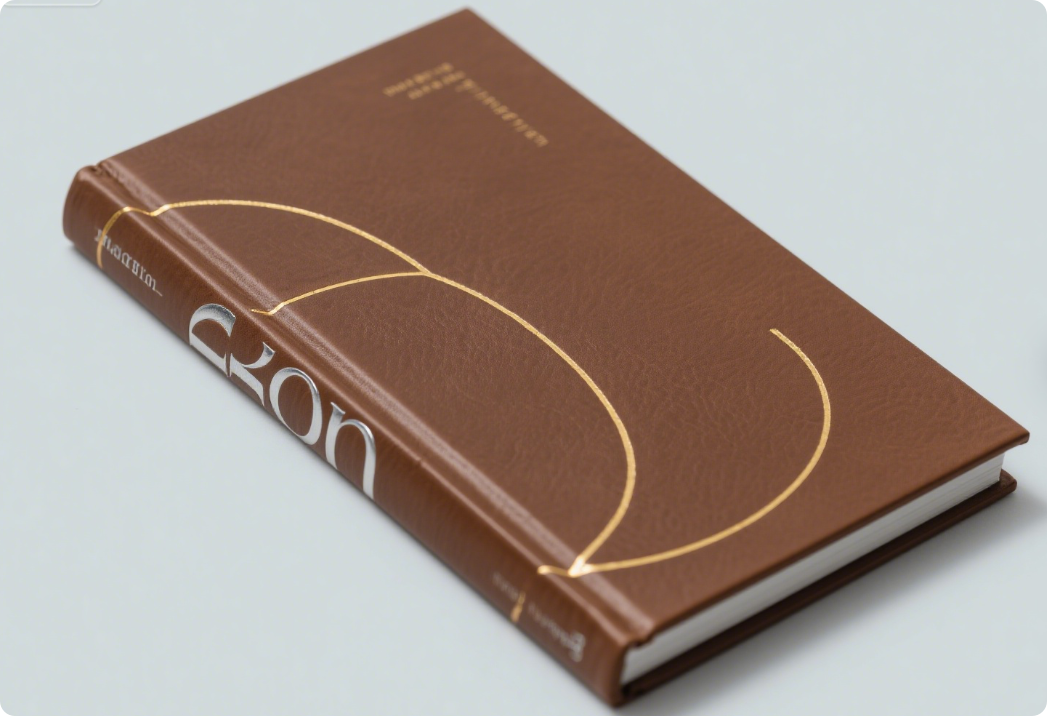
Are Hard Cover Making Machines the Secret to Transforming Your Bookbinding Business?
Your bookbinding business struggles with manual processes that eat up time and money. You watch competitors deliver faster while your team works overtime on every hardcover project.
Hard cover making machines can increase your production speed by 300-600% while reducing labor costs and improving quality consistency. These automated systems handle gluing, board placement, and edge folding with precision that manual methods simply cannot match. 1

I remember when I first saw a hard cover making machine in action at our Kylin factory. The precision and speed left me amazed. That moment changed how I viewed bookbinding automation forever.
What Makes Hard Cover Making Machines Essential for Modern Bookbinding?
Your manual bookbinding process limits growth potential. Every hardcover book requires multiple skilled workers and hours of careful hand work.
Modern hard cover making machines automate gluing, board spotting, and edge folding processes, enabling single-operator production of 500-600 covers per hour compared to 20-30 covers manually. 1 2

The Technology Behind Modern Hard Cover Making
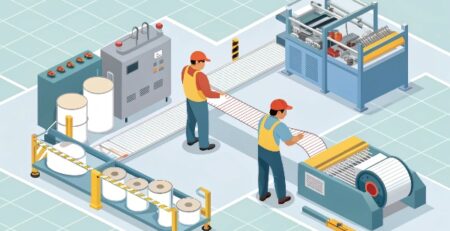
Today’s case making machines use advanced automation systems. These machines feature pneumatic pressing systems, digital touch panels, and precision glue application systems. The operator simply feeds cover material into the gluing unit where it receives even coating of hot gelatin glue. 1
Automatic board placement happens through suction bars that position chipboard pieces accurately on cover material. The turning-in process completes in just two passes, with brushes and pressing rollers ensuring perfect edge folding. 1
| Process Step | Manual Method | Automated Method | Time Savings |
|---|---|---|---|
| Glue Application | 3-5 minutes | 30 seconds | 80-90% |
| Board Placement | 2-3 minutes | 15 seconds | 90-95% |
| Edge Folding | 5-8 minutes | 45 seconds | 85-90% |
| Quality Check | 2 minutes | Automatic | 100% |
The changeover time between different formats takes only 2-5 minutes on modern machines, compared to 30-60 minutes for manual setup changes. 3 This flexibility allows you to handle diverse client demands efficiently.
How Do Hard Cover Making Machines Impact Your Production Costs?
Your current labor costs consume 60-70% of hardcover production expenses. Manual processes require skilled workers who command higher wages and work slower.
Automated hard cover making reduces labor requirements by 75% while increasing output by 300-500%, creating immediate cost savings and faster project completion times. 4
Real-World Cost Analysis
Let me share actual numbers from our Kylin machine customers. A typical printing company producing 1000 hardcover books monthly sees these changes:
Before automation, they needed 4 skilled workers spending 8 hours daily on hardcover production. Labor costs reached $2,400 monthly just for wages, plus overhead expenses. Quality inconsistencies led to 8-12% rejection rates, adding material waste costs.
After installing our KY-450 case maker, the same company operates with 1 worker producing the same volume in 3 hours daily. Monthly labor costs dropped to $600, while rejection rates fell below 2%. 0
| Cost Factor | Before Automation | After Automation | Monthly Savings |
|---|---|---|---|
| Labor Costs | $2,400 | $600 | $1,800 |
| Material Waste | $320 | $80 | $240 |
| Overtime Pay | $480 | $0 | $480 |
| Quality Issues | $200 | $40 | $160 |
| Total Savings | $2,680 |
The machine investment pays for itself within 12-18 months through these cost reductions. Additional benefits include faster delivery times, consistent quality, and ability to accept larger orders.
Which Hard Cover Making Machine Types Best Suit Different Business Sizes?
Your business size determines the optimal machine type. Small operations need different solutions than large-scale publishers.
Semi-automatic machines suit small to medium businesses with 100-500 monthly hardcovers, while fully automatic systems serve large operations producing 1000+ units monthly. 4 3
Machine Categories and Applications
Semi-automatic case making machines work perfectly for digital printing shops and small publishers. These machines require operator involvement for case placement but automate gluing and pressing processes. They cost $25,000-$50,000 and handle format changes easily. 3
Fully automatic systems like our KY-500 series suit large-scale operations. These machines handle everything from board feeding to final delivery automatically. Investment ranges from $80,000-$140,000 but delivers maximum efficiency for high-volume production. 3
Specialty machines focus on specific applications. Round corner cutting machines create professional rounded edges, while spine forming equipment handles book block preparation. These complement main case making systems.
| Business Type | Recommended Machine | Monthly Capacity | Investment Range |
|---|---|---|---|
| Small Print Shop | Semi-Auto Case Maker | 100-300 books | $25,000-$40,000 |
| Medium Publisher | Auto Case Making Line | 500-1,500 books | $60,000-$100,000 |
| Large Operation | Full Production Line | 2,000+ books | $120,000-$200,000 |
| Specialty Binding | Modular Systems | Variable | $40,000-$80,000 |
Format flexibility matters significantly. Modern machines handle sizes from 120x60mm to 420x320mm with quick changeover capabilities. 3 This versatility allows you to serve diverse client needs without multiple machine investments.
What Quality Improvements Can You Expect from Automated Hard Cover Making?
Your manual processes create inconsistent results. Human fatigue and skill variations lead to quality fluctuations that damage your reputation.
Automated hard cover making machines deliver 98%+ consistency rates with precise glue application, perfect board alignment, and uniform edge folding that manual methods cannot achieve. 2

Precision Engineering Benefits
Our Kylin machines use advanced positioning systems that eliminate human error. Pneumatic pressing ensures consistent pressure application across all cover areas. Digital controls maintain exact timing for each production step.
Glue application systems distribute adhesive evenly without waste or gaps. This precision prevents cover lifting, edge separation, and other common quality issues. Temperature controls maintain optimal glue viscosity throughout production runs.
Board placement accuracy reaches ±0.5mm tolerance levels, compared to ±2-3mm typical manual placement. This precision creates professional appearance and structural integrity that customers notice immediately.
| Quality Metric | Manual Process | Automated Process | Improvement |
|---|---|---|---|
| Glue Coverage | 85-90% | 98-99% | 10-15% better |
| Board Alignment | ±3mm | ±0.5mm | 6x more precise |
| Edge Consistency | 80-85% | 95-98% | 15-20% better |
| Production Speed | 20-30/hour | 500-600/hour | 20x faster |
Customer satisfaction increases dramatically with consistent quality. Our clients report 40-60% reduction in customer complaints after implementing automated systems. This improvement strengthens client relationships and generates repeat business.
How Do You Choose the Right Hard Cover Making Machine for Your Needs?
Your machine selection determines long-term success. Wrong choices lead to underutilized capacity or production bottlenecks that limit growth.
Evaluate your monthly volume, format requirements, budget constraints, and growth projections to select machines that match current needs while accommodating future expansion. 2
Key Selection Criteria
Production volume drives machine choice primarily. Calculate your current monthly hardcover output and project 2-3 year growth. Choose machines with 150-200% of current capacity to handle growth without immediate replacement needs.
Format flexibility requirements vary by business type. Publishers handling diverse book sizes need machines with wide format ranges and quick changeover capabilities. Specialty operations might prioritize specific features over versatility.
Budget considerations include initial investment, installation costs, training expenses, and ongoing maintenance. Factor in financing options and ROI timelines when making decisions. Our Kylin financing programs help spread costs over manageable periods.
Space requirements affect machine selection significantly. Measure available floor space and consider workflow patterns. Some machines need additional equipment like board cutters or corner rounding machines for complete operations.
| Selection Factor | Weight | Evaluation Questions |
|---|---|---|
| Production Volume | 40% | Current and projected monthly output? |
| Format Range | 25% | Size variations and changeover frequency? |
| Budget Available | 20% | Total investment capacity and financing? |
| Space Constraints | 10% | Available floor space and workflow? |
| Growth Plans | 5% | Expansion timeline and market trends? |
Technical support availability matters long-term. Choose manufacturers offering comprehensive training, spare parts availability, and responsive service. Our Kylin service network provides global support with local technicians in over 20 countries. 0
Conclusion
Hard cover making machines transform bookbinding businesses through automation, quality improvement, and cost reduction that manual processes cannot match.
About Jacob and Kylin Machines
I’m Jacob from Kylin Packaging Machinery Factory, established in 2003 in Dongguan, China. We specialize in post-press equipment including rigid box machines, book cover equipment, and packaging automation systems. Our 5,000 square meter facility serves over 10,000 customers in 30+ countries with advanced robotic spotters and hybrid solutions for the graphic arts industry.



发表回复