
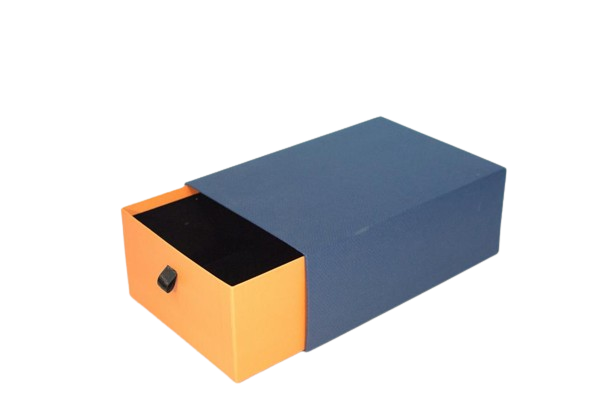
The Evolution of Slipcase Packaging: Transforming Luxury Presentation in the Printing and Packaging Industry 2025
The packaging industry is experiencing a remarkable transformation in 2025, with slipcase packaging emerging as a cornerstone of luxury presentation and premium product protection. As brands increasingly seek sophisticated packaging solutions that combine functionality with aesthetic appeal, the slipcase market has evolved from traditional book protection to encompass a wide range of high-end applications across multiple industries.
Market Overview: The Slipcase Renaissance
The global packaging printing market, valued at USD 402.58 billion in 2024, is projected to reach USD 644.43 billion by 2030, growing at a robust CAGR of 8.04%. Within this expanding market, luxury packaging solutions like slipcases are experiencing unprecedented demand, driven by consumer preferences for premium unboxing experiences and brand differentiation strategies.
The slipcase packaging segment has witnessed significant growth, particularly in the luxury goods, publishing, and electronics sectors. This growth is fueled by the increasing adoption of automated drawer box manufacturing systems that enable efficient production of high-quality slipcase packaging solutions.
Understanding Slipcase Packaging: Definition and Applications
What is a Slipcase?
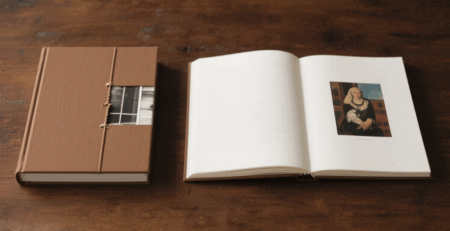
A slipcase is a protective outer covering designed to house books, documents, or other valuable items. Unlike traditional packaging, slipcases feature an open-ended design that allows easy access while providing superior protection against dust, moisture, and physical damage. The construction typically involves rigid cardboard or chipboard materials covered with decorative paper, fabric, or leather.
Key Applications in Modern Markets
Publishing Industry:
- Luxury book collections and limited editions
- Art books and coffee table publications
- Academic and reference materials
- Collector’s editions and box sets
Electronics and Technology:
- Premium device packaging
- Accessory sets and bundles
- Software and media collections
- Corporate presentation materials
Luxury Goods:
- Cosmetics and beauty products
- Jewelry and watches
- Premium stationery sets
- Corporate gifts and awards
Technological Innovations Driving Slipcase Manufacturing
Advanced Production Machinery
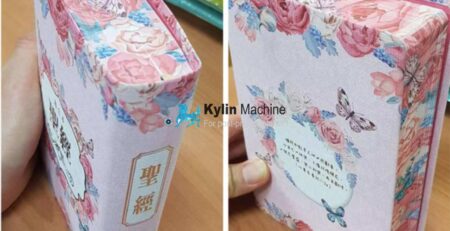
The integration of automatic punching and ribbon threading machines has revolutionized slipcase production, enabling manufacturers to achieve:
- Precision Manufacturing: Automated systems ensure consistent quality and dimensional accuracy
- Increased Efficiency: Production speeds of up to 1,500 units per hour
- Reduced Labor Costs: Minimal manual intervention required
- Enhanced Customization: Flexible systems accommodate various sizes and designs
Digital Printing Advancements
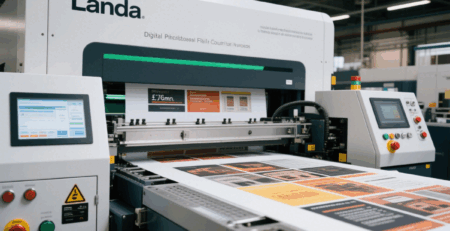
Digital printing technology has transformed slipcase customization capabilities, offering:
- Short-Run Production: Economical production of small quantities
- Variable Data Printing: Personalized packaging solutions
- Rapid Turnaround: Faster production cycles for time-sensitive projects
- Superior Print Quality: Enhanced color accuracy and detail reproduction
Sustainability Trends in Slipcase Manufacturing
Eco-Friendly Materials
The industry’s commitment to sustainability has led to the adoption of environmentally responsible materials:
Recycled Content:
- Post-consumer recycled cardboard and chipboard
- Sustainable adhesives and binding materials
- Water-based inks and coatings
- FSC-certified paper and board materials
Biodegradable Options:
- Plant-based coating alternatives
- Compostable lamination materials
- Natural fiber reinforcements
- Renewable resource-based substrates
Green Manufacturing Processes
Modern drawer box production equipment incorporates sustainable manufacturing practices:
- Energy-efficient motor systems
- Waste reduction through precision cutting
- Closed-loop material handling
- Reduced chemical usage in production
Design Trends Shaping the Slipcase Market
Luxury Aesthetics and Premium Finishes
The 2025 slipcase market is characterized by sophisticated design elements that enhance perceived value:
Textural Enhancements:
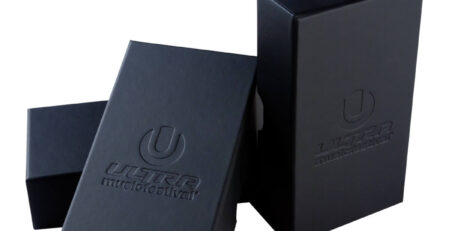
- Embossed and debossed patterns
- Soft-touch matte finishes
- Linen and fabric textures
- Metallic foil applications
Color and Visual Appeal:
- Curated color palettes inspired by gallery aesthetics
- Gradient and ombre effects
- Minimalist design approaches
- Custom artwork integration
Functional Design Innovations
Modern slipcase designs prioritize both form and function:
Enhanced Protection Features:
- Moisture-resistant coatings
- Anti-static materials for electronics
- Cushioned interior linings
- Magnetic closure systems
User Experience Improvements:
- Ergonomic handling features
- Easy-access opening mechanisms
- Stackable design configurations
- Reusable and collectible formats
Manufacturing Process Comparison: Traditional vs. Automated Systems
| Aspect | Traditional Methods | Automated Production Systems |
|---|---|---|
| Production Speed | 100-200 units/hour | 800-1,500 units/hour |
| Setup Time | 3-6 hours | 30-60 minutes |
| Material Waste | 10-15% | 3-5% |
| Quality Consistency | Variable | 99.8%+ accuracy |
| Labor Requirements | 6-8 operators | 2-3 operators |
| Customization Flexibility | Limited | Extensive |
| Energy Consumption | High | 50% reduction |
| Production Cost per Unit | Higher | 30-40% lower |
Market Segmentation and Growth Opportunities
Regional Market Analysis
North America:
- Strong demand for luxury packaging solutions
- Advanced adoption of automated manufacturing equipment
- Focus on sustainable packaging practices
- Growing e-commerce packaging requirements
Europe:
- Leadership in premium packaging design
- Strict environmental regulations driving innovation
- High-quality craftsmanship standards
- Strong luxury goods market presence
Asia-Pacific:
- Rapid market expansion and industrialization
- Increasing middle-class consumer base
- Growing electronics and technology sectors
- Investment in modern production facilities
Industry Vertical Growth
Publishing Sector:
- 12% annual growth in luxury book packaging
- Increasing demand for collector’s editions
- Digital-to-physical product transitions
- Educational material premium packaging
Electronics Industry:
- 18% growth in premium device packaging
- Sustainability requirements driving innovation
- Unboxing experience importance
- Brand differentiation through packaging
Luxury Goods:
- 15% annual market expansion
- Premium presentation requirements
- Gift packaging applications
- Brand value enhancement through packaging
Challenges and Solutions in Slipcase Manufacturing
Current Industry Challenges
Material Cost Fluctuations:
- Raw material price volatility
- Supply chain disruptions
- Quality consistency issues
- Sustainable material availability
Production Complexity:
- Multi-step manufacturing processes
- Quality control requirements
- Customization demands
- Skilled labor shortages
Market Competition:
- Price pressure from competitors
- Rapid technology changes
- Customer expectation increases
- Regulatory compliance requirements
Innovative Solutions
Advanced Manufacturing Technology:
- Implementation of ribbon threading automation
- Integrated quality control systems
- Predictive maintenance capabilities
- Real-time production monitoring
Supply Chain Optimization:
- Strategic supplier partnerships
- Inventory management systems
- Alternative material sourcing
- Local production capabilities
Technology Integration:
- IoT-enabled production equipment
- Data analytics for process optimization
- Automated workflow management
- Digital twin manufacturing models
Future Outlook: The Next Decade of Slipcase Innovation
Emerging Technologies
Smart Packaging Integration:
- NFC and RFID technology incorporation
- Interactive packaging experiences
- Authentication and anti-counterfeiting features
- Consumer engagement platforms
Advanced Materials:
- Nano-enhanced protective coatings
- Self-healing material technologies
- Biodegradable high-performance options
- Smart material applications
Production Automation:
- Fully automated slipcase manufacturing lines
- AI-driven quality control systems
- Robotic material handling
- Predictive production scheduling
Market Projections
Industry analysts project significant growth in the slipcase packaging market:
- 20-25% annual growth in automated production equipment
- 30% increase in sustainable material adoption
- 40% improvement in production efficiency by 2030
- 50% reduction in manufacturing waste
Best Practices for Slipcase Manufacturing Excellence
Quality Management Systems
Material Selection:
- Rigorous supplier qualification processes
- Comprehensive material testing protocols
- Sustainable sourcing requirements
- Performance specification compliance
Production Control:
- Implementation of advanced punching and threading systems
- Statistical process control methods
- Real-time quality monitoring
- Continuous improvement programs
Quality Assurance:
- Comprehensive testing procedures
- Customer specification compliance
- Traceability systems
- Corrective action protocols
Operational Excellence
Efficiency Optimization:
- Lean manufacturing principles
- Waste reduction initiatives
- Energy efficiency programs
- Production scheduling optimization
Technology Adoption:
- Investment in modern automated equipment
- Digital workflow integration
- Data-driven decision making
- Continuous technology upgrades
Workforce Development:
- Comprehensive training programs
- Cross-functional skill development
- Safety and quality culture
- Innovation encouragement
Customization and Personalization Trends
Design Flexibility
Modern slipcase manufacturing offers unprecedented customization options:
Structural Variations:
- Multiple opening mechanisms
- Various closure systems
- Integrated compartments
- Modular design concepts
Aesthetic Customization:
- Unlimited color options
- Custom artwork integration
- Brand-specific design elements
- Seasonal and limited edition variants
Functional Enhancements:
- Protective feature integration
- User convenience improvements
- Sustainability feature additions
- Technology integration capabilities
Market Applications
The versatility of modern slipcase production systems enables diverse applications:
Corporate Applications:
- Executive presentation materials
- Annual report packaging
- Corporate gift solutions
- Brand merchandise packaging
Retail Applications:
- Premium product packaging
- Seasonal collection presentations
- Limited edition releases
- Gift packaging solutions
Educational Applications:
- Textbook and reference material protection
- Academic publication packaging
- Educational kit presentations
- Institutional branding applications
Conclusion: Embracing the Future of Slipcase Packaging
The slipcase packaging industry stands at the forefront of innovation, driven by technological advancement, sustainability imperatives, and evolving consumer expectations. As manufacturers embrace automated production technologies and sustainable practices, the industry is poised for unprecedented growth and transformation.
The integration of advanced manufacturing systems, digital printing capabilities, and smart packaging technologies represents a paradigm shift toward more efficient, sustainable, and customer-centric production methods. Companies that invest in modern slipcase manufacturing capabilities today will be best positioned to capitalize on the expanding market opportunities of tomorrow.
As we look toward 2025 and beyond, the slipcase packaging industry’s commitment to innovation, quality, and sustainability will continue to drive growth and create value for manufacturers, brands, and consumers worldwide. The future of slipcase packaging is bright, sustainable, and filled with possibilities for those ready to embrace change and innovation.
For more information about advanced slipcase manufacturing solutions, explore our automatic drawer box punching and ribbon threading machines to discover how cutting-edge technology can transform your production capabilities and enhance your competitive advantage in the luxury packaging market.




发表回复