
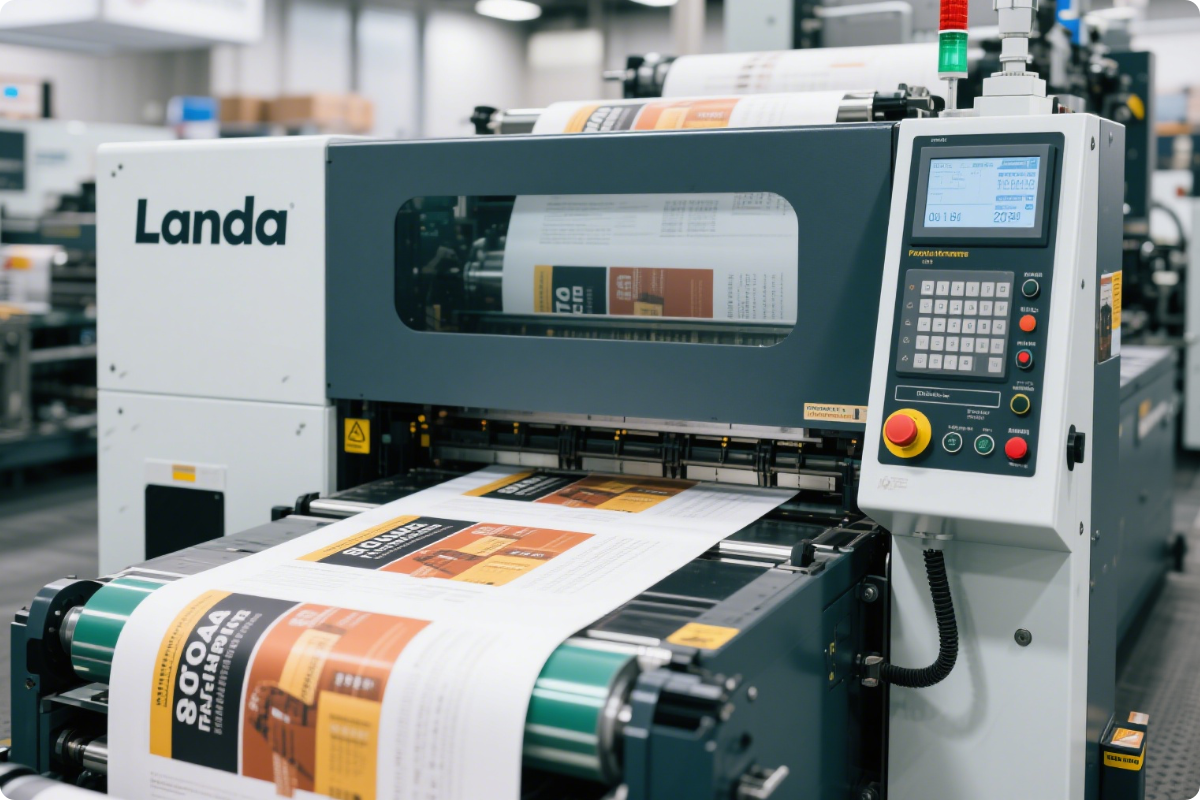
The Future of Packaging Printing: Top Trends Reshaping the Industry in 2025

The global packaging printing industry is experiencing an unprecedented transformation in 2025, with revolutionary trends that are reshaping how businesses approach packaging solutions. As the industry reaches a projected value of $960 billion, three major forces are driving this evolution: sustainability imperatives, automation revolution, and digital transformation.
Sustainability: The Driving Force Behind Industry Innovation
The Green Revolution in Packaging
Sustainability has emerged as the most critical trend in packaging printing for 2025, with 85% of consumers now prioritizing products with sustainable packaging. This shift is fundamentally changing how manufacturers approach their production processes, from material selection to end-of-life considerations.
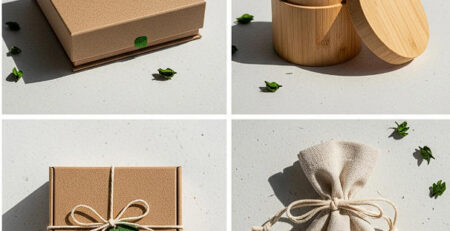
Biodegradable and Recyclable Materials
The industry is witnessing a massive shift toward biodegradable packaging materials that break down naturally, reducing environmental impact. Companies like Unilever and Nestlé have committed to making all packaging recyclable or reusable by 2025, setting new industry standards.
Paper Bag Machine Innovation
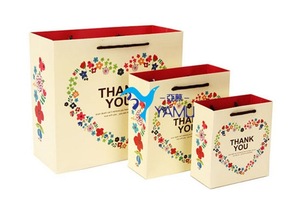
The demand for eco-friendly alternatives has significantly boosted the paper bag machine market. Modern paper bag machines are now incorporating advanced automation features, producing high-quality, customizable paper bags that serve as sustainable alternatives to plastic packaging. These machines utilize renewable resources such as industrial hemp and recycled materials, offering superior tear resistance and tensile strength compared to traditional wood pulp.
Chemical Recovery and Waste Reduction
Innovative chemical recovery systems are revolutionizing waste management in packaging printing facilities. These systems can reduce hazardous waste by up to 80% while generating cost savings through solvent and chemical reuse. Some larger facilities are even converting unrecyclable materials into energy, creating self-sufficient production environments.
Automation and Digital Transformation: The New Production Paradigm
The Rise of Smart Manufacturing
Automation is fundamentally changing production floors across the packaging printing industry. With supply chain pressures and labor shortages, automated systems have become critical for maintaining competitive advantage.
Rigid Box Machine Automation
Modern rigid box machines are incorporating advanced automation technologies that optimize production efficiency while maintaining premium quality standards. These automated systems enable manufacturers to produce luxury packaging with consistent precision, meeting the growing demand for premium presentation in sectors like cosmetics, electronics, and luxury goods.
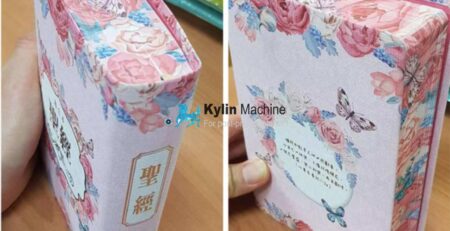
Hard Cover Machine Integration
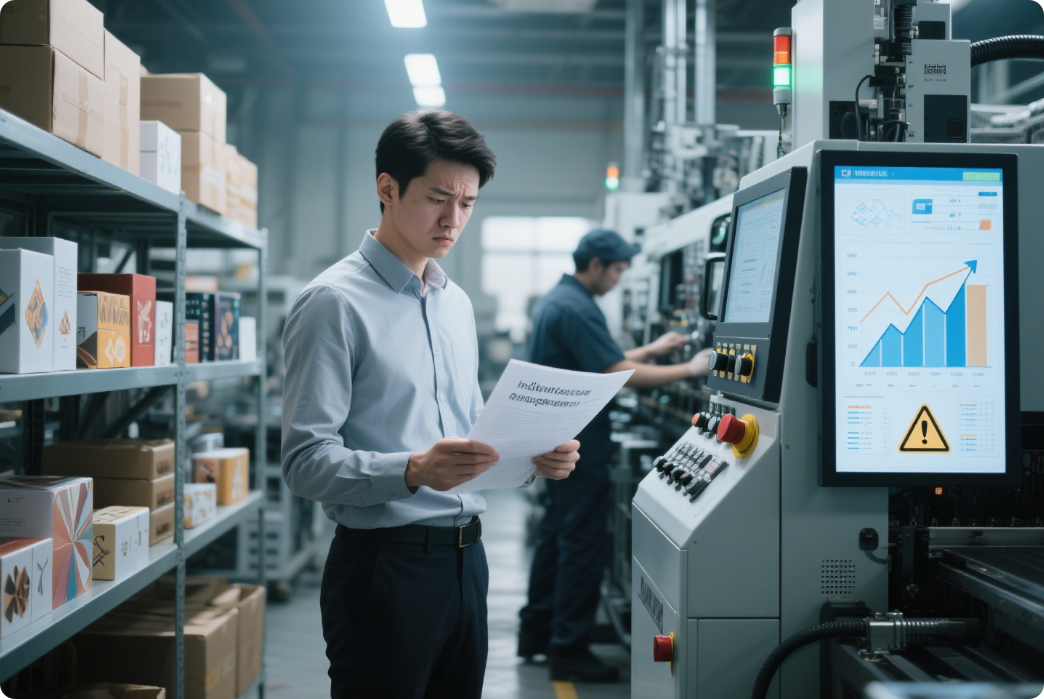
The evolution of hard cover machines demonstrates the industry’s commitment to automation. These sophisticated systems now feature AI-driven quality control, predictive maintenance capabilities, and seamless integration with digital workflow management systems. Companies utilizing advanced planning and scheduling report a 20% improvement in overall equipment effectiveness (OEE).
Digital Printing Revolution
Digital printing technology is experiencing revolutionary uptake in the packaging industry, enabling customized packaging at scale. Unlike traditional methods such as offset lithography and flexography, digital printing uses inkjet technology to apply ink droplets directly to packaging materials, eliminating the need for plates or screens.
Benefits of Digital Integration:
- Superior color control and enhanced print quality
- Ability to print on broader range of substrates
- Reduced waste generation
- Variable data printing capabilities
- Cost-effective short-run production
Advanced Decoration Technologies
Hot Stamping Machine Evolution
Hot stamping machines are experiencing significant technological advancement in 2025, particularly in their application to rigid plastic parts and premium packaging solutions. These machines now offer:
- Enhanced Precision: Ultra-precise, crisp, and legible prints for date codes, lot numbers, and branding
- Versatile Applications: Capability to work with automotive parts, home appliances, and luxury packaging
- Digital Integration: Semi-automatic and fully automatic systems with digital controls
- Specialty Effects: Inline cold foil stamping and hot foil stamping for premium finishes

Smart Packaging Technologies
The integration of smart features is transforming traditional packaging into interactive platforms:
RFID and Smart Labels
- Real-time tracking capabilities
- Enhanced authentication processes
- Consumer interaction opportunities
- Supply chain transparency
Nanotechnology Integration
- Microscopic security measures
- Counterfeit prevention for high-value products
- Enhanced barrier properties
- Extended shelf life capabilities
Market Growth and Investment Trends
Global Market Expansion
The packaging printing market is experiencing robust growth, with the sector projected to reach $644.43 billion by 2030, representing a CAGR of 8.04%. This growth is driven by:
- Surging demand in packaging, textiles, and promotional materials
- Strategic investments in R&D for sustainable technologies
- Industry consolidation through mergers and acquisitions
- Expansion of e-commerce and food delivery services
Regional Market Dynamics
North America and Europe: Leading markets with strong focus on advanced packaging solutions and automation
Asia-Pacific: Fastest-growing region driven by manufacturing expansion and sustainability adoption
Emerging Markets: Increasing investment in modern packaging infrastructure
Industry Applications and Use Cases
Food and Beverage Sector
The food and beverage industry represents the largest application segment for packaging printing machinery. Key trends include:
- Eco-friendly packaging for groceries and takeaway orders
- Customizable solutions for bakery products
- Enhanced barrier properties for product preservation
- Smart packaging for freshness monitoring
Pharmaceutical and Healthcare
The pharmaceutical sector is driving demand for:
- Tamper-evident packaging solutions
- Track-and-trace capabilities
- Patient-friendly designs for accessibility
- Sustainable prescription packaging
Luxury Goods and Cosmetics
Premium packaging requirements include:
- High-end rigid box solutions
- Sophisticated decoration techniques
- Brand differentiation through packaging
- Sustainable luxury positioning
Technology Integration and Workflow Optimization
AI and Machine Learning
Artificial intelligence is revolutionizing packaging printing through:
- Predictive maintenance systems
- Quality control automation
- Production optimization algorithms
- Real-time performance monitoring
IoT and Industry 4.0
Internet of Things integration enables:
- Connected production environments
- Real-time data analytics
- Remote monitoring capabilities
- Predictive maintenance scheduling
Future Outlook and Recommendations
Strategic Considerations for 2025
To remain competitive in the evolving packaging printing landscape, companies should:
- Invest in Sustainable Technologies: Prioritize eco-friendly materials and processes
- Embrace Automation: Implement advanced machinery for improved efficiency
- Adopt Digital Solutions: Integrate digital printing and smart packaging technologies
- Focus on Customization: Develop capabilities for personalized packaging solutions
- Strengthen Supply Chains: Build resilient, sustainable supply networks
Equipment Investment Priorities
Manufacturers should prioritize investments in:
- Advanced Rigid Box Machines: For premium packaging applications
- Automated Paper Bag Machines: To meet sustainable packaging demand
- Digital Hot Stamping Machines: For enhanced decoration capabilities
- Smart Hard Cover Machines: For book publishing and luxury applications
Conclusion
The packaging printing industry in 2025 is characterized by unprecedented innovation driven by sustainability imperatives, automation advancement, and digital transformation. Companies that successfully integrate these trends—from sustainable paper bag machine operations to advanced rigid box machine automation, from digital hot stamping machine capabilities to smart hard cover machine systems—will position themselves for long-term success in this dynamic market.
As the industry continues to evolve, the convergence of environmental responsibility, technological innovation, and consumer demand for premium experiences will define the leaders of tomorrow. The future belongs to those who can seamlessly blend sustainability with cutting-edge technology, creating packaging solutions that not only protect products but also protect our planet.
For more information about advanced packaging printing machinery and solutions, visit www.postpressmachines.com and www.kylinmachines.com



发表回复