
What is an Eyewear Box Machine and Why Does Your Business Need One?
Your customers judge your eyewear before they even try it on. The box creates that crucial first impression that can make or break a sale.
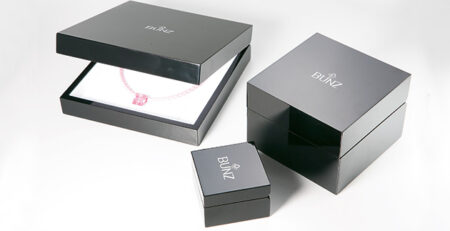
An eyewear box machine is specialized packaging equipment that creates custom rigid boxes specifically designed for glasses, sunglasses, and optical accessories. These machines produce durable, attractive boxes that protect delicate eyewear while enhancing brand presentation and customer experience.
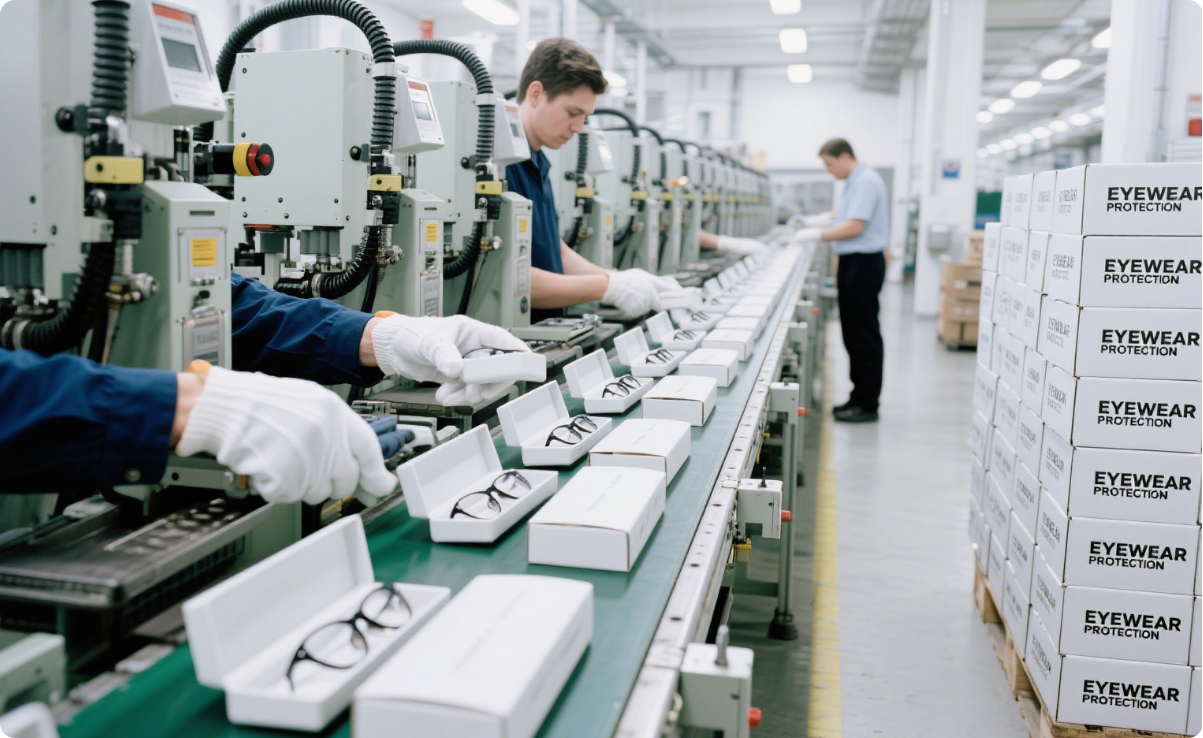
I’ve been in the packaging machinery business for over two decades, and I’ve seen how the right box can transform an eyewear brand. When you invest in quality packaging equipment, you’re not just buying a machine – you’re investing in your brand’s future.
What is a Box Making Machine?
Your packaging line determines your production capacity. Without the right equipment, you’re limiting your business growth potential.
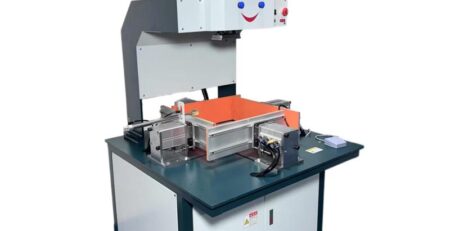
A box making machine is automated equipment that cuts, folds, glues, and assembles cardboard or paperboard into finished boxes. These machines handle everything from material feeding to final box formation, ensuring consistent quality and high-speed production for commercial packaging operations.

At Kylin Machines, we’ve manufactured over 60 sets of packaging machines monthly for more than 20 years. Our rigid box machines serve customers across 20+ countries, from small printing studios to large packaging groups.
Box making machines come in several types. Manual machines require operator intervention for each step. Semi-automatic machines handle some processes automatically while requiring manual feeding or removal. Fully automatic machines complete the entire box-making process with minimal human intervention.
The core components include material feeding systems, cutting mechanisms, folding units, gluing stations, and pressing sections. Modern machines incorporate servo motors for precise control, touch-screen interfaces for easy operation, and quality control sensors for consistent output.
Production speeds vary significantly. Entry-level machines produce 10-20 boxes per minute. Industrial-grade equipment like our automatic box making machines can produce 40-60 boxes per minute. The choice depends on your volume requirements and budget constraints.
Material compatibility is crucial. Most machines handle various paperboard weights, from 250gsm to 2000gsm. Some specialized units work with luxury materials like textured papers, foil-stamped boards, or laminated substrates for premium packaging applications.
How to Keep Spectacles in a Box?
Improper storage damages expensive eyewear. Your customers expect their glasses to arrive in perfect condition, and the box design plays a critical role.
Store spectacles in boxes by placing them in protective foam inserts or molded compartments that prevent movement, keep lenses separated from frames, and provide cushioning against impacts. The box should be sized appropriately to avoid excess space while allowing easy removal.
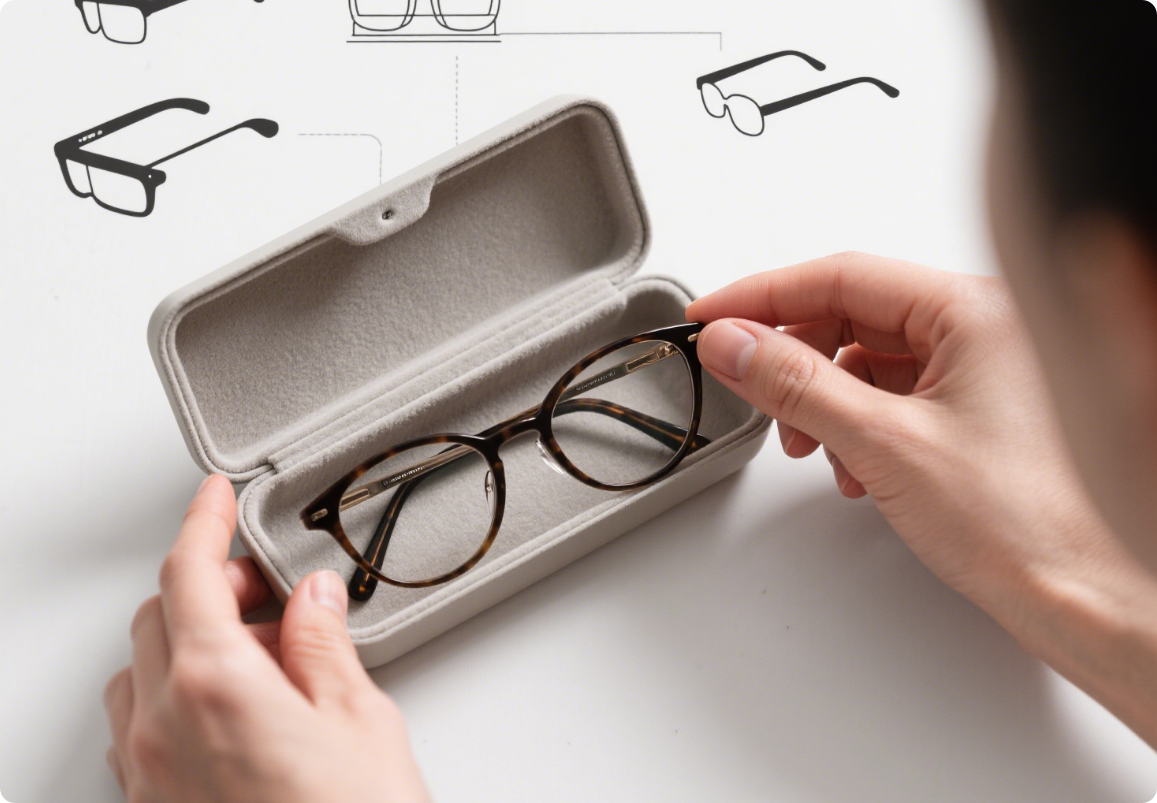
I remember working with a luxury eyewear brand that was losing customers due to damaged products during shipping. We designed a custom collapsible box machine solution that created perfectly fitted boxes with integrated foam inserts.
The key elements include proper sizing, protective materials, and secure closure systems. The box interior should have dedicated spaces for frames, lenses, and accessories. Foam inserts prevent scratching and movement during transport.
Material selection matters significantly. Soft foam protects delicate surfaces. Rigid dividers separate multiple pairs. Microfiber lining adds luxury appeal while providing additional protection. The box exterior should resist moisture and crushing forces.
Closure mechanisms ensure security. Magnetic closures provide premium feel and easy access. Traditional fold-over designs offer cost-effective solutions. Ribbon pulls add elegance while facilitating opening. The closure should be intuitive yet secure enough to prevent accidental opening.
Customization options include branded inserts, custom foam cutting, and specialized compartments for accessories like cleaning cloths, cases, or documentation. Our book cover machines can be adapted for creating sophisticated eyewear packaging with book-style opening mechanisms.
What are Eyeglass Cases Made of?
Material choice affects durability, cost, and customer perception. The wrong material can damage expensive eyewear or create a cheap impression.
Eyeglass cases are typically made from rigid cardboard, plastic, metal, leather, or fabric materials. Premium cases use multi-layer construction with outer decorative materials, inner protective linings, and structural reinforcement to provide maximum protection while maintaining aesthetic appeal.
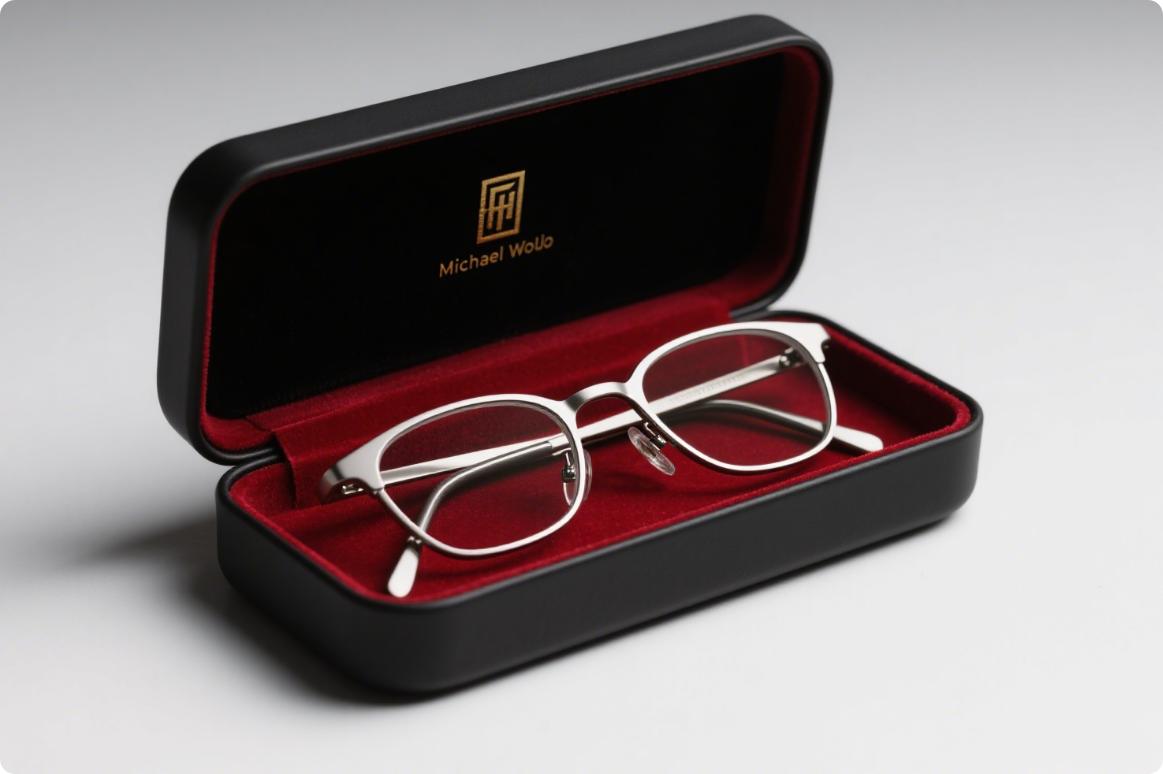
Our round box machines create cylindrical cases perfect for vintage or specialty eyewear styles. The material selection process involves balancing protection, aesthetics, and cost considerations.
Cardboard cases dominate the market due to cost-effectiveness and customization options. Single-wall cardboard works for basic protection. Double-wall construction provides enhanced durability. Corrugated materials offer superior crush resistance for shipping applications.
Plastic cases provide excellent protection and weather resistance. Injection-molded cases offer precise dimensions and consistent quality. Thermoformed cases allow complex shapes at lower costs. Clear plastics showcase the product while providing protection.
Metal cases deliver premium positioning and maximum protection. Aluminum cases are lightweight yet durable. Steel cases provide ultimate protection for expensive eyewear. Tin cases offer vintage appeal at moderate costs.
Fabric and leather cases appeal to luxury markets. Genuine leather provides premium feel and durability. Synthetic leather offers similar aesthetics at lower costs. Fabric cases allow unlimited design possibilities while maintaining softness.
Lining materials include velvet, microfiber, foam, and specialized protective films. These materials prevent scratching while adding perceived value. The combination of outer and inner materials determines the final product positioning and price point.
What is the Science Behind Glasses?
Understanding optics helps create better packaging. When you know how glasses work, you can design protection that preserves their function.
The science behind glasses involves refraction, where curved lenses bend light rays to correct vision problems. Concave lenses diverge light for nearsightedness, convex lenses converge light for farsightedness, and specialized designs correct astigmatism and presbyopia through precise optical calculations.
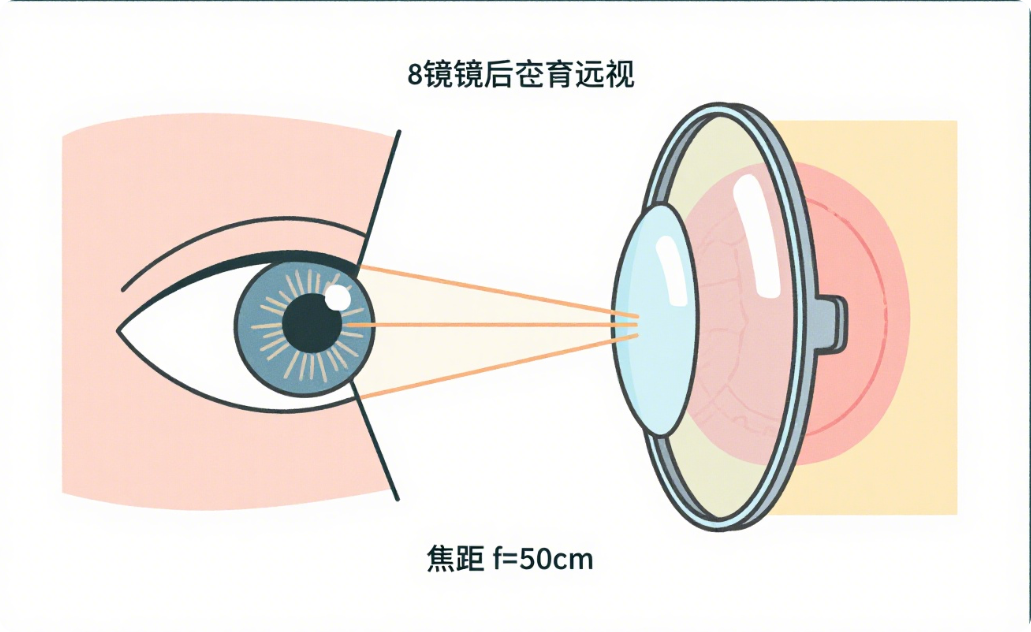
This scientific precision demands equally precise packaging. Our hybrid machines create boxes that protect these delicate optical instruments while maintaining their calibrated positioning.
Light refraction follows Snell’s Law, determining how light bends when passing through different materials. Lens curvature, measured in diopters, determines the degree of vision correction. Precise measurements ensure optimal vision correction for each individual.
Lens materials affect optical performance. Glass lenses provide superior optical clarity but are heavier and more fragile. Plastic lenses are lighter and more impact-resistant but may scratch more easily. High-index materials reduce thickness for strong prescriptions.
Coatings enhance lens performance. Anti-reflective coatings reduce glare and improve clarity. Scratch-resistant coatings protect the lens surface. UV coatings block harmful radiation. Blue light filters reduce digital eye strain.
Frame design affects optical performance. Proper lens positioning ensures optimal vision correction. Frame materials must maintain shape under stress. Adjustment mechanisms allow fine-tuning for individual faces.
The packaging must protect these precise optical relationships. Any damage to lens positioning, frame alignment, or surface coatings can compromise vision correction. This is why we engineer our robotic spotter machines to create packaging that maintains optical precision throughout the supply chain.
Conclusion
Eyewear box machines create the protective packaging that preserves optical precision while building brand value through premium presentation.
My Role
About me:
My Name: Jacob
Link to my website: www.kylinmachines.com
Brand Name: Kylin Machine
Country: China
Products: Post-press machines
Business Model: B2B, Wholesale only



发表回复