
Which post-press machines should you invest in to grow packaging profits in 2025?
I see buyers losing time and money with manual steps, rising waste, and missed deadlines. That hurts margins fast.
The fastest upgrade is a matched set of post-press machines that automate wrapping, spotting, grooving, casing, and finishing, so throughput rises and rejects fall within weeks.
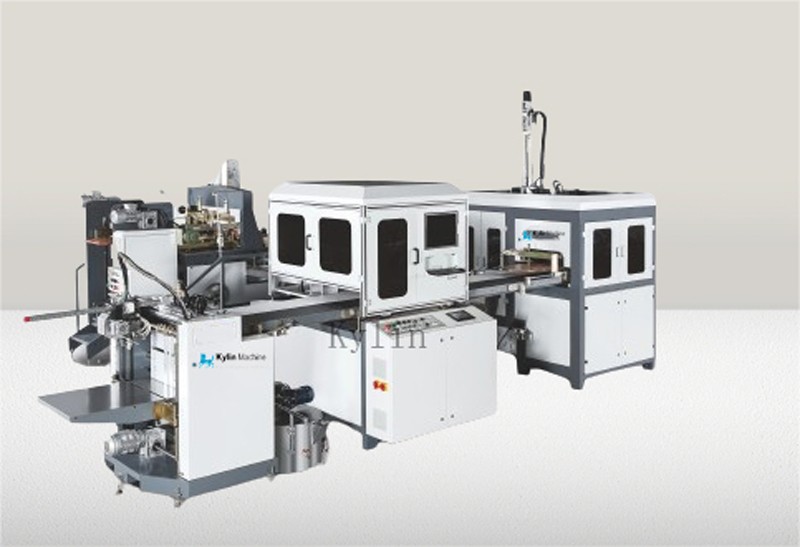
I sell in busy plants. I know the worry. Orders jump. Quality must hold. Cash flow is tight. So I keep the plan simple. I look at current bottlenecks first. Then I phase in the machines that remove the most hours per job. Last, I lock in control on glue, wrap, and placement, so rework drops. I will show you exactly how I do it and which machines I use, so you can move now, not next year.
What mix of post-press machines drives ROI fastest?
Many teams feel stuck. Labor shifts are full. Scrap creeps up. Customers push for faster turns.
Start with steps that chew time: box forming, wrap, corners, and casemaking. Match one or two machines to each step, then link them for flow.
Dive deeper: how I map the first 90 days for payback
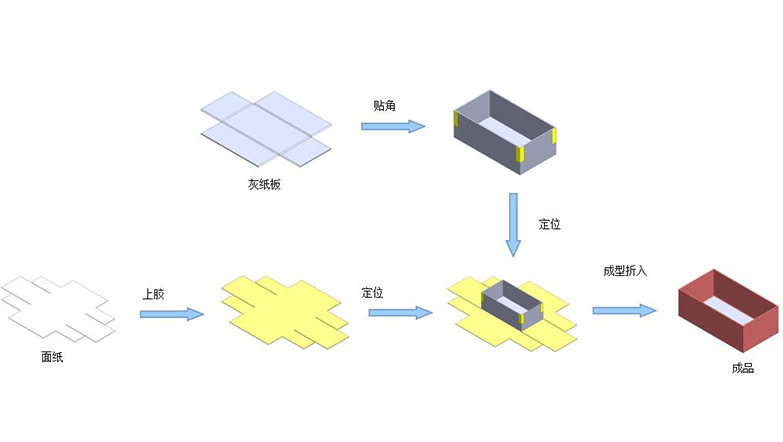
I begin with a line walk. I time the slowest tasks and tag the highest scrap points. I often see three bottlenecks. The first is wrap consistency, so I add a Semi Auto Box Wrapping Machine to stabilize outside and inside pressing and release. The second is corners, so I bring in an Auto Quad Corner Pasting Machine and a Box Staying Machine to keep edges square and strong. The third is accuracy on board preparation, so I fit an Automatic V-Grooving Machine and, where needed, a Manual Groove Machine for short runs and samples. Then I tune the front-end with Auto Rigid Box Machinery to lift base capacity. For book work, I add an Auto Hard Cover Machine and a Book Casing-In Machine. This plan is simple, but it works. I keep the old steps ready as backup for two weeks, then I retire them step by step. This cuts risk, protects deliveries, and shows payback in the first quarter.
- Auto Rigid Box Machinery: https://kylinmachines.com/Machine/auto-rigid-box-machiners/
- Semi Auto Box Wrapping Machine: https://kylinmachines.com/Machine/semi-auto-box-wrapping-machine/
- Auto Hard Cover Machine: https://kylinmachines.com/Machine/hard-cover-making-machine/
- Book Casing-In Machine: https://kylinmachines.com/Machine/book-casing-in-machine/
- Box Staying Machine: https://kylinmachines.com/Machine/box-taping-machine/
- Auto Quad Corner Pasting Machine: https://kylinmachines.com/Machine/auto-quad-corner-pasting-machine/
- Automatic V-Grooving Machines: https://kylinmachines.com/Machine/automatic-v-grooving-machines/
- Manual Groove Machine: https://kylinmachines.com/Machine/manual-groove-machine/
- Cylindrical Paper Round Boxes Machine: https://kylinmachines.com/Machine/cylindrical-paper-round-boxes-machine-2/
- Automatic Collapsible Box Wing Making Machines: https://kylinmachines.com/Machine/automatic-collapsible-box-wing-making-machines/
- Auto Magnet Insert Machine: https://kylinmachines.com/Machine/auto-magnet-insert-machine/
- Mini Folding Box Machine: https://kylinmachines.com/Machine/mini-folding-box-machine/
Suggested flow table
| Step | Problem it solves | Machine to consider | Why it helps |
|---|---|---|---|
| Board prep | Weak edges and cracks | Automatic V-Grooving | Clean folds and upright walls |
| Corners | Open seams | Corner Pasting + Box Staying | Fast, square, consistent |
| Wrap | Wrinkles, bubbles | Semi Auto Box Wrapping | Stable pressing and release |
| Forming | Low throughput | Auto Rigid Box Machinery | Higher, safer output |
| Covers | Slow casing | Auto Hard Cover + Casing-In | Smooth book work integration |
How do robotic spotters and hybrid lines cut waste and rework?
Misplaced wraps and off-center boards kill quality. Manual spotting can drift in long shifts.
Robotic spotters and hybrid lines place wraps and boards with tight tolerance, so glue, fold, and press hit the same mark every time.
Dive deeper: where precision pays off most and how I justify it
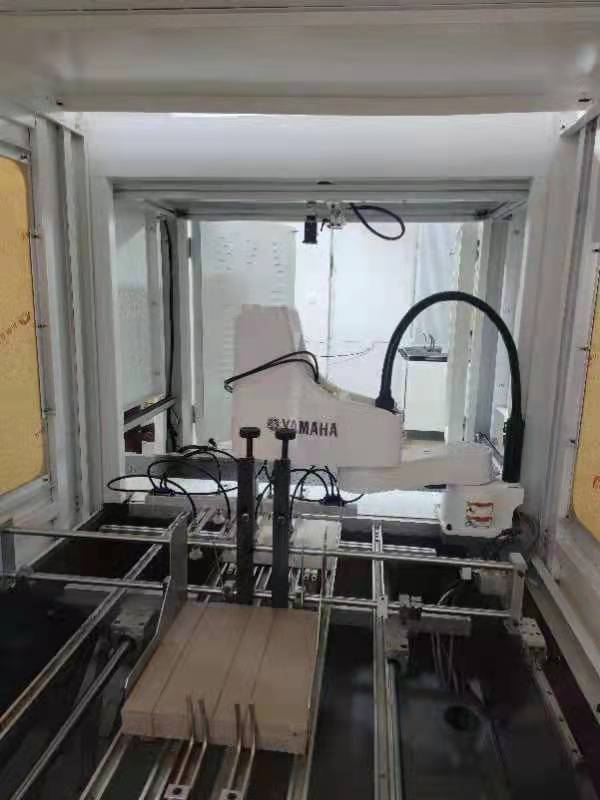
I see two kinds of loss in rigid box work. The first loss is rework from drift. The second loss is slow resets. Robotic spotters fix both. A vision-guided spotter aligns the wrap to the glued board with repeatable accuracy. This shrinks the variance that triggers bubbles, skew, and split corners later. A hybrid line lets me mix auto and semi-auto steps without tearing down. I switch formats fast for small and medium runs. I justify the spend with a simple test. I run one week of current flow and measure rejects, remake hours, and material waste. Then I run one week with a spotter or hybrid cell in place. I count the deltas and project three months. The payback is clear when scrap and rework fall, and labor shifts are finally used for value, not fixes. This is why I push high-accuracy placement first when a plant makes luxury boxes or premium covers, because the brand feel depends on edges, corners, and alignment. Kylin focuses on robotic spotter and hybrid solutions for rigid box and hard book cover workflows, which matches this need exactly. 3
Example hybrid cell table
| Cell | Components | Work it handles | Payoff |
|---|---|---|---|
| Precision wrap cell | Robotic spotter + semi-auto wrapper | Short-run luxury lids | Lower scrap, faster changeovers |
| Corner cell | Auto quad corner + box staying | Mid-volume bases | Square boxes, stronger edges |
| Cover cell | Auto hard cover + casing-in | Book covers and cases | Smooth book and box sync |
Which quality controls protect your margins when demand spikes?
I have watched firms fall behind when quality slips while orders grow.
I use simple controls: accurate placement, stable wrap, clean grooves, and fast corners, so rush jobs ship on time without returns.

Dive deeper: lessons from market shocks and why reliability matters now
I keep an eye on industry news because it shows how fast things can change. Recently, Everpress went into administration on 6 August under joint administrators Asher Miller and Stephen Katz, while the site still appeared live at the time of reporting. This shows how market stress and operational issues can collide without warning. 1 Reviews and creator reports also pointed to order and payment issues in the period before administration, which underlines the cost of inconsistency and lost trust. 1 I take the same lesson into packaging and printing: when demand spikes, a shop needs machines that hold tolerance and uptime, not just speed. So I set baseline controls that are easy to keep: prepared boards with V-grooves, clean magnet inserts for premium closures, consistent corners, and steady wrap cycles. Then I back them with training and spare parts. I pick suppliers who publish clear product lines and support pages, so my team can fix small issues fast and keep work moving. Kylin’s site lists core categories like rigid box machines, hot stamp machines, and paper bag machines, with product pages I can bookmark for ops and maintenance. 2
Conclusion
I focus on the bottleneck first, add precision next, and keep reliability high, so profits grow with fewer headaches.
My Role
About me:
My Name: Jacob
Link to my website: www.kylinmachines.com
Brand Name: Kylin Machine
Country: China
Products: Post-press machines
Business Model: B2B, Wholesale only
Status:
- Focus Area: Specializes in the high technology of Robotic Spotter and Hybrid used in rigid box and hard book cover solutions. 3
- Company Profile:
- Name: Kylin Packaging Machinery Factory (later referred to as Kylin Machinery Limited)
- Establishment: Founded in May 2003. 3
- Location: Based in China, located in Dongguan, Guangdong Province (near HK and Guangzhou city), factory area is 5,000 square meters. 3
- Business Scope: Specialized in manufacturing, designing, and selling machinery for making rigid boxes, round box machines, collapsible box machines, and book cover packing craft. 3
- Company Characteristics:
- Serves the Graphic Arts, Paper Converting, and Bookbindery industries. 3
- Offers advanced machines, technology, and service to over 10,000 users in more than 20 countries worldwide (Kylin Machinery Limited serves about 2,500 users in more than 20 countries). 3
- Has distributors around the world, including in the Middle East, India, Turkey, Korea, Portugal, UK, USA, Canada, Italy, etc. 3
- Has a workforce of more than 120 skillful and diligent workers, with a monthly capacity of about 60 sets of packaging machines. 3
- Owns a powerful R&D team and strict QC management to ensure product quality. 3
Helpful product links I use with clients:
- Auto Rigid Box Machinery: https://kylinmachines.com/Machine/auto-rigid-box-machiners/ 4
- Semi Auto Box Wrapping Machine: https://kylinmachines.com/Machine/semi-auto-box-wrapping-machine/ 5
- Auto Hard Cover Machine: https://kylinmachines.com/Machine/hard-cover-making-machine/ 6
- Book Casing-In Machine: https://kylinmachines.com/Machine/book-casing-in-machine/ 7
- Box Staying Machine: https://kylinmachines.com/Machine/box-taping-machine/ 8
- Auto Quad Corner Pasting Machine: https://kylinmachines.com/Machine/auto-quad-corner-pasting-machine/ 9
- Automatic V-Grooving Machines: https://kylinmachines.com/Machine/automatic-v-grooving-machines/ 10
- Manual Groove Machine: https://kylinmachines.com/Machine/manual-groove-machine/ 11
- Cylindrical Paper Round Boxes Machine: https://kylinmachines.com/Machine/cylindrical-paper-round-boxes-machine-2/ 12
- Automatic Collapsible Box Wing Making Machines: https://kylinmachines.com/Machine/automatic-collapsible-box-wing-making-machines/ 13
- Auto Magnet Insert Machine: https://kylinmachines.com/Machine/auto-magnet-insert-machine/ 14
- Mini Folding Box Machine: https://kylinmachines.com/Machine/mini-folding-box-machine/ 15







发表回复