
Why Are Heavy-Duty Tape Cutters Essential for Modern Packaging Operations?
I’ve been in the packaging machinery business for over two decades, and I’ve seen countless operations struggle with inefficient tape cutting processes. The frustration of manual cutting, the waste from inconsistent lengths, and the bottlenecks in production lines are problems that keep business owners awake at night.
Heavy-duty tape cutters are automated machines that precisely cut various types of tape to predetermined lengths, increasing packaging efficiency by up to 300% while reducing material waste and labor costs in industrial operations.

Let me share why investing in the right tape cutting technology could transform your packaging operations and boost your bottom line.
What Makes Heavy-Duty Tape Cutters Different from Standard Models?
When I first started at Kylin Machines, I thought all tape cutters were basically the same. I was wrong. The difference between a standard cutter and a heavy-duty model is like comparing a bicycle to a motorcycle.
Heavy-duty tape cutters feature reinforced cutting mechanisms, wider cutting capacities (up to 120mm), and continuous operation capabilities that can handle industrial-grade materials like PVC, copper foil, and protective films without degradation.

Our Ky-CUT-120 model exemplifies these differences. These devices handle many packing jobs that don’t fit into normal groups like filling, sealing or putting on labels. The machine operates 24 hours continuously, something I learned the hard way was crucial when we had a client with three-shift operations.
Key Specifications That Matter
| Feature | Standard Cutter | Heavy-Duty Cutter |
|---|---|---|
| Cutting Width | Up to 50mm | Up to 120mm |
| Daily Operation | 8 hours max | 24 hours continuous |
| Material Types | Basic tapes | PVC, copper foil, protective films |
| Precision | ±2mm | ±0.5mm |
| Speed | 20 pieces/min | 44 pieces/min |
The precision difference alone saved one of our Turkish clients over $15,000 annually in material waste. It helps to reduce electricity usage, resulting in cost savings and environmental benefits. When you’re cutting thousands of pieces daily, that half-millimeter accuracy adds up quickly.
How Do Automated Features Boost Production Efficiency?
I remember visiting a packaging facility in Dubai where workers were manually measuring and cutting tape. The inconsistency was staggering. Some pieces were 15% longer than needed, others too short to be useful. This is where automation becomes a game-changer.
Automated tape cutters with LED displays, memory functions, and dual optical sensors can increase production speed by 200-300% while maintaining consistent quality and reducing labor costs by up to 60%.
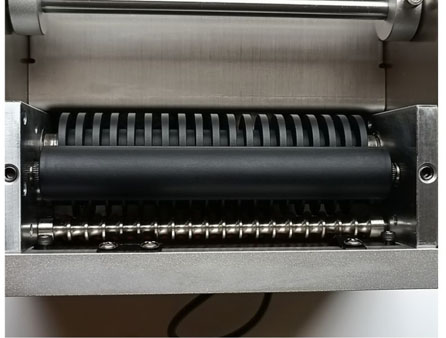
Automated machinery and robots have increased the speed and efficiency of packaging processes and helped reduce labor costs and human error. The numbers speak for themselves. According to Precedence Research, the global packaging automation industry is expected to reach about $125 billion by 2030.
Real-World Efficiency Gains
Our rigid box machines work seamlessly with automated tape cutters. I’ve seen operations where this integration reduced setup time from 45 minutes to 8 minutes. The memory function retains cutting lengths even after power outages, something that saved our Canadian client during a winter storm.
The streamlined process enables businesses to meet tight deadlines, fulfill large orders, and optimize their manufacturing operations. The dual optical sensors ensure accurate feeding, eliminating the guesswork that plagued manual operations.
What Types of Materials Can Heavy-Duty Cutters Handle?
The versatility question comes up in every client meeting. Business owners want to know if one machine can handle their diverse material needs. The answer often determines whether they see the investment as worthwhile.
Heavy-duty tape cutters can process over 10 different material types including PVC, copper foil tape, craft tape, cloth tape, sealing tape, protective film, paper tape, foam tape, glass fiber tape, and double-sided tape with thicknesses up to 2.5 mil.
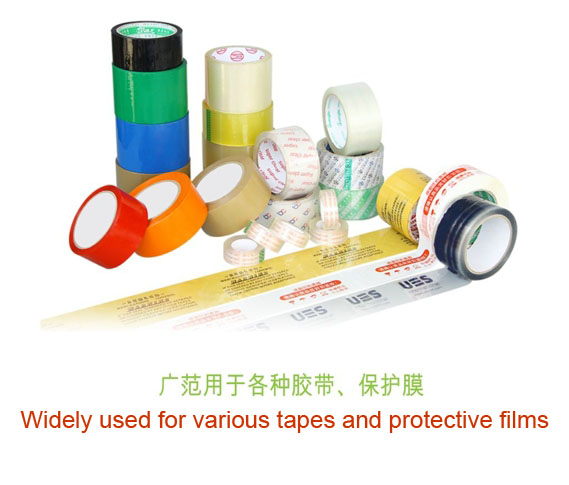
Scotch 313 uses an acrylic adhesive for sealing that increases seal life and temperature ranges. The 2.5 mil thickness works great for heavy sealing and packing operations. This thickness capability is crucial for industrial applications.
Material-Specific Benefits
Our hot stamp machines often require precise tape applications for finishing work. Different materials serve different purposes:
- PVC tape: Weather resistance for outdoor packaging
- Copper foil: EMI shielding in electronics packaging
- Protective film: Surface protection during transport
- Double-sided tape: Permanent bonding applications
This packing tape is ideal for heavy-duty applications, meaning it’s capable of withstanding significant weight and stress without compromising integrity. The machine’s ability to handle such diverse materials means one investment covers multiple packaging needs.
Why Is Precision Cutting Critical for Cost Control?
Cost control isn’t just about buying cheaper materials. It’s about eliminating waste, reducing rework, and optimizing material usage. I learned this lesson when analyzing why some clients achieved 40% better margins than others using similar equipment.
Precision cutting reduces material waste by 25-35%, eliminates rework costs, and ensures consistent package quality that reduces customer complaints and returns, directly impacting profitability.
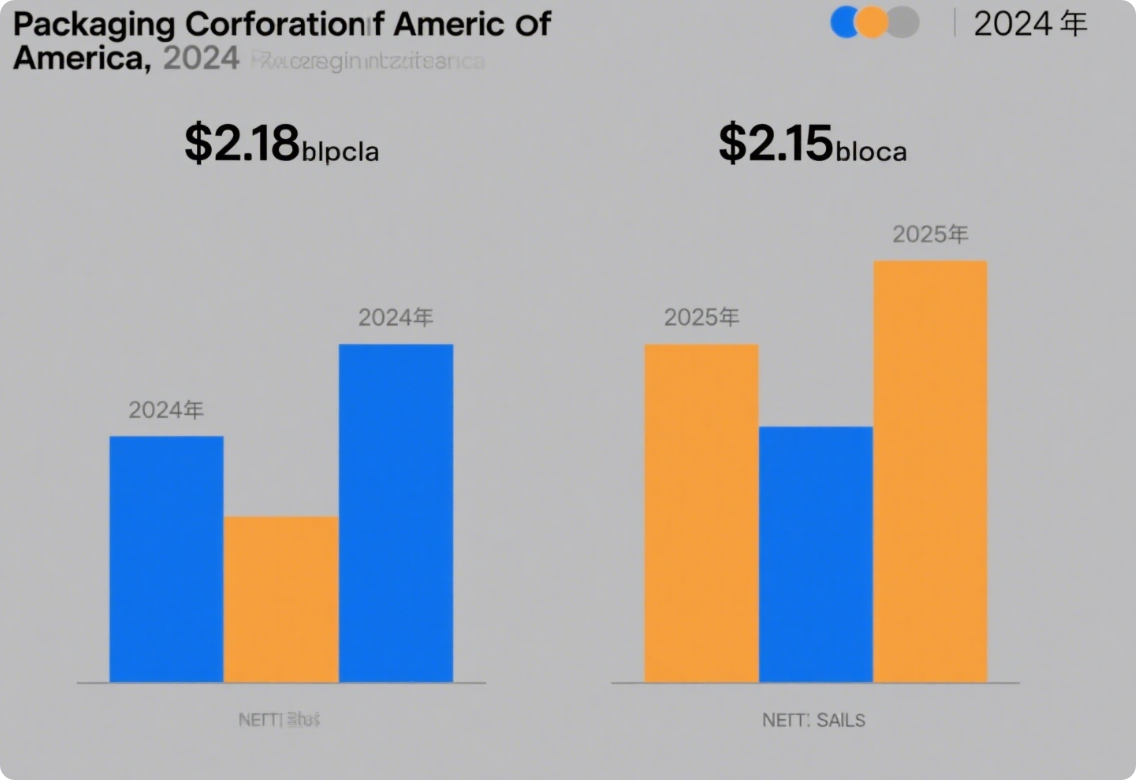
AI algorithms can analyze large amounts of data to optimize the packaging process, making it more efficient and reducing waste. Modern cutters incorporate smart features that learn from usage patterns.
Financial Impact Analysis
Our paper bag machines benefit from precise tape application. Consider a medium-sized operation using 10,000 tape pieces daily:
- Manual cutting waste: 15% = 1,500 pieces daily
- Annual waste cost: $18,000-25,000
- Precision cutter waste: 3% = 300 pieces daily
- Annual savings: $14,400-20,000
The payback period for a quality heavy-duty cutter is typically 8-14 months. The precise control and automation of these machines minimize human errors and improve overall production efficiency, resulting in increased output and reduced labor costs.
How Does Automation Integration Affect Overall Production Lines?
Integration isn’t just about connecting machines. It’s about creating seamless workflows where each component enhances the others. I’ve seen production lines transform from chaotic manual processes to smooth automated operations.
Integrated automation systems with heavy-duty tape cutters can increase overall line efficiency by 45-60%, reduce changeover times by 70%, and enable real-time production monitoring that prevents bottlenecks before they occur.
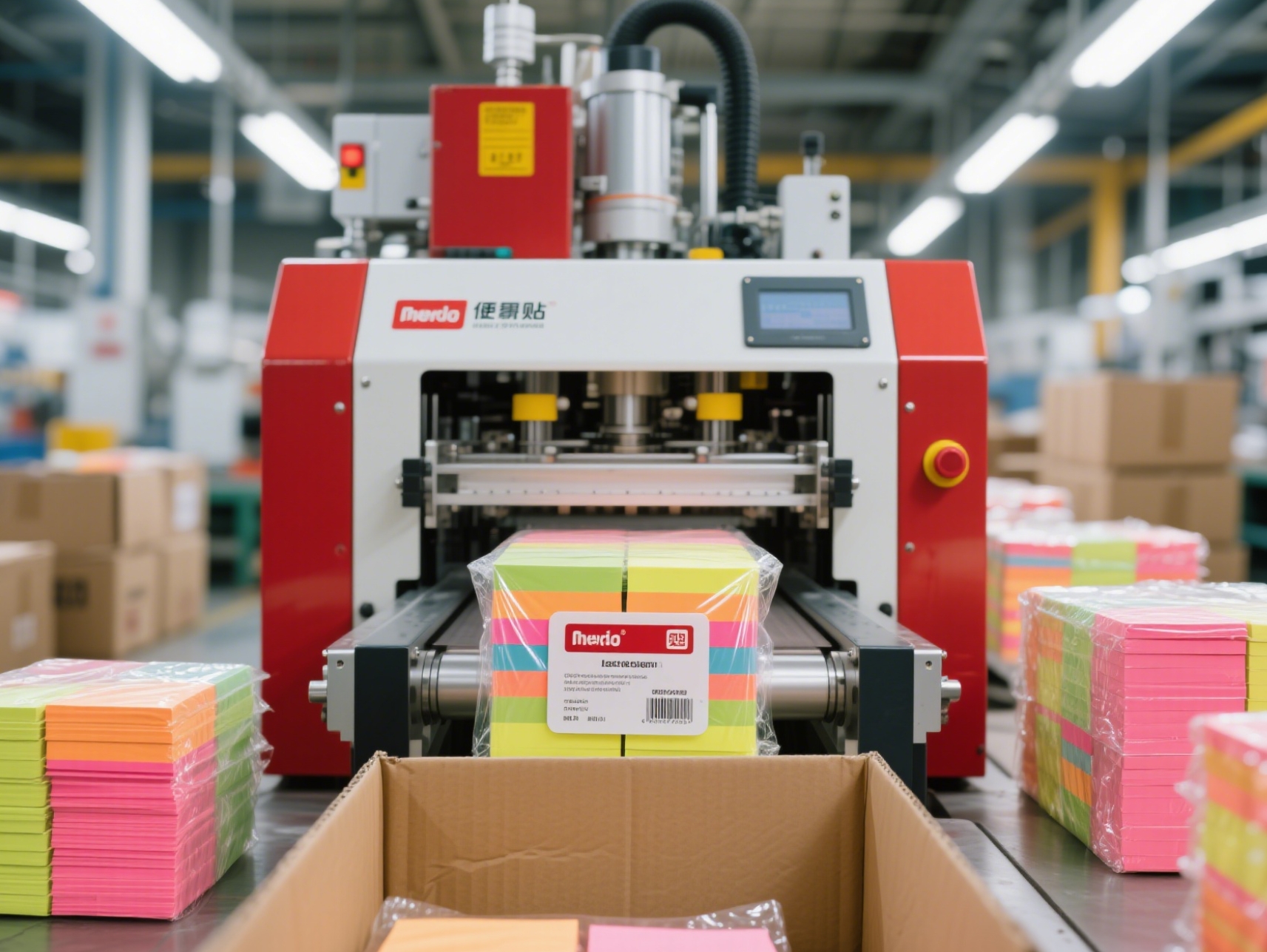
By using Industry 4.0 solutions, companies can improve the efficiency of their packaging processes and reduce costs. Our book binding equipment works in harmony with cutting systems.
Integration Success Stories
A printing company in London integrated our tape cutters with their collapsible box machines. The results were remarkable:
- Setup time reduction: 65% faster changeovers
- Quality consistency: 99.2% accuracy rate
- Operator efficiency: One person managing three machines
- Maintenance scheduling: Predictive alerts reduced downtime by 40%
The U.S. packaging machinery market saw significant growth in 2023, with shipments increasing by 5.8% to $10.9 billion. This growth reflects the industry’s recognition of automation benefits.
What Maintenance Requirements Should You Expect?
Maintenance anxiety is real. Business owners worry about complex machines breaking down and creating expensive problems. I address this concern by explaining our approach to reliability and support.
Heavy-duty tape cutters require minimal daily maintenance (5-10 minutes), scheduled monthly inspections (30 minutes), and annual professional servicing, with most quality machines offering 3-year warranties and 24/7 technical support.
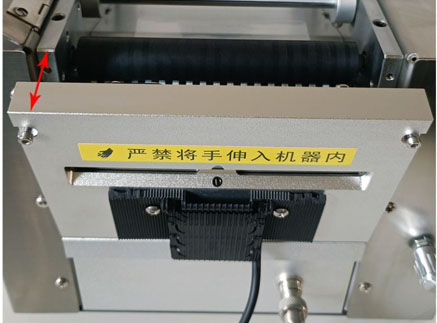
To ensure optimal performance and longevity of the Electronic Tape/Webbing/Velcro Cutting Machine, regular maintenance is recommended. Our maintenance philosophy focuses on prevention rather than reaction.
Maintenance Best Practices
Our service team has developed protocols based on 20+ years of field experience:
Daily Tasks (5 minutes):
- Clean cutting blade area
- Check tape roll alignment
- Verify sensor functionality
Monthly Tasks (30 minutes):
- Lubricate moving parts
- Calibrate cutting length
- Inspect electrical connections
Annual Service (2 hours):
- Complete system diagnostic
- Replace wear components
- Software updates
We provide comprehensive training for your operators. Japan remains the dominant force in robot manufacturing, accounting for nearly 46% of the world’s industrial robot production. We’ve learned from global best practices to ensure reliability.
Conclusion
Heavy-duty tape cutters represent a smart investment that pays dividends through improved efficiency, reduced waste, and enhanced product quality in modern packaging operations.
Jacob from Kylin Machines has been helping packaging operations optimize their processes for over 20 years. Based in Dongguan, China, Kylin Machines serves over 10,000 customers across 30+ countries with innovative packaging machinery solutions.






发表回复