
Why Is High-End Cardboard Packaging Becoming the Game-Changer for Premium Brands?
Brands struggle to stand out. Generic packaging floods the market. Customers scroll past without noticing.
High-end cardboard packaging transforms ordinary products into premium experiences through advanced customization, sustainable materials, and innovative finishing techniques. Companies like Tipomar Packaging demonstrate how rigid box machines and specialized equipment create packaging that drives brand differentiation and customer engagement.
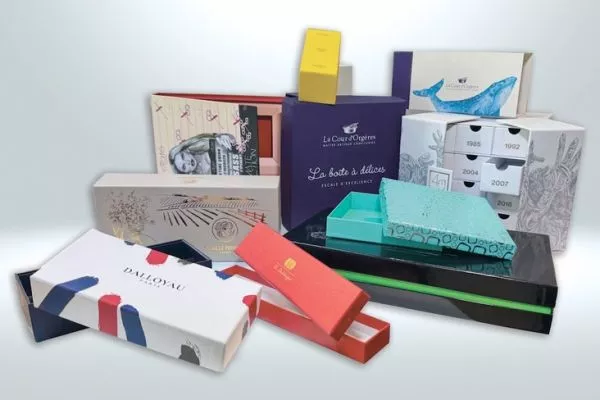
I have watched the packaging industry evolve for over two decades. The shift toward premium cardboard packaging represents more than a trend. It signals a fundamental change in how brands connect with customers.
What Makes Tipomar Packaging’s Approach Different from Standard Manufacturing?
Most packaging companies focus on volume. They produce thousands of identical boxes. They prioritize speed over customization.
Tipomar Packaging breaks this mold by offering fully integrated production from structural design to logistics, specializing in controlled series for cosmetics, wines & spirits, confectionery, gaming, and jewelry markets. Their 25+ years of expertise demonstrates how post-press equipment creates packaging that builds brand identity.
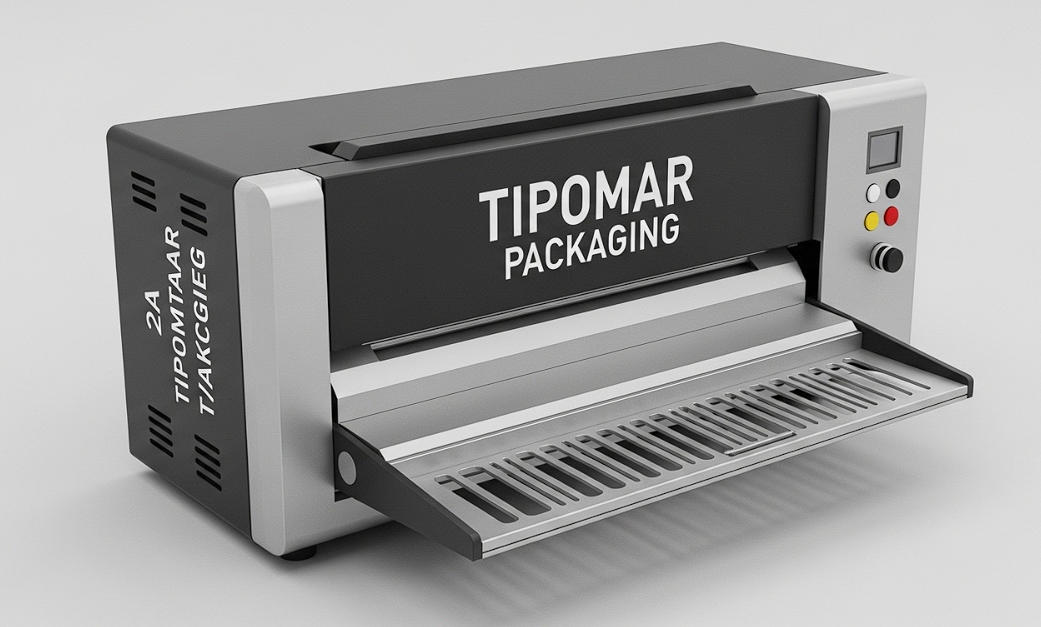
Last month, I visited a luxury cosmetics brand in France. They struggled with packaging suppliers who could not deliver both quality and customization. They needed magnetic closures, embossed finishes, and sustainable materials. Standard suppliers offered compromises. Tipomar delivered exactly what they envisioned.
The company’s integrated approach covers every aspect of premium packaging production:
| Production Stage | Capabilities | Equipment Integration |
|---|---|---|
| Structural Design | Custom box architecture | Box making machines compatibility |
| Rapid Prototyping | Quick iteration cycles | Rigid box equipment testing |
| Printing & Finishing | Offset, laminating, hot foil | Hot stamping machines integration |
| Assembly & Packaging | Complete production line | Packaging machinery coordination |
| Logistics Management | End-to-end delivery | Packaging solutions optimization |
Tipomar’s facility in Otopeni, Romania, employs 80 skilled workers who combine craftsmanship with industrial performance. They serve international brands across France, Netherlands, UK, Belgium, and Switzerland. This geographic reach mirrors our experience at Kylin Machine, where we support customers across 20+ countries with specialized packaging equipment.
The company manufactures folding cartons, rigid boxes, magnetic closure packaging, cloche boxes, cardboard trays, puzzles, and board games. Each project receives individual treatment based on technical specifications. This approach requires flexible collapsible box machines and adaptable production systems.
How Do Advanced Finishing Techniques Transform Standard Cardboard Into Luxury Packaging?
Finishing makes the difference. Raw cardboard looks ordinary. Proper finishing creates desire.
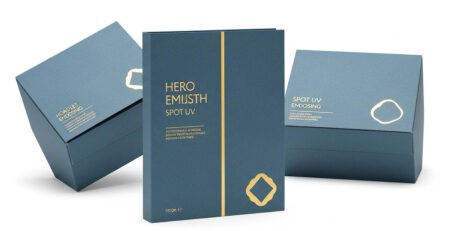
Advanced finishing techniques including hot foil stamping, embossing, selective varnishes, and complex die-cuts transform basic cardboard into premium packaging that commands higher prices. These processes require specialized book cover machines and precision equipment to achieve consistent luxury results.
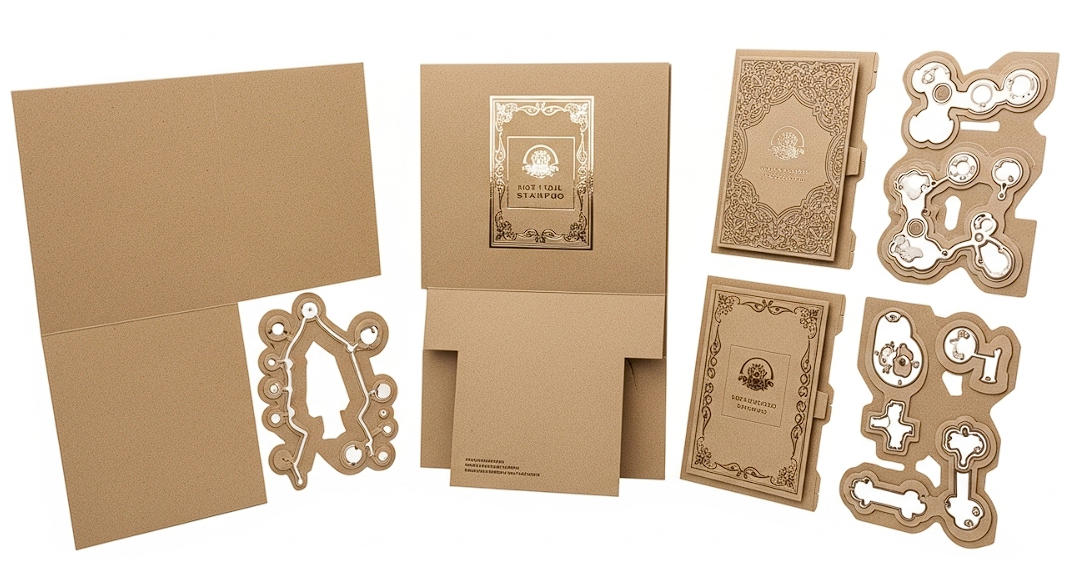
I remember working with a Swiss jewelry brand three years ago. They wanted packaging that reflected their product quality. Standard printing looked cheap next to their expensive watches. We implemented hot foil stamping with embossed patterns. The packaging became part of the unboxing experience. Sales increased by 30% within six months.
Tipomar’s finishing capabilities demonstrate the importance of comprehensive equipment integration:
Printing Technologies:
- High-quality offset printing for precise color reproduction
- Digital printing options for small batch customization
- Specialty inks for unique visual effects
- Color management systems for brand consistency
Surface Treatments:
- Laminating options: matte, gloss, and soft-touch finishes
- Hot foil stamping for metallic accents and premium appeal
- Embossing and debossing for tactile experiences
- Selective and glitter varnishes for visual impact
Structural Features:
- Complex die-cuts for unique opening experiences
- Custom closure systems including magnetic and flap designs
- Internal elements like wedges, inserts, and compartments
- Multi-level packaging for product protection and presentation
These finishing techniques require precise coordination between rigid box making machines and specialized finishing equipment. The integration challenges explain why many packaging companies avoid premium projects. Success demands both technical expertise and equipment investment.
For manufacturers using book binding equipment, similar principles apply. Premium book covers require the same attention to finishing details that luxury packaging demands. The techniques transfer across applications, creating opportunities for equipment versatility.
Why Are Sustainability and Customization Driving Premium Packaging Demand?
Consumers care about environmental impact. They also want unique experiences. These trends reshape packaging requirements.
Sustainability and customization drive premium packaging demand as brands seek FSC-certified materials, low-impact inks, and personalized designs that reduce waste through targeted production. This shift requires post-press machinery capable of handling diverse materials and small batch production efficiently.
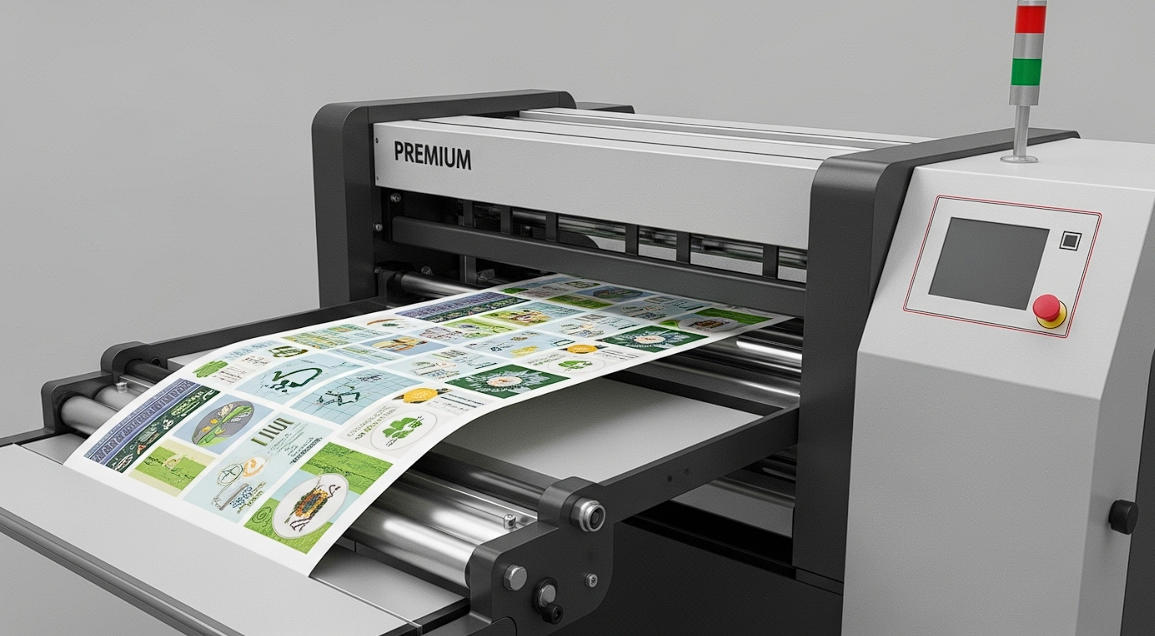
Tipomar addresses sustainability through material choices and production efficiency. They work with duplex, kraft, textured, and recycled cardboards, all available in FSC-certified versions. Their inks and varnishes minimize environmental impact while maintaining premium appearance.
The sustainability advantage extends beyond materials to production efficiency. Controlled series production from hundreds to thousands of units reduces waste compared to mass production approaches. This model suits brands launching new products or targeting specific market segments.
Customization capabilities include:
Design Flexibility:
- Individual project treatment based on technical specifications
- Rapid prototyping for design validation
- Structural modifications for unique brand requirements
- Integration of brand elements throughout packaging design
Production Adaptability:
- Medium to large production runs with consistent quality
- Flexible scheduling for product launch coordination
- Quality control systems ensuring brand standard compliance
- Logistics management for global distribution
Market Applications:
- Product launches requiring distinctive packaging
- Event packaging for special occasions
- Gift boxes for premium positioning
- Game boxes combining functionality with visual appeal
For robotic spotter technology applications, these trends create opportunities for automated quality control and precision placement of finishing elements. Automation helps maintain consistency across customized production runs while reducing labor costs.
The gaming and puzzle market represents particular growth potential. Board games require packaging that protects components while creating excitement. Custom inserts, magnetic closures, and premium finishes enhance the gaming experience. This market segment values both functionality and visual appeal, making it ideal for premium packaging solutions.
What Business Opportunities Does Premium Cardboard Packaging Create for Equipment Manufacturers?
Premium packaging grows faster than standard packaging. Brands pay higher margins. Equipment suppliers benefit from this trend.
Premium cardboard packaging creates significant opportunities for equipment manufacturers through increased demand for specialized round box machines, finishing equipment, and automation systems that enable profitable small-batch production with luxury-level quality standards.
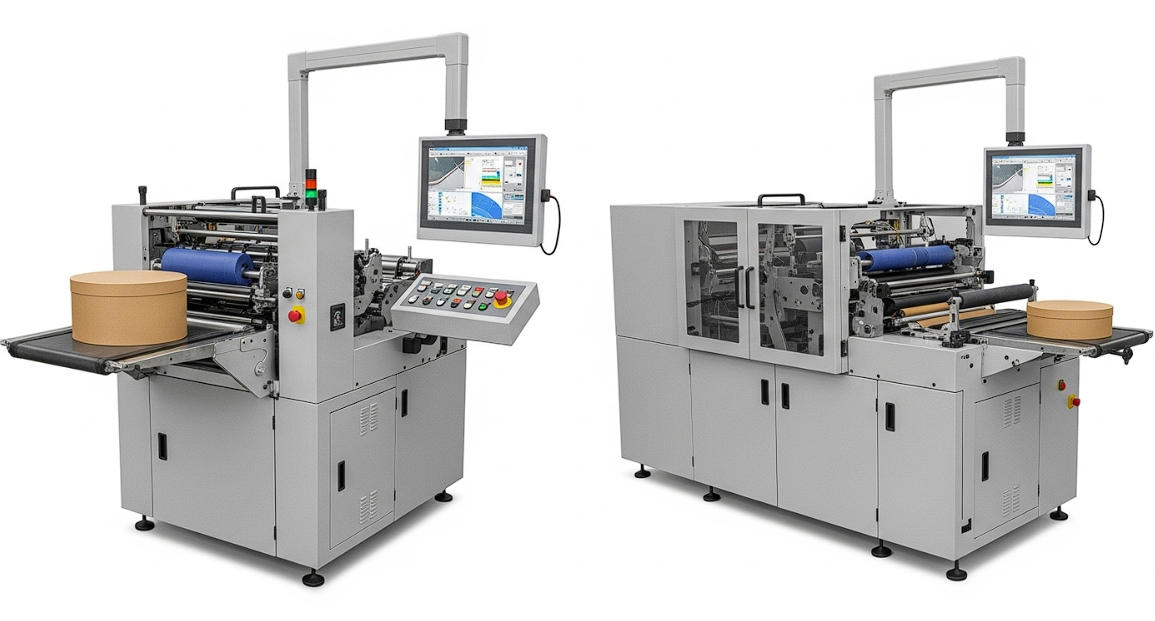
Tipomar’s success demonstrates market demand for premium packaging capabilities. Their 80-employee operation serves major European brands, indicating sustainable business potential. For equipment manufacturers, this represents multiple revenue streams.
Equipment Demand Areas:
Primary Production Equipment:
- Specialized rigid box machines for premium construction
- Flexible folding carton equipment for diverse designs
- Round box machines for luxury cosmetics and confectionery
- Collapsible box systems for efficient shipping and storage
Finishing Equipment Integration:
- Hot stamping machines for metallic finishing effects
- Embossing equipment for tactile surface treatments
- Die-cutting systems for complex structural designs
- Laminating equipment for surface protection and enhancement
Automation and Quality Control:
- Robotic systems for precise component placement
- Vision systems for quality inspection and brand compliance
- Material handling equipment for efficient production flow
- Integration software for coordinated production management
The business model implications extend beyond equipment sales to service and support opportunities. Premium packaging requires consistent quality, creating demand for maintenance, training, and technical support services. This recurring revenue potential makes the premium segment attractive for long-term business development.
For Kylin Machine and similar manufacturers, the premium packaging trend validates our focus on quality and customization capabilities. Our experience serving customers across diverse markets positions us well for this growing segment.
Conclusion
Premium cardboard packaging represents the future of brand differentiation, combining sustainability, customization, and advanced finishing techniques to create memorable customer experiences.
My Role
I am Jacob from Kylin Machine, specializing in post-press machinery and robotic spotter technology. Based in Dongguan, China, we serve over 2,500 customers across 20+ countries with advanced packaging solutions.





发表回复