


April 2026 Market Update: Containerboard Price Drops Shock Industry
As we enter the second quarter of 2026, the global packaging industry is witnessing a “Spring surprise” that few analysts predicted. Following a period of intense volatility and consolidation in late 2025, containerboard prices have taken a sudden and significant turn. For rigid box manufacturers and high-end packaging providers, this shift in material costs presents both a unique opportunity and a complex strategic challenge.
The “Spring Surprise”: Why Prices are Reversing in April 2026
For most of early 2026, the industry was braced for continued price hikes driven by energy costs and supply chain tightening. However, as of early April, the market index has recorded an unexpected reversal.
Analyzing the Data: $20/Ton Drop and Beyond
Industry reports from Fastmarkets and other global observers have highlighted a $20 per ton price drop in the standard containerboard index. This follows a historic 10% capacity cut implemented by major mills at the start of the year, which many believed would keep prices afloat. Instead, a combination of production consolidation and a shift in demand toward ultra-sustainable, lighter-weight boards has created a surplus in traditional materials.
According to latest market intelligence, the global paper and paperboard packaging market is still on track to reach a staggering USD 352.09 billion in 2026, but the composition of that value is changing. The demand for premium “Triplex Board” and high-grade chipboard—the staples of the luxury rigid box—remains high, even as standard corrugated materials see price pressure.
Impact on Rigid Box Production Costs
For manufacturers using high-speed rigid box production lines, material costs typically represent between 40% and 60% of the total unit cost. A $20/ton reduction in board prices, while seemingly small on paper, translates to a significant boost in net margins for high-volume producers.
Automation vs. Material Costs: The New ROI Equation
In a market where material prices are fluctuating, the focus for 2026 has shifted heavily toward operational efficiency. Manufacturers are realizing that they cannot rely solely on “cheap board” to drive profits. Instead, the real “ROI winner” in 2026 is the integration of AI-driven automation.
When material prices drop, it is the perfect time to invest in machinery that reduces waste. Modern rigid box machines now incorporate real-time error correction. If a manufacturer can save 5% on board costs through market dips and simultaneously reduce their scrap rate from 4% to 0.5% through automation, their overall competitive advantage becomes insurmountable.
Future Outlook: Capacity Cuts and Consolidation Trends
Despite the current price relief, analysts warn that the 2026 landscape remains fragile. Major paper mills in Europe and North America have announced further “Production Consolidation” plans for the second half of the year. The goal for these industry giants is to stabilize the market by limiting supply.
Furthermore, the rise of the circular economy is forcing a redesign of the rigid box itself. The demand for 100% recyclable, plastic-free alternatives is no longer a niche preference; it is a regulatory mandate in many jurisdictions for 2026. This means manufacturers must be prepared for a shift toward more specialized—and potentially more expensive—eco-friendly substrates.
Strategic Steps for Rigid Box Manufacturers in Q2 2026
To capitalize on the current market conditions, packaging firms should consider the following:
- Lock-In Supply Contracts: While prices are currently dipping, the planned capacity cuts for late 2026 suggest a possible rebound. Locking in current rates for high-grade board could be a prudent move.
- Audit Your Scrap Rate: With board prices being a “Spring surprise,” any waste in your production line is essentially throwing away a cost-savings gift. Auditing your packaging machinery for precision and accuracy is essential.
- Transition to High-Performance Boards: The current surplus in standard board allows for a more cost-effective transition to high-performance, thin-walled boards that offer the same structural integrity with less environmental footprint.
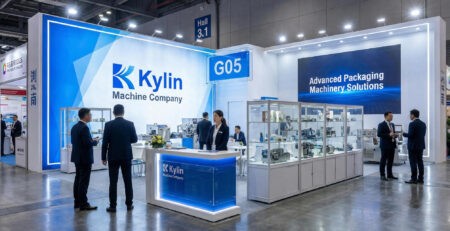
At Kylin Machine, we are helping our global partners navigate these market shifts by providing the most efficient and adaptable automation solutions in the industry. Whether you are looking to scale your production or transition to sustainable materials, our 2026 lineup is designed to maximize your ROI in any market condition.
Explore our latest Packaging Machinery Catalog to find the right solution for your 2026 growth strategy.

Leave a Reply