



How Automation is Revolutionizing the Publishing Industry in 2026
The Future of Book Cover Making Machines: How Automation is Revolutionizing the Publishing Industry
From AI-powered precision to sustainable materials — the global book cover manufacturing landscape is undergoing its biggest transformation in decades. Here’s what every publisher and printer needs to know in 2026.
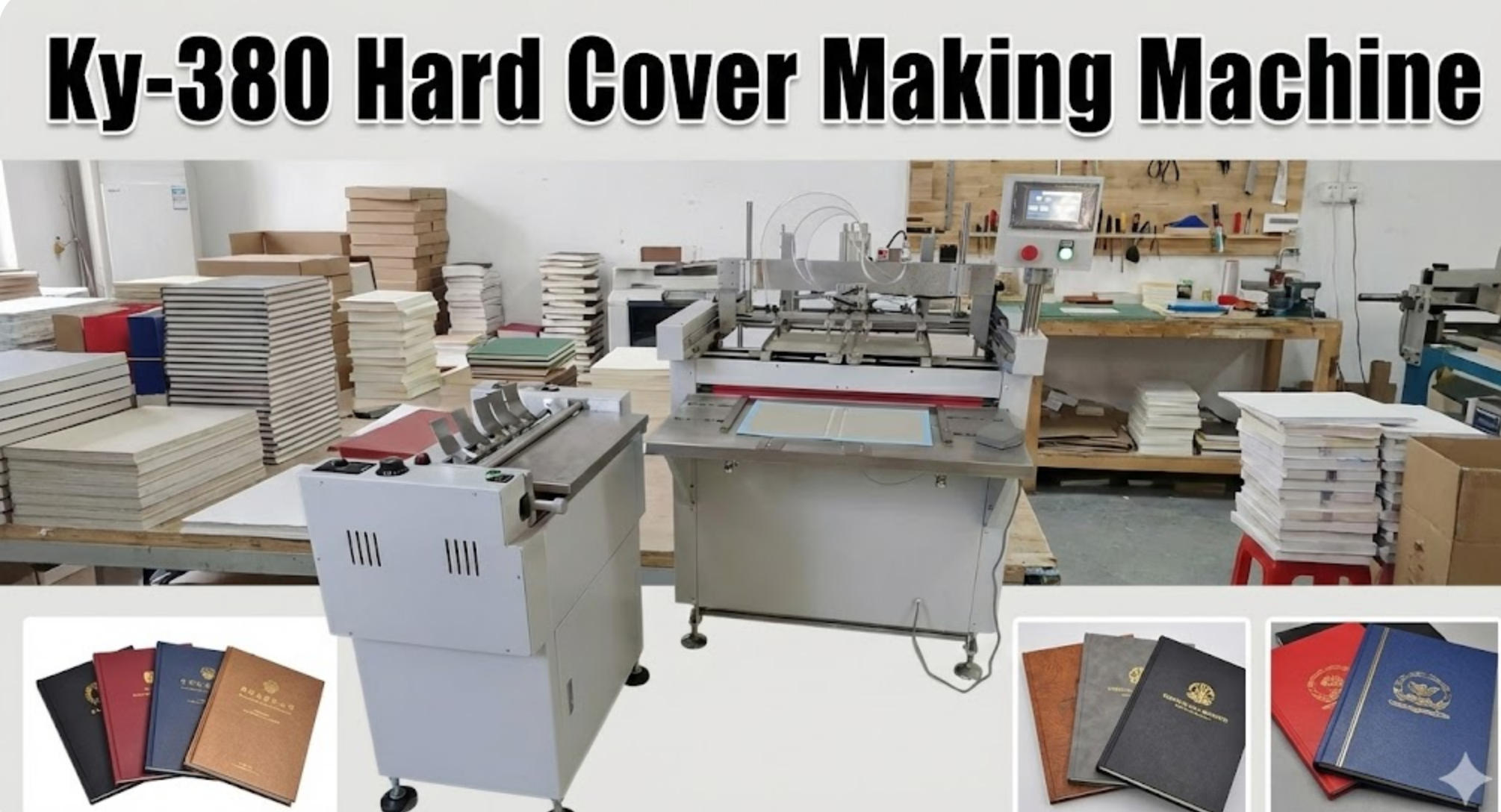
The modern printing floor: Where traditional craftsmanship meets cutting-edge book cover making machine technology.
The global book printing and packaging industry is experiencing a seismic shift. As publishers worldwide grapple with rising demand, tighter margins, and sustainability mandates, automated book cover making machines have emerged as the single most transformative technology reshaping the industry in 2026.
According to Smithers Pira, the global book printing market is projected to reach $49.2 billion by 2028, with hardcover books commanding a premium segment that’s growing at 5.8% CAGR. At the heart of this growth? The book cover making machine — a technology that’s becoming indispensable for competitive printers.
1. The Market Explosion: Why Book Cover Manufacturing Has Never Been More Important
Despite the digital era’s predictions of paper’s demise, physical book sales have surged to record levels. The Association of American Publishers reported that print book revenue grew for the seventh consecutive year in 2025, with hardcover editions leading the charge.
This isn’t just an American phenomenon. Markets in Southeast Asia, India, Africa, and Latin America are experiencing explosive growth in educational publishing, driving unprecedented demand for efficient book cover making machine solutions that can handle high volumes without compromising quality.
The “BookTok” phenomenon on social media has created a new generation of readers who value beautiful physical editions, making premium hard cover production more lucrative than ever.
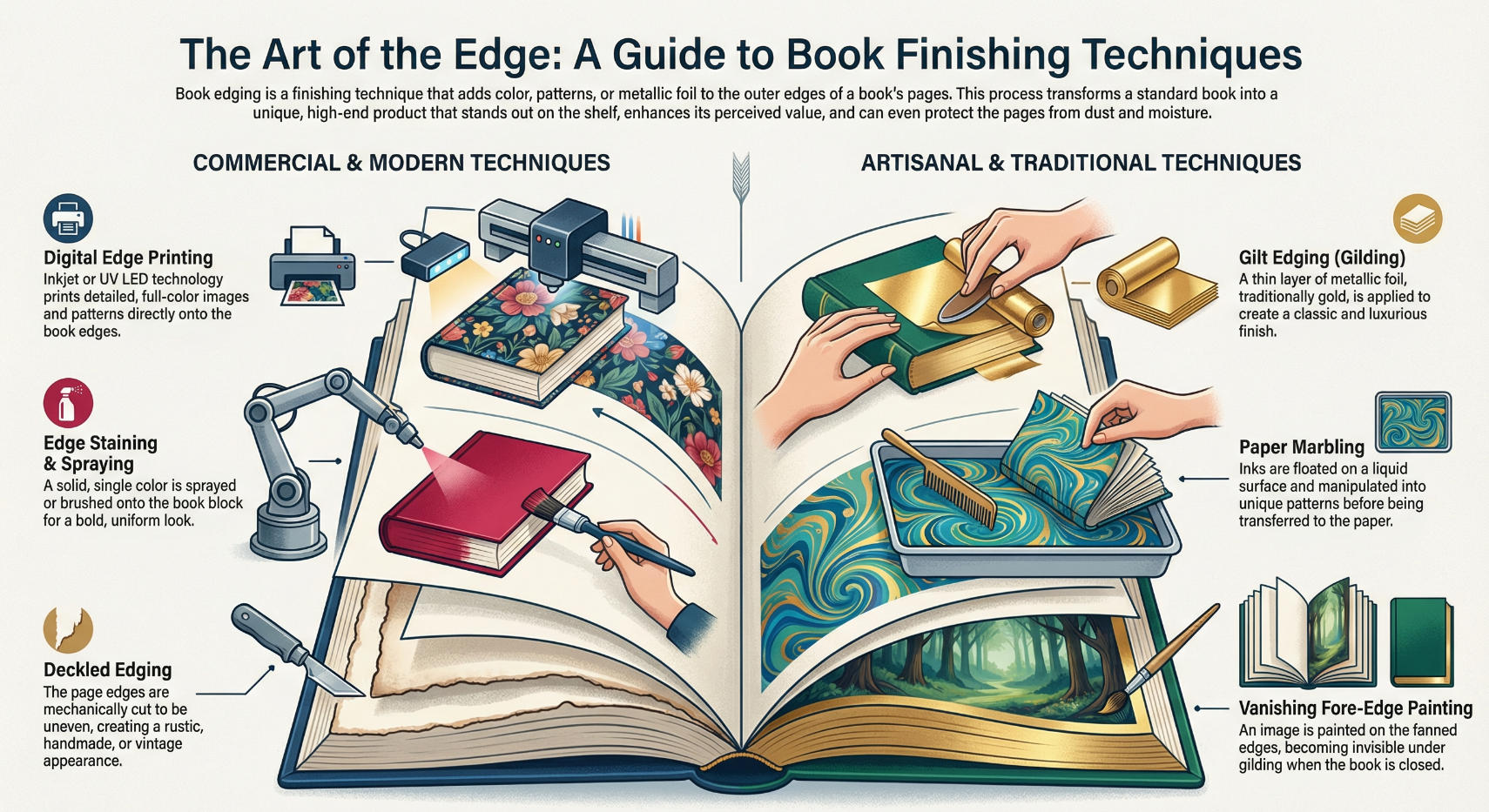
The enduring appeal of hardcover books continues to drive demand for advanced book cover making machines worldwide.
“The printing industry is witnessing a renaissance. Publishers who invest in automated book cover making machines today will dominate the market for the next decade.”
— Dr. Heinrich Müller, Director of Print Technology, drupa Global Print Summit2. The Automation Revolution: From Manual Craft to Smart Manufacturing
Traditional book cover making was a labor-intensive process requiring skilled craftsmen, multiple workstations, and significant floor space. A single hardcover book case could take minutes to produce. Today’s automatic hard cover making machines like the KY-380 can produce thousands of precision-crafted book covers per hour, with consistency that human hands simply cannot match.
Key Automation Milestones in Book Cover Production
2018–2020: Semi-Automatic Era
Machines required manual feeding and positioning. Output: 300–500 covers/hour.
2021–2023: Full Automation Begins
Automatic feeding, gluing, and wrapping integrated. Output: 800–1,200 covers/hour.
2024–2025: AI-Integrated Systems
Computer vision for quality control, IoT-connected dashboards, predictive maintenance. Output: 1,500–2,000 covers/hour.
2026 and Beyond: Smart Factory Integration
Fully networked production lines, real-time analytics, zero-defect manufacturing. Output: 2,500+ covers/hour.
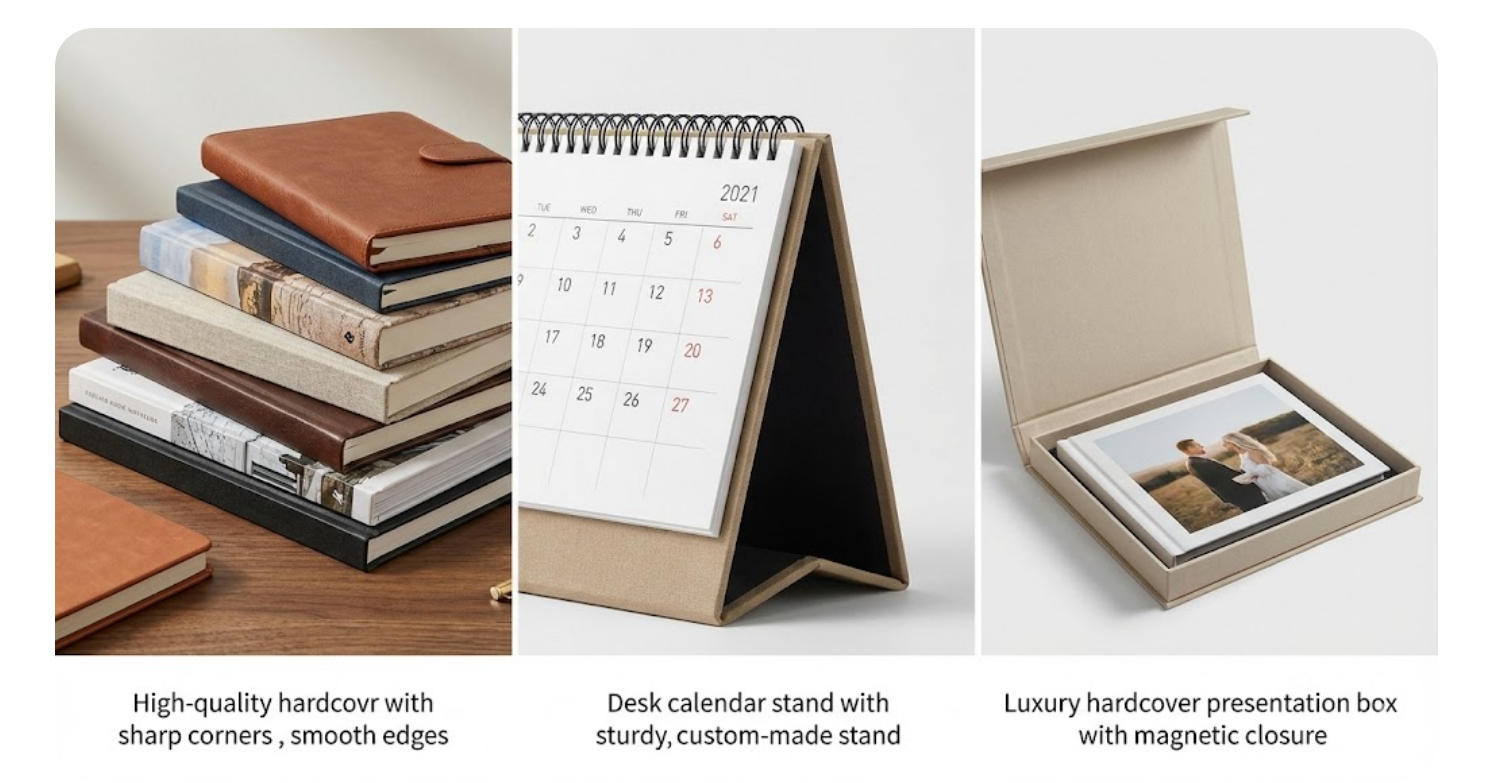
Modern book cover making machines combine precision engineering with intelligent software systems.
The KY-380: A Case Study in Innovation
The KY-380 Automatic Hard Cover Making Machine represents the state of the art in automated book cover production. Designed for medium to large-scale operations, it delivers:
- ✦ Fully automatic cover board feeding & positioning
- ✦ Precision hot-melt glue application system
- ✦ Four-corner folding with micrometer accuracy
- ✦ PLC touch-screen control with recipe memory
- ✦ Compatible with a wide range of cover materials
3. Technology Comparison: Manual vs. Semi-Auto vs. Fully Automatic
Choosing the right book cover making machine depends on your production volume, budget, and quality requirements. The following table breaks down the three main categories of equipment available on the market today:
| Feature | Manual Process | Semi-Automatic |
Fully Automatic (e.g., KY-380) |
|---|---|---|---|
| Production Speed | 50–100 pcs/hr | 300–600 pcs/hr | 1,500–2,500 pcs/hr |
| Labor Required | 4–6 workers | 2–3 workers | 1 operator |
| Consistency / Quality | Variable | Good | Excellent (±0.5mm) |
| Setup Time | 30–60 min | 15–20 min | 3–5 min |
| Material Waste | 8–15% | 4–7% | 1–3% |
| Size Changeover | Manual adjustment | Partial auto | Fully automatic |
| Investment Level | $1,000–$5,000 | $8,000–$25,000 | $30,000–$80,000+ |
| ROI Period | — | 18–24 months | 8–14 months |
* Data compiled from industry surveys by PrintWeek, manufacturer specifications, and Kylin Machine customer feedback. Explore the KY-380 detailed specifications here.
4. The Sustainability Imperative: Green Book Cover Manufacturing
Environmental regulations are reshaping every corner of the printing and packaging industry. The European Union’s Packaging and Packaging Waste Regulation (PPWR) and similar legislation worldwide are pushing manufacturers toward:
- 🌱 Recyclable materials — Water-based adhesives and FSC-certified boards
- ⚡ Energy efficiency — Modern book cover making machines consume 40% less energy
- ♻️ Zero-waste production — Precision cutting reduces material waste to under 2%
- 📊 Carbon tracking — IoT-enabled machines report carbon footprint per unit
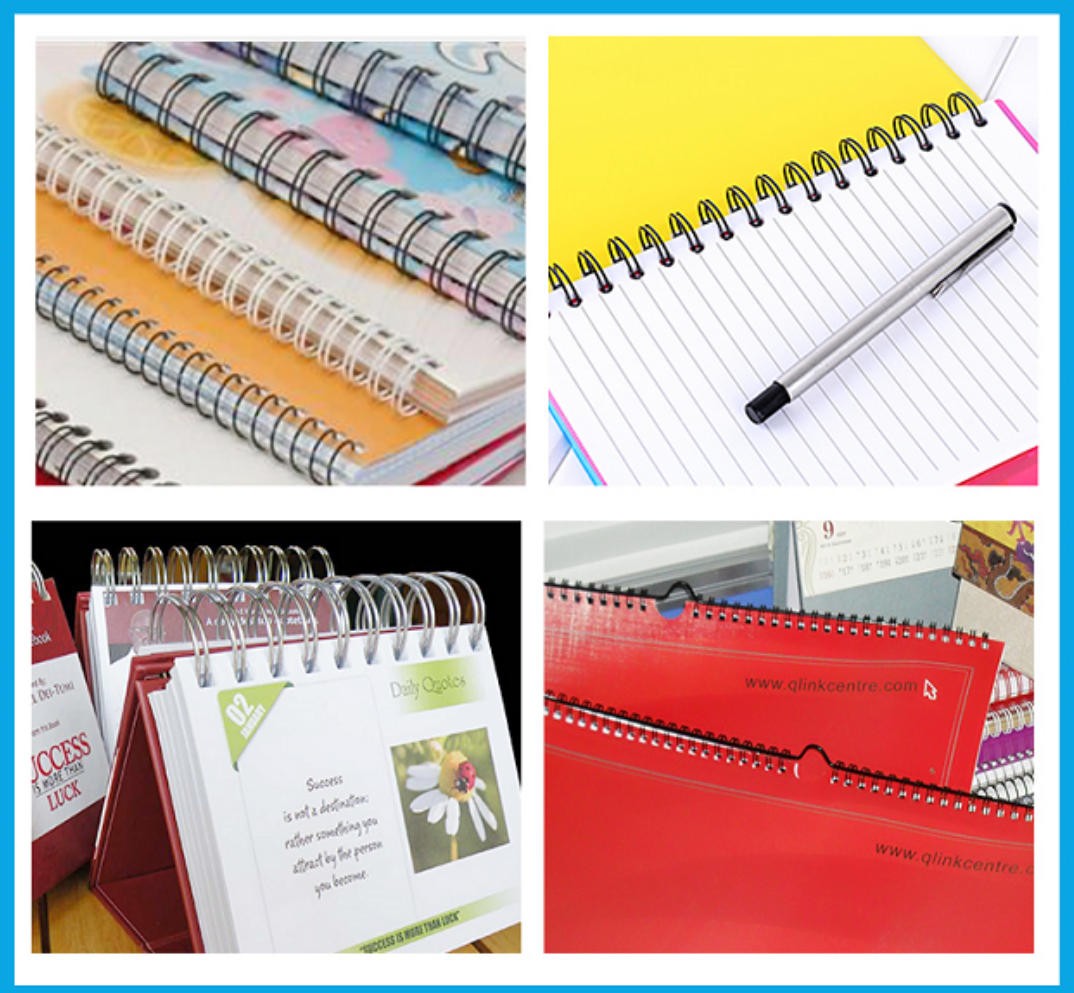
Sustainability is no longer optional — it’s a competitive advantage in book cover manufacturing.
💡 Industry Insight
A 2025 survey by the Intergraf (European Federation for Print and Digital Communication) found that 72% of print buyers now consider sustainability certifications when selecting suppliers — making green-capable book cover making machines essential for winning contracts.
5. The Self-Publishing Explosion: A New Market for Book Cover Machines
The self-publishing market has grown from a niche cottage industry to a $4.2 billion global powerhouse. Platforms like Amazon KDP, IngramSpark, and Lulu have democratized publishing, creating massive demand for short-run hardcover production.
Self-Publishing Growth Metrics (2020–2026)
| Metric | 2020 | 2023 | 2026 (Projected) |
|---|---|---|---|
| Titles Published Annually | 1.7 million | 2.3 million | 3.8 million |
| Hardcover Editions (%) | 8% | 15% | 28% |
| Average Print Run | 500 copies | 250 copies | 100 copies |
| Market Value | $1.8B | $2.9B | $4.2B |
Source: Bowker, ISBN Agency Reports, Industry Estimates
This trend creates a unique challenge: printers need book cover making machines that can handle frequent size changes, short runs, and diverse materials — all while maintaining cost efficiency. The KY-380 automatic hard cover making machine addresses this with rapid changeover capability and recipe-based production memory.
6. Regional Market Analysis: Where the Opportunity Lies
| Region | Market Share | Growth Rate | Key Drivers | Top Machine Demand |
|---|---|---|---|---|
| 🇪🇺 Europe | 32% | 3.2% | Premium editions, sustainability regulations | High-end automatic systems |
| 🇺🇸 North America | 28% | 4.1% | Self-publishing, collector editions | Versatile mid-range machines |
| 🌏 Asia-Pacific | 26% | 7.8% | Education expansion, export manufacturing | High-speed production lines |
| 🌍 Africa & ME | 8% | 9.4% | Educational infrastructure, government programs | Cost-effective automatic solutions |
| 🌎 Latin America | 6% | 6.5% | Growing literacy programs, local publishing | Semi-auto to auto upgrades |
Emerging markets in Asia and Africa represent the fastest-growing segments for book cover making machines.
“Asia-Pacific and Africa are where the next generation of book manufacturing capacity is being built. Printers in these regions are skipping the semi-automatic phase entirely and going straight to fully automatic book cover making machines.”
— Sarah Chen, Asia Print Technology Analyst7. ROI Analysis: The Business Case for Upgrading Your Book Cover Production
For printing and packaging businesses considering an investment in an automatic book cover making machine, the numbers tell a compelling story. Below is a typical ROI scenario based on a mid-sized commercial printing operation:
💰 12-Month ROI Projection: Automatic vs. Manual Production
Cost Savings (Annual)
Revenue Impact (Annual)
Combined Annual Benefit
$185,700
Typical payback period: 8–14 months
8. Future Trends: What’s Next for Book Cover Making Machines (2026–2030)
AI-Driven Quality Control
Machine learning algorithms will inspect every cover in real-time, automatically adjusting parameters to maintain zero-defect output. Computer vision will detect imperfections invisible to the human eye.
IoT-Connected Smart Factories
Book cover making machines will communicate with upstream printing presses and downstream binding equipment, creating seamless Industry 4.0 production workflows.
Digital Embellishment Integration
Inline digital foiling, spot UV, and texture printing will be integrated directly into the cover making process, enabling mass customization of premium book covers.
Hybrid Material Compatibility
Next-generation machines will process recycled boards, bio-plastics, fabric, leather alternatives, and smart materials with embedded NFC chips — all on a single production line.
The convergence of these technologies means that the book cover making machine of 2030 will look radically different from today’s equipment. However, forward-thinking manufacturers like Kylin Machine are already building the foundations with modular, upgradeable platforms that protect today’s investment.
Industry experts at Frankfurt Book Fair predict that by 2030, 85% of all hardcover books worldwide will be produced on fully automatic case-making lines, up from approximately 45% today.

AI and IoT technologies are transforming book cover making machines into intelligent manufacturing systems.
9. Conclusion: The Time to Invest is Now
The book cover manufacturing industry stands at a pivotal crossroads. The convergence of surging global demand, sustainability mandates, self-publishing growth, and technological innovation has created a once-in-a-generation opportunity for printers and packaging companies worldwide.
Companies that embrace automation with reliable, high-performance book cover making machines will not only survive — they will thrive. Those who delay risk falling behind competitors who are already operating at higher speeds, lower costs, and superior quality levels.
Whether you’re a small print shop looking to enter the hardcover market or a large publisher modernizing your production line, the right equipment partner makes all the difference.
Ready to Transform Your Book Cover Production?
Discover the KY-380 Automatic Hard Cover Making Machine — engineered for precision, built for productivity, designed for the future.
Related Topics
About Kylin Machine
Kylin Machine is a leading manufacturer of professional bookbinding and print finishing equipment, specializing in automatic hard cover making machines, book pressing machines, and complete book production line solutions. Trusted by publishers and printers in over 60 countries, Kylin Machine combines precision engineering with innovative technology to help businesses achieve higher productivity and superior book quality.
Disclaimer: Market data and projections referenced in this article are compiled from publicly available industry reports, manufacturer data, and analyst estimates. Actual figures may vary. This article is for informational purposes and does not constitute financial or investment advice. Product specifications for the KY-380 are available at kylinmachines.com.



Leave a Reply