


Sustainable Packaging Printing: The #1 Global Trend Reshaping 2026
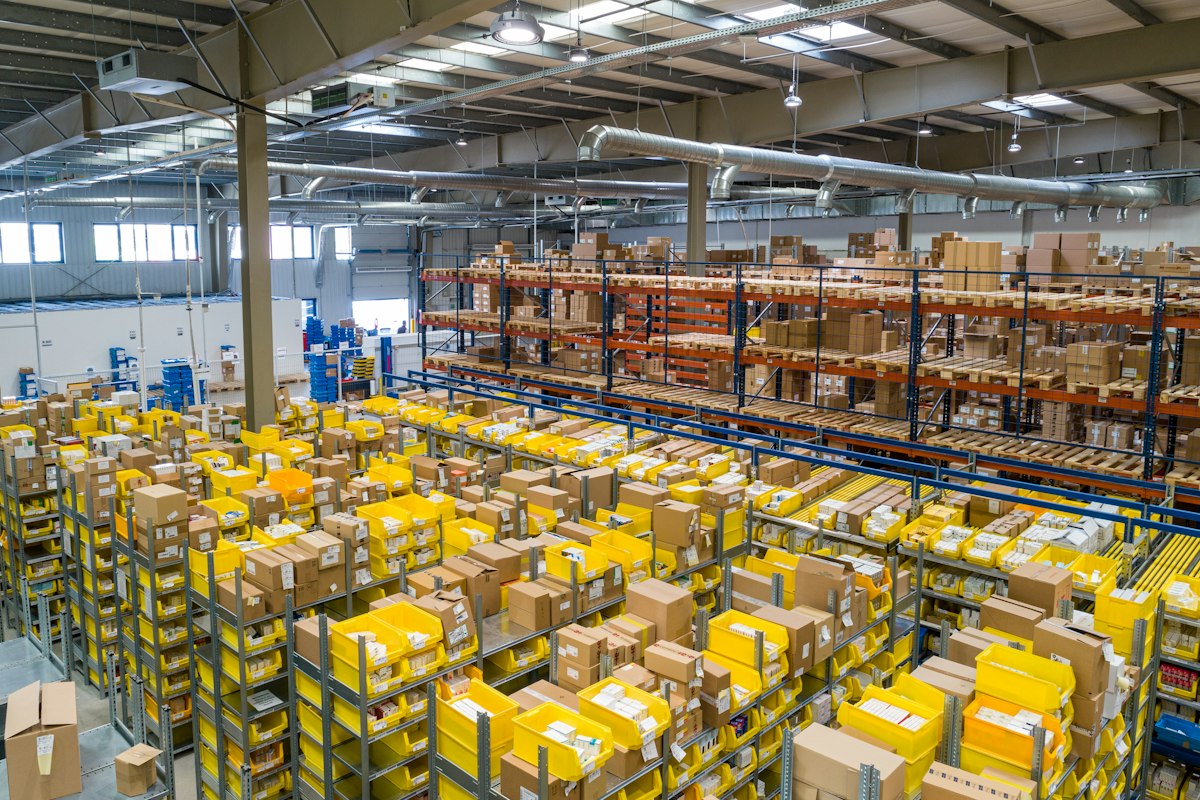
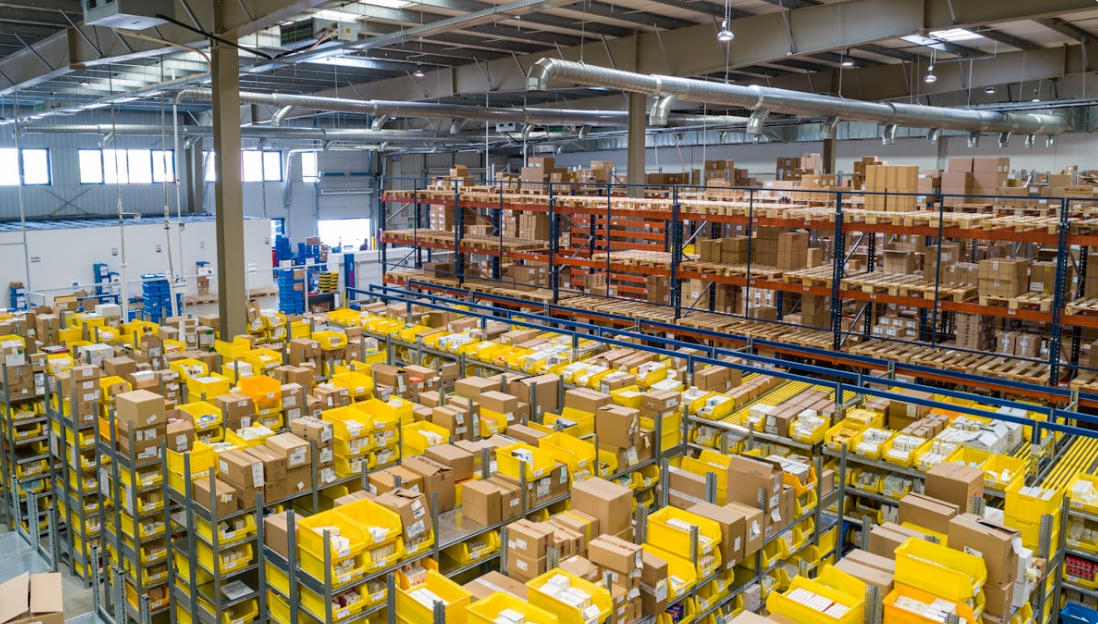
Modern packaging production lines are rapidly shifting toward sustainable, paper-based solutions. | Photo: Unsplash
The global printing and packaging industry is at a defining crossroads. In 2026, one trend towers above all others in boardrooms, factory floors, and regulatory chambers worldwide: sustainable packaging printing. Driven by tightening EU legislation, evolving consumer expectations, and a wave of next-generation printing technologies, the shift from plastic-heavy, wasteful packaging to eco-conscious, circular solutions is no longer optional — it is a legal and commercial imperative. This article breaks down what’s happening, why it matters, and what packaging manufacturers and printers must do right now.
Why 2026 Is the Year Everything Changes
Two seismic regulatory forces have converged to accelerate the sustainability revolution faster than the industry anticipated. The EU Packaging and Packaging Waste Regulation (PPWR), which takes full effect in August 2026, mandates that all packaging placed on the European market must be recyclable in an economically viable way by 2030. Simultaneously, the Extended Producer Responsibility (EPR) framework shifts financial accountability for packaging waste directly onto brand owners and manufacturers — meaning that a poorly designed, hard-to-recycle package carries a measurable cost from day one.
Even for manufacturers outside Europe, the ripple effects are unavoidable. Global brands selling into EU markets must comply across their entire supply chain. As one industry analyst put it: “If your clients sell globally, you are affected — period.”
— Mike Botzan, eLynxx Solutions
Consumer Demand Is Rewriting the Rules
The regulatory push is amplified by an equally powerful market pull. A 2026 survey across North American and European markets found that 60–70% of shoppers actively prefer recyclable or recycled packaging, and roughly 30–40% will switch brands when eco-credentials align with price and quality. Perhaps most telling: 40% of consumers actively avoid brands that use excessive packaging.
Generation Z is the most decisive driver. With 85% of Gen Z consumers prioritizing eco-friendly materials in their purchasing decisions, brand loyalty is increasingly won or lost at the point of unboxing. This has elevated packaging from a purely functional cost center to a strategic brand channel — one that must simultaneously protect the product, delight the consumer, and demonstrate environmental responsibility.
Paper-based and recyclable packaging now dominates luxury, food, and e-commerce sectors globally. | Photo: Unsplash
The Technologies Driving the Green Printing Revolution
1. Digital Printing: The Engine of Short-Run Sustainability
Digital printing has matured from a niche capability into a production workhorse. Digital label volumes are growing at 6–9% annually in leading markets, and plants adopting digital processes report 30–60% less make-ready waste on short runs compared to traditional analog methods. With brands managing 20–40% more SKUs while shortening product lifecycles, the economics of digital are now decisive. On-demand printing also eliminates over-production — a key contributor to packaging waste.
2. Water-Based & Soy-Based Inks
The ink revolution is quietly transforming the environmental profile of printed packaging. Water-based inks are rapidly becoming the industry standard for paper substrates, facilitating easier de-inking and recycling. Soy-based inks, meanwhile, can reduce VOC emissions by up to 80% compared to conventional petroleum-based inks. For food and pharmaceutical packaging, low-migration ink formulations are also rising, meeting both safety and sustainability benchmarks simultaneously.
3. LED-UV Curing Technology
Energy consumption on the production floor is under the microscope. LED-UV curing systems deliver a 15–25% reduction in energy use compared to conventional mercury-UV systems — a significant gain for large-volume operations. Combined with heat-recovery systems, plants running LED-UV are reporting kWh-per-pack figures that are typically 5–15% below conventional baselines. This matters not only for carbon reporting but for bottom-line operational costs.
4. Smart & Connected Packaging
Smart packaging is bridging the physical and digital worlds. QR codes, GS1 Digital Links, and RFID tags are being integrated directly into the print process, enabling Digital Product Passports (DPPs) — a growing EU requirement that provides consumers with full lifecycle transparency. For printers, the ability to print high-speed variable data is now a baseline competency, not a premium add-on.
Printing Technology Comparison for Sustainable Packaging (2026)
| Technology | Best For | Sustainability Advantage | Run Length | Adoption Rate |
|---|---|---|---|---|
| Digital Inkjet | Labels, folding cartons, short-run | 30–60% less make-ready waste; on-demand, zero over-production | Short – Medium | High ▲ |
| Flexography | Corrugated, flexible films, food | Compatible with water-based inks; fast & efficient at scale | Long | Dominant |
| Offset Lithography | Folding cartons, paper wraps, luxury | High-quality FSC paper compatibility; soy ink ready | Medium – Long | Stable |
| Hybrid Flexo + Digital | Labels, variable data, pharma | Optimal waste reduction across mixed run lengths | Short – Long | Growing ▲ |
| LED-UV Offset | Premium packaging, cosmetics | 15–25% energy saving vs. mercury UV; no ozone emissions | Medium – Long | Rising |
| Screen Printing | Specialty & textured finishes | Limited sustainability benefits; niche applications | Short | Declining |

Digital printing platforms now produce premium-quality, short-run sustainable packaging at industrial speeds. | Photo: Unsplash
The Rise of Paper-Based & Bio-Based Materials
“Paperization” — the strategic replacement of plastic with paper wherever functionally viable — is the single most visible material shift in 2026. Paper and paperboard now commands 41.38% of the global sustainable packaging market share, driven by its renewability, biodegradability, and recyclability. Paper-based flexible packaging is growing 2× faster than plastic flexible packaging, and FSC-certified paper packaging has grown by 20% in three years.
Beyond paper, material science is delivering a new generation of bio-based alternatives: mycelium (mushroom) packaging, seaweed-derived films, and agricultural-waste composites are entering commercial production. These substrates challenge conventional printing chemistry — water-based inks and UV coatings must be reformulated for compatibility. Manufacturers who invest in substrate-agnostic machinery gain a crucial competitive edge.
Global Market Snapshot: Sustainable Packaging Printing 2026
| Region / Segment | Market Value / Growth | Key Driver |
|---|---|---|
| North America – Sustainable Packaging | USD $130.59 Billion (2026) | Government regulation, retailer mandates, consumer pressure |
| Global Digital Packaging Print CAGR | 9.1% (2022–2030) | SKU proliferation, short-run demand, on-demand e-commerce |
| Asia-Pacific Label Printing | Growing 2–4× faster than EU & NA | E-commerce boom, rising middle-class, FMCG expansion |
| Biodegradable Plastic Packaging | $12 Billion by end of 2026 | Single-use plastic bans, EPR regulations, PPWR compliance |
| Southeast Asia Textile Print | 12% CAGR | Fast fashion demand, on-demand digital production |
| Sustainable Packaging CAGR (North America) | 7–10% through mid-2020s | Circular economy mandates, FSC/PEFC procurement specs |
What Packaging Manufacturers Must Do Right Now
The data is unambiguous: companies that act decisively on sustainability will capture market share; those that delay will face both regulatory penalties and commercial obsolescence. Here is a practical action checklist for 2026:
- Audit your material supply chain — ensure paper sourcing is FSC/PEFC certified to comply with EUDR and retailer RFPs now specifying 30–50% post-consumer fiber.
- Invest in digital printing capability — short runs (under 5,000 units) now represent 40–50% of many converters’ SKU mix. Digital is no longer optional.
- Transition to water-based or soy-based inks — facilitate de-inking, improve recyclability grades, and reduce VOC liability simultaneously.
- Implement LED-UV curing — cut energy costs by up to 25%, eliminate ozone emissions, and future-proof against tightening VOC regulations.
- Integrate smart labeling (QR/RFID) — position your operation to produce Digital Product Passports and serialized traceability codes at production speed.
- Reassess finishing choices — avoid multi-layer laminates and metallized coatings that compromise recyclability; explore cold foil and hot-stamp alternatives.
- Invest in packaging machinery built for eco substrates — paper-based and bio-based materials require precise tension control, gentle forming, and compatible adhesive systems.
The Outlook: A Greener, Smarter, More Competitive Industry
The printing and packaging industry in 2026 is not simply “going green” — it is being fundamentally restructured. Sustainability is the engine of innovation across materials science, digital technology, machinery design, and regulatory frameworks. Companies that embrace this transformation will find themselves at the center of a market growing at 7–10% CAGR, serving consumers who actively reward eco-credentials and regulators who will penalize inaction.
As industry analysts note, the question for packaging businesses in 2026 is no longer whether to adopt sustainable practices — it is how fast and how deeply. The winners will be those who treat sustainability not as a compliance burden, but as a strategic platform for differentiation, customer loyalty, and long-term profitability.
For machinery manufacturers and packaging producers alike, the imperative is clear: build for the circular economy from day one. Every press, every production line, every substrate choice must be evaluated through the lens of recyclability, energy efficiency, and material traceability. The future of printing is sustainable — and that future is already here.
Ready to Future-Proof Your Packaging Production?
Kylin Machine designs and manufactures advanced packaging machinery engineered for the era of sustainable, high-efficiency production. From precision paper box forming to automated labeling systems — our equipment is built to help you meet 2026’s demands and beyond.
🌿 Explore Kylin Packaging Machines →Tags:
© 2026 Kylin Machine. All rights reserved. | View Our Machines




Leave a Reply