


The Ultimate Buying Guide for Small Batch Rigid Box Production Equipment in 2026
Introduction to Small Batch Rigid Box Production
In today’s fast-paced and highly competitive packaging industry, the demand for highly customized, premium packaging is skyrocketing. From limited-edition luxury goods to boutique cosmetics, high-end electronics, and personalized corporate gifts, brands are increasingly looking for ways to stand out on the retail shelf and provide an unforgettable unboxing experience. This paradigm shift has made small batch rigid box production a highly lucrative and absolutely essential capability for modern packaging manufacturers. Instead of relying solely on mass production, investing in the right equipment for small-scale runs allows businesses to offer unparalleled flexibility, reduce inventory overhead, and deliver bespoke luxury packaging with rapid turnaround times.
Rigid boxes, often referred to as set-up boxes, are renowned for their durability, premium feel, and elegant presentation. However, traditional rigid box making machines are primarily engineered for massive, continuous production runs. If you are looking to upgrade your facility, pivot to high-margin custom orders, or start a new packaging line from scratch, selecting the right machine is critical to your success. This comprehensive buying guide will walk you through everything you need to know—from essential features to parameter comparisons—to make an informed decision when purchasing equipment for small batch rigid box manufacturing.
Why Invest in Small Batch Rigid Box Production?
As consumer preferences shift toward personalization and exclusivity, the “one size fits all” approach to packaging is becoming obsolete. Brands now require packaging solutions that align with short product lifecycles and targeted marketing campaigns. While traditional high-volume production lines are highly efficient for mass markets, they often require extensive setup times and expensive mold changes, making them wildly impractical and unprofitable for order quantities ranging from 500 to 5,000 units. By investing in dedicated equipment for small batch rigid box production, you unlock several key competitive advantages:
- Agility and Quick Turnaround: The ability to respond rapidly to seasonal trends, holiday specials, or limited-edition product launches gives your clients the speed-to-market they desperately need.
- Reduced Waste and Lower Inventory: Small batch production allows you to produce exactly what the client needs, significantly reducing the costs associated with overstocking materials, warehousing unsold boxes, and disposing of obsolete packaging.
- High Margin Customization: By offering premium, tailor-made solutions for specialized markets—such as a jewelry box machine setup for independent jewelers, an eyewear box machine for boutique optical brands, or a magnet closure box machine for luxury spirits—you can command significantly higher profit margins compared to standard folding cartons.
- Prototyping and Sample Making: A flexible small batch line also serves as an excellent system for rigid box sample making, allowing you to provide clients with physical proofs before they commit to larger orders.
Key Features to Look for in a Rigid Box Machine for Small Batches
When evaluating a box forming machine or piecing together a complete rigid box production line specifically tailored for small volumes, it is imperative to prioritize features that enhance operational flexibility, minimize downtime, and ensure top-tier quality.
1. Quick Changeover and Easy Setup
The single most crucial feature for profitable small batch production is the ability to switch between different box sizes, shapes, and styles quickly. In short runs, setup time directly eats into your profit margin. Look for machines equipped with advanced PLC touchscreen controls, servo motors, and programmable memory that can save previous job settings. Tool-less adjustments and modular molds can reduce changeover times from hours to just 10-15 minutes.
2. Precision and High-Quality Finishing
Luxury packaging demands absolute perfection. Any flaw in the wrapping or structural integrity will instantly degrade the perceived value of the product inside. Ensure the machine provides precise V grooving capabilities for sharp, crisp 90-degree edges. Furthermore, a high-quality corner taping machine integration is vital to guarantee that the box base maintains its perfect rectangular shape before the outer decorative paper is applied.
3. Versatility and Modular Design
Your equipment should be versatile enough to handle a vast array of designs without requiring completely different production lines. Whether your clients need a standard two-piece setup box, an integrated lid design created by a magnet closure box machine, or specialized inserts for cosmetics, your core forming equipment must adapt easily to different depths, widths, and paper thicknesses.
4. Efficient and Clean Glue Application
A reliable glue machine for packaging is essential to prevent bubbling, warping, or weak adhesion—issues that plague low-quality packaging. For small batches, hot melt gluing systems with precise temperature control and even distribution rollers ensure a flawless finish, even when working with delicate specialty papers, faux leathers, or textured foils.
5. Compact Footprint and Energy Efficiency
Unlike massive, factory-spanning automated lines, small batch machines should ideally have a compact footprint, allowing them to fit into smaller production facilities or alongside existing machinery. Additionally, look for energy-efficient motors that reduce operational costs during intermittent use.
Essential Equipment for a Complete Production Line
To establish a fully functional and highly capable small batch facility, you will need a strategic combination of machines. Depending on your budget and floor space, you can opt for semi-automatic standalone units or a tightly integrated modular rigid box production line.
- V Grooving Machine: This is an absolutely essential piece of equipment for cutting precise V-shaped grooves into the thick greyboard. This process replaces traditional scoring or creasing, allowing for the sharp, luxurious, and perfectly flat edges characteristic of premium rigid boxes.
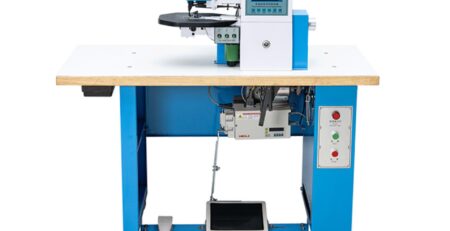
- Corner Taping Machine: Once the greyboard is grooved and folded into a box shape, the corner taping machine applies heat-activated adhesive tape to secure the four corners, forming the sturdy, unyielding base of the box.
- Glue Machine for Packaging: This machine applies a remarkably thin, perfectly even layer of hot melt or cold glue to the decorative wrapping paper, preparing it for the forming process without causing the paper to warp or bleed.
- Box Forming Machine: The core unit of your operation. It takes the glued wrapping paper and the taped greyboard base, wrapping the paper seamlessly around the exterior and folding the edges neatly inside the box for a pristine finish.
As your business expands, many modern packaging manufacturers also choose to integrate complementary equipment, such as a paper bag machine to provide matching retail shopping bags, or a book binding machine to offer clients a complete suite of printed materials, brand lookbooks, and customized inserts.
Small Batch Rigid Box Machine Parameters
Before finalizing your investment, it is vital to compare the technical specifications of different models to ensure they align with your production goals. Below is a detailed parameter table for a high-quality, semi-automatic rigid box making machine specifically optimized for small batch production:
| Parameter | Specification Range | Notes for Small Batch Focus |
|---|---|---|
| Production Speed | 10 – 25 pcs/min | Speed is secondary to quick setup; 15 pcs/min is highly profitable for runs under 1,000. |
| Max Box Size (L x W x H) | 400mm x 300mm x 120mm | Accommodates most luxury apparel, electronics, and standard gift boxes. |
| Min Box Size (L x W x H) | 50mm x 50mm x 15mm | Critical capability for an eyewear box machine or jewelry box machine. |
| Paper Thickness | 100g – 200g/m² | Must handle everything from standard coated paper to textured specialty art paper. |
| Cardboard Thickness | 1mm – 3mm | 1.5mm to 2mm is standard for luxury rigid boxes; 3mm provides maximum durability. |
| Power Supply | 220V / 380V, 50/60Hz, 3-5 kW | Low power consumption ensures cost-effective operation for intermittent batches. |
| Changeover Time | 10 – 15 minutes | This is the most critical metric. Fast changeover equals higher daily throughput of varied orders. |
Frequently Asked Questions (FAQ)
1. What is the ideal production speed for small batches?
For small batch runs (typically under 2,000 units), an extreme production speed is far less important than a rapid setup and changeover time. A semi-automatic machine that runs at 15-20 pieces per minute but takes only 10 minutes to change over to a new size is exponentially more profitable and practical than a fully automatic, high-speed machine that runs at 40 pieces per minute but requires two to three hours and an expert technician to set up.
2. Can these machines handle luxury packaging and intricate jewelry box making?
Absolutely. Modern semi-automatic machines are specifically engineered to handle the intricate and precise designs required by the luxury packaging machine sector. Because operators have more control during the forming process, these machines offer the pinpoint precision necessary for small, detailed items, functioning perfectly as a dedicated jewelry box machine or for high-end cosmetics packaging.
3. Do I need a fully automatic or semi-automatic machine?
For the vast majority of small batch operations, semi-automatic machines are highly recommended. They are significantly more affordable, require a much smaller footprint, are easier to maintain, and most importantly, offer much faster changeover times between different box styles. Fully automatic lines are better suited for massive, continuous, high-volume production where the machine runs the same box size for days or weeks at a time.
4. How important is the V grooving machine in the production process?
A V grooving machine is absolutely non-negotiable for high-end, luxury rigid boxes. Traditional die-cutting or half-cutting leaves rounded, thick, and sometimes bulging edges. V-grooving, on the other hand, cleanly removes a precise wedge of the greyboard, allowing the board to fold into a perfectly sharp, crisp 90-degree corner. This sharp edge is the defining visual and tactile characteristic of premium luxury packaging.
5. Can I use the same machine for rigid box sample making?
Yes, semi-automatic machines are excellent for rigid box sample making. Because the setup time is minimal and they do not require expensive custom tooling for every slight size variation, you can easily produce a run of 5 to 10 prototype boxes for client approval before proceeding with the full production batch.
Conclusion
Investing in the right equipment for small batch rigid box production is a strategic, forward-thinking move that can significantly elevate your packaging business and open doors to highly lucrative niche markets. By prioritizing quick changeover times, unyielding precision, and versatile capabilities, you can efficiently cater to the booming market for custom luxury packaging. Whether you are producing bespoke corporate gift boxes, premium eyewear cases, limited-edition cosmetics lines, or high-end electronics packaging, having reliable and adaptable machinery ensures you deliver top-tier quality every single time.
Are you ready to upgrade your packaging capabilities and take your production line to the next level? Explore our extensive range of high-performance packaging equipment at Kylin Machines. Our dedicated team of engineers and packaging experts is ready to help you configure the perfect production line tailored exactly to your specific operational needs and budget.
Contact us today for a free consultation, machine demonstration, and personalized quote!
WhatsApp: +86-13809820550

Leave a Reply