


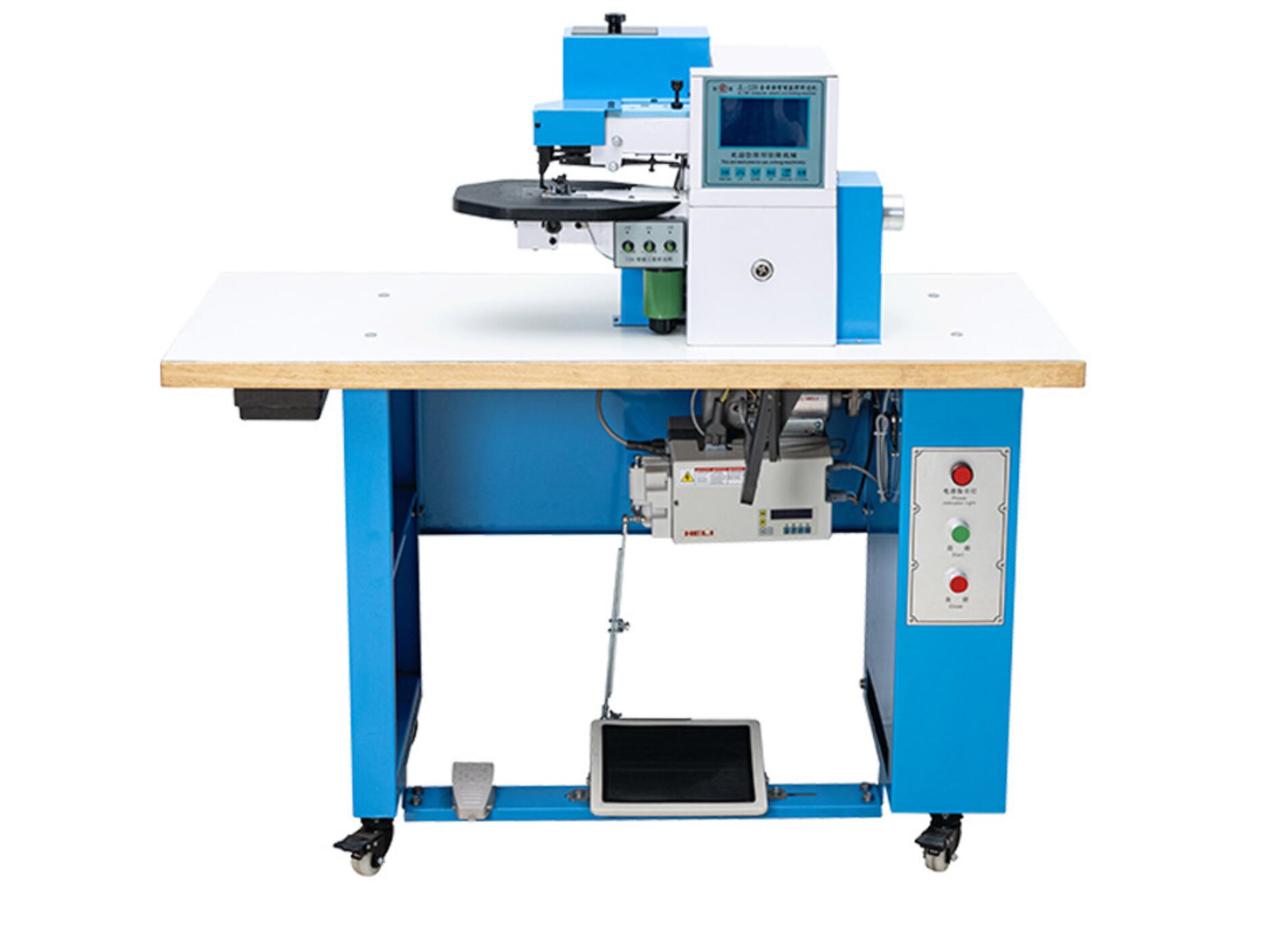
Jewelry Box Pad Forming Machine: Complete Buyer’s Guide 2026
If you manufacture luxury jewelry packaging — ring boxes, necklace cases, bracelet trays, or watch cushions — you already know the bottleneck: wrapping the inner pads by hand is slow, inconsistent, and expensive.
A jewelry box pad forming machine eliminates that bottleneck. It automates the full gluing-and-folding cycle, replacing 2–4 manual workers with a single servo-driven machine that runs at 800–1,200 pads per hour with near-zero defects.
This guide covers everything: how these machines work, what separates a good model from a bad one, real cost-of-ownership numbers, and why the KY-686 is the machine most jewelry packaging factories are switching to in 2026.
In This Guide
1. What Is a Jewelry Box Pad Forming Machine?
A jewelry box pad forming machine is a specialized packaging machine that wraps and folds fabric or paper covering material over a foam or cardboard pad substrate — producing the soft interior inserts found inside luxury jewelry boxes.
These pads serve two purposes: protection (cushioning against shock and scratches) and presentation (the velvet or satin surface that makes a jewelry box feel luxurious when opened).
Traditionally, this wrapping is done by hand — workers apply glue with a brush, lay the cover material, then fold the edges one by one. It’s labor-intensive, slow (a skilled worker produces 80–120 pads/hour at best), and prone to uneven glue coverage and misaligned folds.
Key definition: A jewelry box pad forming machine does in one automated cycle what takes a human 45–60 seconds — glue application, material positioning, edge folding, and corner trimming — in under 4 seconds per pad.
2. How It Works — Step by Step
Modern jewelry pad forming machines like the KY-686 complete the full forming cycle in 4 stages:
Cover Material Feed
The wrapping material (velvet, satin, leather) is placed on the feed platform. The machine positions it precisely over the foam pad core using servo-controlled guides.
Automatic Gluing
Hot-melt glue is applied evenly across the pad edges by the machine’s glue system — consistent coverage every cycle, no brush-stroke variations or dry spots.
Four-Side Edge Folding
The folding arm presses and folds all four sides of the cover material over the pad core in a single press cycle. Folding width is steplessly adjustable from 3–6.5 mm.
Corner Trimming & Output
Automatic tooth-cutting trims inner corner curves cleanly. The finished pad ejects to the output tray — ready for direct insertion into the jewelry box.
3. Manual vs. Machine: The Real Numbers
The productivity gap is larger than most factory owners expect:
| Metric | Manual (4 workers) | KY-686 (1 operator) |
|---|---|---|
| Output / hour | 320–480 pads | 800–1,200 pads |
| Defect rate | 3–8% | <0.5% |
| Glue consistency | Variable | Uniform ±0.1 mm |
| Size changeover | 5–15 min | <10 min (servo auto) |
| Labor cost / 10k pads | ~$120–180 | ~$25–35 |
| Fatigue / shift variation | High (quality drops after 4h) | None |
For a factory producing 50,000 jewelry box inserts per month, switching from manual to a KY-686 typically reduces pad production labor cost by 70–80% and eliminates the quality variation that leads to customer complaints and returns.
4. Five Specs That Actually Matter When Buying
Machine spec sheets list dozens of numbers. Here are the five that actually determine whether a jewelry pad forming machine fits your production:
5. Which Jewelry Pads Can It Make?
The KY-686 handles the full range of jewelry box inserts used in fine jewelry and luxury packaging:
Ring Pads & Slots
Velvet-wrapped foam ring slots for single, double, and multi-ring boxes
Necklace Inserts
Long-form satin-wrapped foam inserts for necklace and pendant boxes
Bracelet Trays
Wide-format cushion trays for bangle and charm bracelet packaging
Watch Cushions
Cylindrical and block cushions for luxury watch presentation boxes
Earring Cards
Slim padded insert cards for earring retail packaging
Custom Inserts
Non-standard shapes for bespoke luxury jewelry presentation sets
6. KY-686 Full Breakdown
The KY-686 Jewelry Box Pad Forming Machine from Kylin Machinery is the only fully automatic jewelry pad former with a servo electronic motor, microchip processing circuit, and automatic tooth-cutting system at this price point.
Watch It Running
7. Cost & ROI
The upfront cost of a fully automatic jewelry box pad forming machine is higher than manual labor for the first few months. But the math flips quickly:
Sample ROI Calculation — 50,000 Pads/Month Factory
| Manual labor cost (4 workers × $600/mo) | $2,400/month |
| KY-686 operator cost (1 worker × $600/mo) | $600/month |
| KY-686 energy cost (~$0.10/hr × 8hr × 26 days) | ~$21/month |
| Defect savings (3% defect rate reduction × $0.15/pad) | +$225/month |
| Total monthly saving | ~$2,004/month |
| KY-686 payback period | ~5–6 months |
After payback, the KY-686 saves approximately $24,000/year compared to equivalent manual production — for a factory running a single 8-hour shift, 26 days/month.
8. Frequently Asked Questions
Explore More Kylin Jewelry Packaging Machines
Ready to Automate Your Jewelry Pad Production?
Get a factory-direct KY-686 quote within 24 hours. Trusted by jewelry packaging factories in 30+ countries.

Leave a Reply