


Eyewear Box Machine Buying Guide: Match Case Styles, Materials, and Output in 2026
If you are shopping for an eyewear box machine in 2026, the biggest mistake is to compare machines by speed alone. Eyeglass and sunglasses packaging usually sits in the premium segment, which means the machine has to do more than make a box. It must support the right case style, wrap material, edge quality, production volume, and brand presentation. A line that works well for a jewelry box or phone box may still be a poor fit for a glasses case if the dimensions, hinge structure, or wrap material are different.
This buying guide is designed for packaging converters, rigid box factories, gift box plants, and eyewear brands that want a smarter way to evaluate equipment. Instead of asking, “What is the fastest machine?” ask, “What machine setup matches my eyewear case type, finish level, and monthly output?” Once you focus on that question, it becomes easier to choose the right combination of box forming, grooving, wrapping, and automation.
Why Eyewear Packaging Needs a Specialized Approach
Eyewear packaging looks simple, but it has strict quality demands. Most buyers need a box that protects frames from pressure, presents the brand in a premium way, and works with inserts such as EVA, sponge, flocked trays, satin cloth, or microfiber. In many projects, the outer shell also needs crisp corners, wrinkle-free wrapping, and clean magnetic or flap closure performance.
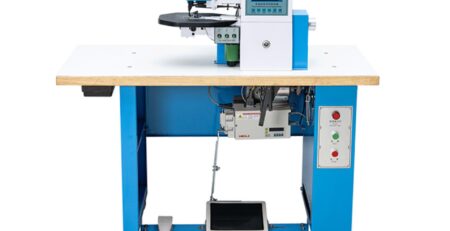
That is why an eyewear box machine should be evaluated as part of a packaging process, not as a single isolated unit. The best solution may include an Automatic V Grooving Machine for accurate board preparation, a Rigid Box Machine for stable forming, and a dedicated Glasses Box Making Machine for premium wrapping and finishing.
Start With the Box Style You Actually Sell
Before you compare suppliers, define your main eyewear box styles. This step matters because different structures create different equipment needs.
Clamshell or Flip-Top Cases
These are common in fashion sunglasses and mid-to-high-end optical packaging. Buyers usually care about edge wrapping quality, hinge area neatness, and premium touch. Machines with stable wrapping pressure and precise edge folding are usually the better fit.
Book-Style Rigid Boxes
These are often used when the brand wants a luxury unboxing experience. They may include magnets, ribbon pulls, or printed inner panels. If this is your main product, you should pay close attention to board positioning accuracy and compatibility with add-on operations.
Drawer or Slide Cases
Some eyewear accessories and gift sets use drawer structures. In this case, machine flexibility matters more because the sleeve and tray dimensions must stay consistent. If your product mix changes often, fast changeover becomes a priority.
Soft-Wrap Leather Cases
Premium eyewear collections often use PU, leather-look paper, or textured wraps. That raises the bar for heating control, surface tension, and wrinkle management. A machine built for premium leather wrapping can deliver a very different result from a general-purpose rigid box line.
Key Parameters to Compare Before You Buy
| Parameter | What to Check | Why It Matters for Eyewear Boxes |
|---|---|---|
| Box size range | Minimum and maximum workable case dimensions | Eyewear cases are often narrow and long, so not every box machine handles them efficiently |
| Material compatibility | Grey board, art paper, PU, leather paper, specialty wrap | Premium brands often change surface materials by season or collection |
| Board thickness | Typical supported thickness range | Too thin reduces protection; too thick affects folding and clean edges |
| Wrapping precision | Edge folding quality, corner cleanliness, pressure consistency | Surface defects are easy to see on small luxury eyewear cases |
| Output speed | Pieces per hour or per minute in real production | Helps determine labor planning and machine ROI |
| Changeover time | Time needed for a new size or style | Important for mixed orders and private-label production |
| Positioning accuracy | Board alignment and forming repeatability | Prevents uneven lids, poor fit, and premium-quality complaints |
| Glue system | Hot melt, cold glue, or hybrid process | Affects bond strength, drying behavior, and surface cleanliness |
| Labor requirement | Operators needed per machine or line | Useful for ROI analysis, especially in high labor-cost regions |
| Expandability | Can it connect with grooving, forming, robot spotting, or wrapping units? | Lets you scale from semi-auto to higher automation later |
How to Match the Machine to Your Production Volume
Production volume should shape your machine decision just as much as box style.
Small Batch or Sampling
If you make many sample runs, private-label projects, or seasonal collections, flexibility is more important than top speed. You need quick setup, easy operator adjustment, and stable results on short runs. In this scenario, a semi-automatic or modular solution often gives better ROI than a heavy fully automatic line.
Medium Batch Reorders
If your factory handles repeated orders from distributors or eyewear chains, look for a balance between flexibility and throughput. Machines that maintain alignment well and reduce operator dependency can improve consistency across reorders.
Large Volume OEM Production
If you serve large sunglasses brands or export buyers, you should focus on automation, repeatability, and lower labor input. A connected system with accurate grooving, stable forming, and premium wrapping becomes more important than relying on manual finishing skill.
What Separates a Good Machine From a Good Investment
Two machines may produce a similar box on day one, but they do not always create the same business result over the next three years. A smart purchase should improve more than output. It should also reduce waste, training time, and rework.
When evaluating suppliers, ask these practical questions:
- Can the machine run your actual eyewear box samples, not just standard demo boxes?
- How stable is the wrapping quality on textured paper or PU material?
- How many operators are needed during normal production?
- How quickly can the machine change size between different case formats?
- Can the supplier support installation, training, spare parts, and process guidance?
Kylin Machines is a strong fit for this category because the product range covers both broad rigid box automation and more specialized eyewear case finishing. That means buyers can start with the process stage that is currently limiting production and expand later instead of replacing the whole line too early.
Recommended Buying Paths for Different Factories
For Premium Eyewear Brands or High-End Gift Packaging Suppliers
Start by reviewing the Glasses Box Making Machine. It is particularly relevant when presentation quality, wrap neatness, and premium materials matter most.
For Rigid Box Factories Expanding Into Eyewear
Consider a broader Auto Rigid Box Machinery setup if you already handle gift boxes, cosmetic boxes, or jewelry boxes and want to add eyewear cases without building a totally separate process.
For Plants With Board Preparation Bottlenecks
If edge quality and board folding accuracy are inconsistent, start upstream with an Automatic V Grooving Machine. Better board preparation often improves the final case more than expected.
FAQ
What is the best eyewear box machine for a startup factory?
The best option is usually not the most automated one. Startups often benefit more from a flexible semi-automatic or modular solution that can handle short runs, sample development, and multiple case sizes with lower investment risk.
Can one machine make sunglasses boxes, optical boxes, and gift cases?
Sometimes yes, but only if the size range, board thickness, and wrapping materials are compatible. This is why sample testing is essential before purchase.
Which matters more for eyewear packaging: speed or wrapping quality?
For premium eyewear packaging, wrapping quality usually matters more. A fast machine that creates wrinkles, poor corners, or alignment issues can cost more through rejects and customer complaints.
Should I buy a full line or one machine first?
If one step is already limiting production, buy that stage first. Many factories begin with grooving, forming, or premium wrapping and then expand once order volume becomes more stable.
Final Recommendation
The right eyewear box machine is the one that matches your real product mix, not the one with the biggest brochure numbers. Define your case styles, confirm your material range, estimate your monthly output, and then compare machines by process fit, not by headline speed. If you want help matching an eyewear packaging project to the right equipment, contact Kylin Machines on WhatsApp +86-13809820550 for sample evaluation and machine recommendations.

Leave a Reply