


PACK EXPO 2026: Adaptive Automation for Packaging
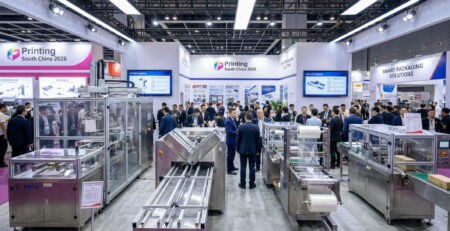
PACK EXPO 2026 is beginning to show a clear direction for packaging machinery investment: buyers are no longer looking only for faster single machines. They are looking for packaging systems that can handle more product variation, shorter runs, tighter footprints, and faster commissioning without adding engineering complexity. One of the more useful signals this month comes from ABB’s Machine Automation division (B&R), which says it will use PACK EXPO International 2026 to showcase adaptive automation technologies built around intelligent motion control, simulation, compact product handling, and more flexible machine design.
That matters because this is not just a booth announcement. It reflects the real operating pressure inside modern packaging plants. Manufacturers in food, beverage, consumer goods, and premium packaging are all dealing with the same changes: more SKUs, more format variation, higher hygiene expectations, less tolerance for downtime, and greater pressure to bring new lines online faster. In that environment, “faster” is no longer enough. The stronger competitive advantage is adaptability.
What B&R Is Highlighting at PACK EXPO 2026
According to the September preview, B&R will present automation solutions designed to help machine builders and packaging manufacturers improve flexibility, performance, and time-to-market. The showcase includes a compact conveyor demonstration with integrated diversion, plus digital engineering and simulation tools such as ACOPOS 6D LaunchPad. The message is straightforward: future packaging lines need to become easier to model, faster to commission, and more efficient in smaller footprints.
That is especially important for factories trying to upgrade existing lines instead of rebuilding the whole plant from zero. A compact conveyor and diversion concept is attractive not only because it saves space, but because it helps the line adapt to different production requirements without creating a larger mechanical layout problem. In practical terms, that means easier routing, less wasted floor space, and more freedom to adjust product flow as packaging formats change.
Why Simulation Is Becoming a Packaging Buying Factor
Commissioning speed is now part of ROI
One of the strongest points in the B&R announcement is its emphasis on simulation before hardware installation. With virtual engineering tools, machine builders can model layouts, transport flow, and production scenarios before equipment is installed. That reduces engineering risk and shortens commissioning. For packaging buyers, that matters because the cost of delay is often larger than the cost of the machine option itself. A system that goes live faster starts paying back faster.
Packaging lines are too variable for static planning
Older packaging layouts were often built around one or two stable product formats. That logic is weaker in 2026. More plants now run mixed-format schedules, seasonal product shifts, and private-label variation. Simulation tools help buyers and builders validate whether a concept still works when product flow, routing, or handling sequences change. In other words, simulation is no longer only an engineering convenience. It is becoming a commercial filter for line decisions.
Why Compact, Adaptive Product Handling Matters
More SKU pressure means more routing pressure
As more packaging operations move toward short and medium runs, internal product handling becomes more important. The line must route, divert, buffer, and transfer products cleanly without losing throughput. A compact conveyor concept with integrated diversion addresses exactly that pressure. It supports better handling density in a smaller footprint, which is critical for factories that need to expand capacity without adding a new building.
Smaller footprint is not only a space issue
When equipment is more compact, the advantages go beyond square meters. Shorter transport paths can simplify integration, reduce maintenance points, and make line balancing easier. That is why compact automation keeps appearing in 2026 machinery news: it improves space efficiency, but it also improves operational clarity.
What the Market Data Says
The wider market supports this direction. One 2026 industry outlook estimates the global packaging equipment market at USD 44.30 billion in 2026, with projected growth to USD 65.58 billion by 2036. That growth is being driven by automation investment, labor optimization, traceability, and the need for more flexible manufacturing. Put simply, more factories are being asked to produce more packaging variants with fewer people and less waste. That is exactly why adaptive automation is becoming more commercially meaningful.
B&R’s focus on integrated motion, product handling, and digital engineering fits that market reality. Packaging automation is no longer only about mechanical throughput. It is about how quickly a machine can adapt when the production environment changes.
What This Means for Packaging Machinery Buyers
Review upgrade logic, not only new-machine logic
Many factories do not need to replace every machine in the line at once. They need better transport logic, easier format adaptation, or stronger control integration around the machines they already use. News like this is useful because it shifts the buying question from “What is the fastest new machine?” to “Which upgrade path removes the most friction from the current workflow?”
Expect digital engineering to move upstream in the sale
More buyers will start asking suppliers to validate line behavior earlier, before mechanical installation. That means simulation, routing logic, and commissioning strategy will become part of the conversation earlier in the project. Suppliers that can support that process will look stronger, even if their headline speed numbers are similar to competitors.
What Kylin Buyers Should Take From This
Kylin buyers working in rigid boxes, hard covers, and premium packaging should read this trend carefully. Even when the end product is different from a food or consumer goods line, the buying logic is similar: factories want less manual intervention, cleaner flow between stations, shorter changeovers, and more compact automation. That is why production decisions should be reviewed as a workflow, not only as isolated machines.
For premium packaging production, that workflow thinking connects directly to equipment such as the Fully Automatic Rigid Box Making Machine and the Auto Hard Cover Machine. Both are more valuable when considered as part of a connected production path rather than as standalone assets. For broader line planning and related automation options, the Kylin Machines catalog remains the best place to compare production routes.
Bottom Line
The latest PACK EXPO 2026 automation news is pointing toward the same conclusion many factories are already discovering in practice: the next competitive edge will come from adaptive packaging systems, not simply faster isolated machines. B&R’s emphasis on compact handling, simulation-led engineering, and flexible automation captures that shift well. Buyers who still evaluate packaging machinery only by rated speed are likely to miss the more important question, which is how well the line adapts when products, formats, and production demands change.
If your team is reviewing packaging automation, rigid box upgrades, or line flexibility for premium packaging production, start with the Fully Automatic Rigid Box Making Machine, the Auto Hard Cover Machine, and the wider Kylin Machines product range. For project discussion and machine matching support, contact Kylin on WhatsApp at +86-13809820550.

Leave a Reply