
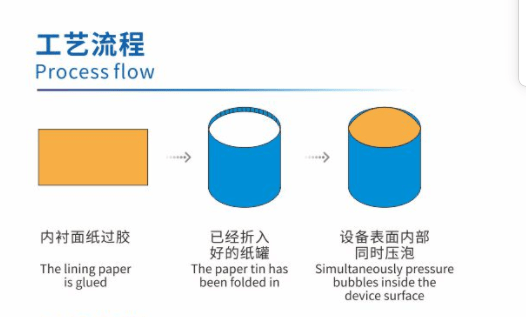
How to Make a Paper Tube with a Machine?
Struggling with slow, manual paper tube production? This inefficiency costs time and money. A specialized machine automates everything, boosting your output and quality effortlessly.
To make a paper tube with a machine, you need a paper tube winding machine. This machine takes strips of paper, applies adhesive, and winds them around a mandrel to form a sturdy, multi-layered tube. It then cuts the tube to the desired length automatically.
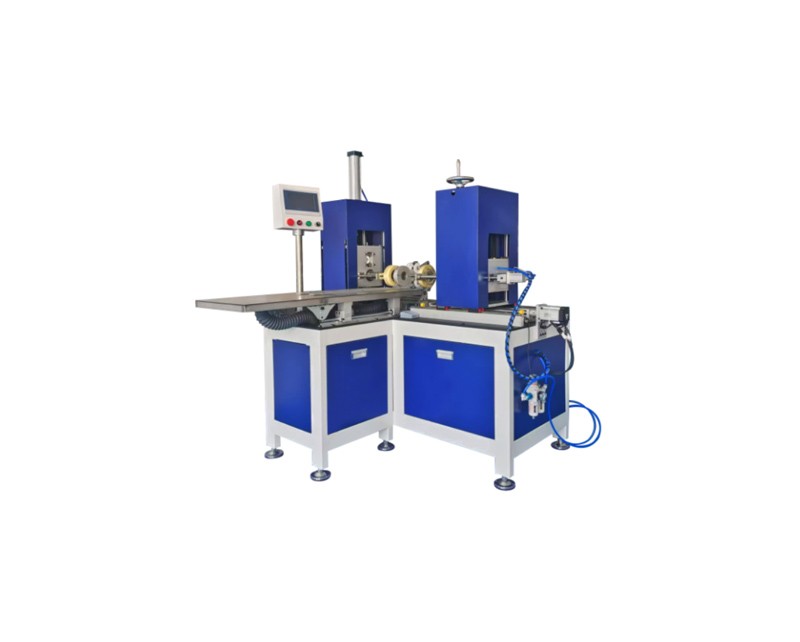
That’s the basic idea, but you probably have more questions. I get it. When I first started in this industry, I was curious about the details too. Let’s break it down further to see how you can apply this to your own business.
How Can You Make Your Own Paper Tube?
Thinking about making your own paper tubes? The process can seem daunting, and a wrong step is expensive. I’ll guide you through the essential steps to get started right.
To make your own paper tubes, you need three things: the right paper material, a strong adhesive, and a paper tube winding machine. The machine handles the winding, gluing, and cutting, turning raw materials into finished tubes with precision and speed.
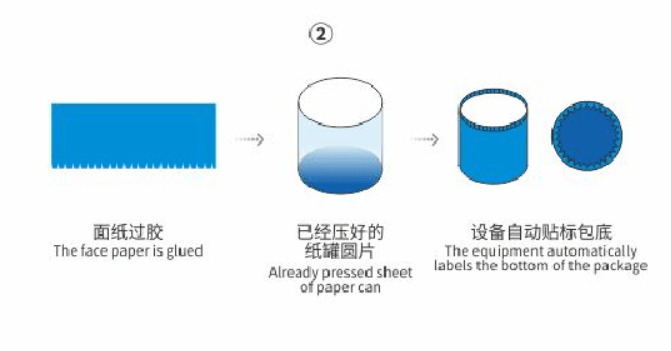
Making your own paper tubes is a smart business move. It gives you control over quality and supply. First, you need to choose your materials carefully.
Choosing Your Materials
The paper you select determines the tube’s strength. Kraft paper is strong and durable, great for shipping tubes. Recycled paper is more eco-friendly and works well for product packaging. The adhesive is just as important; it needs to be strong enough to hold the layers together securely.
| Paper Type | Best For | Key Feature |
|---|---|---|
| Kraft Paper | Shipping, Industrial Use | High Strength |
| Recycled Paper | Product Packaging | Eco-Friendly |
Selecting the Right Machine
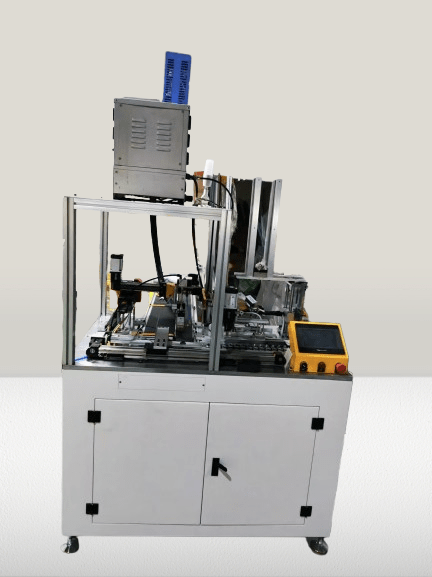
Next, you need the right equipment. A reliable paper tube machine is the heart of your operation. At Kylin Machine, we specialize in machinery that is both efficient and easy to operate. Our machines are designed for businesses that need consistent output without a lot of technical fuss. We also offer solutions for related products like round box machines and even complex collapsible box machines.
How Is a Paper Tube Actually Made?
Ever wonder how flat paper becomes a strong tube? Not knowing the process makes it hard to control quality. I’ll break down each step for you simply.
A paper tube is made by spiral winding. Multiple strips of paper, called plies, are coated with adhesive and wound at an angle around a metal rod, or mandrel. The layers build up to create the desired wall thickness, forming a continuous tube that is then cut.
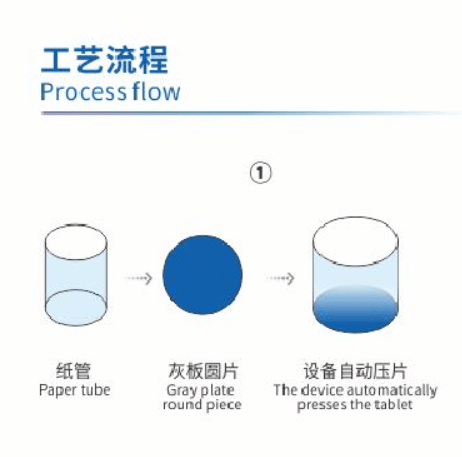
The manufacturing process is fascinating and highly engineered. It’s all about precision. Here’s a closer look at how our machines handle it.
Step 1: Slitting and Gluing
It starts with large parent rolls of paper. The machine first slits these rolls into narrow strips of a specific width. The width and number of strips determine the final tube dimensions. As these strips are fed into the machine, they pass through a gluing station where adhesive is applied to one side of each strip, except for the inner-most one.
Step 2: Spiral Winding
This is where the tube takes shape. The glued strips are pulled onto a belt that wraps them around a stationary steel rod called a mandrel. The angle of the winding determines the tube’s properties. The layers overlap and bond together instantly, creating a strong, multi-ply wall. This is the same principle we use in other rigid box making machines.
Step 3: Cutting and Finishing
As the continuous tube comes off the mandrel, an in-line cutter slices it to the required length. This process is automated and very precise. The finished tubes are then collected for drying or further processing. This level of automation is key in all modern post-press machines, including those for book cover packing craft.
Which Machine Is Used for Making Paper Tubes?
Ready to buy a machine but confused by all the options? A wrong choice is a costly mistake. I’ll help you understand exactly what machine you need for making paper tubes.
The primary machine is a paper tube winding machine, also known as a spiral tube winder. This single piece of equipment performs the core tasks of gluing, winding, and cutting the paper strips into tubes. It’s the essential investment for any paper tube production line.
The machine you’re looking for is specifically called a paper tube winding machine. While other machines are involved in paper making (from pulp), the tube forming is done by this specialized equipment. Let’s look at what makes a good one.
Core Components
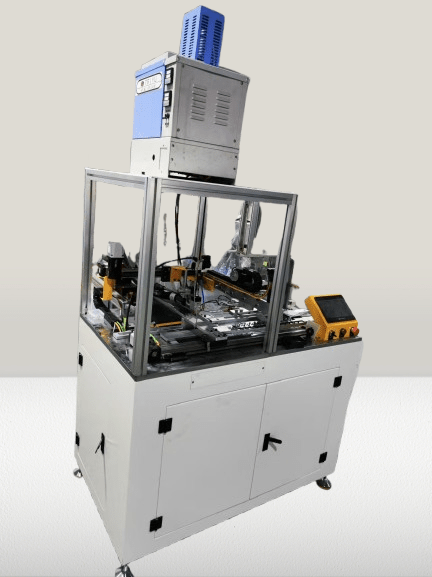
A standard machine includes a paper roll stand, a gluing system, the spiral winding unit with the mandrel, and an automatic cutting system. At Kylin Machinery, our machines integrate these components seamlessly. Our powerful R&D team ensures every part works together perfectly for maximum efficiency.
Key Features to Look For
When you’re shopping for a machine, don’t just look at the price. Consider these features for long-term value.
| Feature | Why It’s Important |
|---|---|
| Variable Speed Control | Allows you to adjust production speed based on material and tube size. |
| Automatic Cutting | Ensures consistent length and reduces labor costs. |
| Mandrel Size Options | Gives you the flexibility to produce tubes of different diameters. |
| PLC Control System | Makes operation simple and allows for easy adjustments. |
Our advanced machines, like those with Robotic Spotter technology, offer even greater precision. You can learn more about our full range at www.kylinmachines.com.
Can You Really Make Paper Tubes at Home?
Want to try making paper tubes at home for a small project? It sounds easy, but hand-rolling is slow and inconsistent. Let’s look at the reality of DIY versus professional production.
You can make paper tubes at home by manually rolling paper strips with glue around a dowel. However, this method is slow and lacks the strength and consistency of machine-made tubes. It’s suitable for crafts, but not for any business or packaging application.

I often get asked if people can just make tubes at home. It’s a fair question, especially for hobbyists. But for a business, the answer is very different.
The DIY Method
At home, you would cut paper strips, apply glue with a brush, and tightly roll them around a wooden dowel or pipe. You’d have to hold it until the glue sets and then slide it off. You can make a tube, yes. But it will likely be uneven, not perfectly round, and not very strong. The process is extremely slow.
The Professional Difference
This is where our business model at Kylin Machine comes in. We are a B2B, wholesale-only company. Our clients in the packaging and printing industries can’t rely on DIY methods. They need thousands of identical, high-strength tubes every day. Our packaging machines provide the speed, precision, and reliability that a business needs to be profitable. A machine can produce hundreds of feet of tubing per minute, perfectly wound and cut every time. For any serious application, there is no substitute for a dedicated machine.
Conclusion
In short, making professional paper tubes requires a specialized winding machine. This investment ensures quality, speed, and consistency for your business, far beyond any manual method.





发表回复