
How to Make Jewelry Boxes
How to Make Jewelry Boxes?
Jewelry boxes seem simple. But making them right is hard. The wrong tools waste your time and money. The good news? I will show you the best way to create beautiful jewelry boxes that sell.
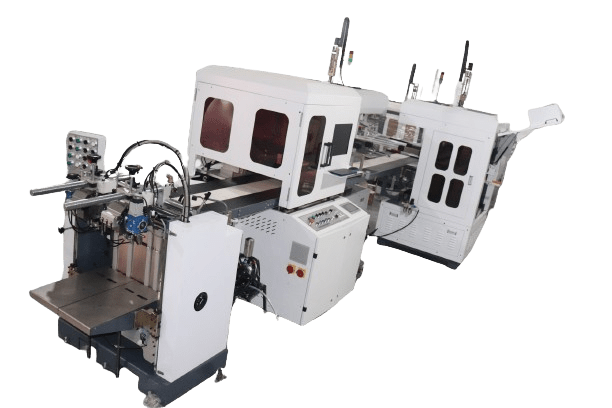
To make jewelry boxes, you need quality wood like walnut or cherry, soft lining material such as velvet or suede, and proper machinery for cutting and assembling. For commercial production, jewelry box making machines deliver consistent results with high efficiency.

I have worked in the packaging machinery industry for over 20 years. At Kylin Machinery, we help thousands of businesses create premium boxes. Today, I want to share what we have learned about making jewelry boxes. Whether you work alone or run a factory, this guide will help you.
What Is the Best Way to Make a Jewelry Box?
Many people try to make jewelry boxes by hand. They spend hours cutting, gluing, and assembling. The results are often uneven. There is a better approach that saves time and improves quality.
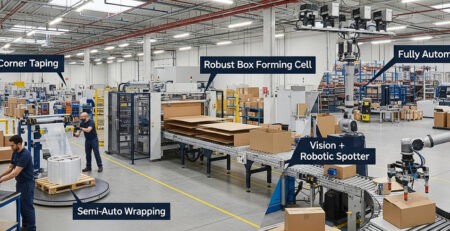
The best way to make a jewelry box depends on your production scale. For small batches, hand tools work fine. For commercial production, automatic box making machines offer speed, precision, and consistency that hand methods cannot match.

Understanding the Production Process
Making jewelry boxes involves several key steps. Each step affects the final quality. Let me break this down for you.
| Step | Hand Method | Machine Method |
|---|---|---|
| Cutting | Manual saw, slow | Die cutting machine, fast and precise |
| Scoring | Hand scoring tool | Automatic scoring line |
| Gluing | Brush application | Gluing machine, even coverage |
| Wrapping | Manual wrapping | Box wrapping machine, tight finish |
| Assembly | Hand assembly | Box assembly machine, consistent results |
Choosing Your Method
For hobbyists, hand tools are enough. You need a good saw, clamps, wood glue, and patience. But if you plan to sell jewelry boxes, think about machines.
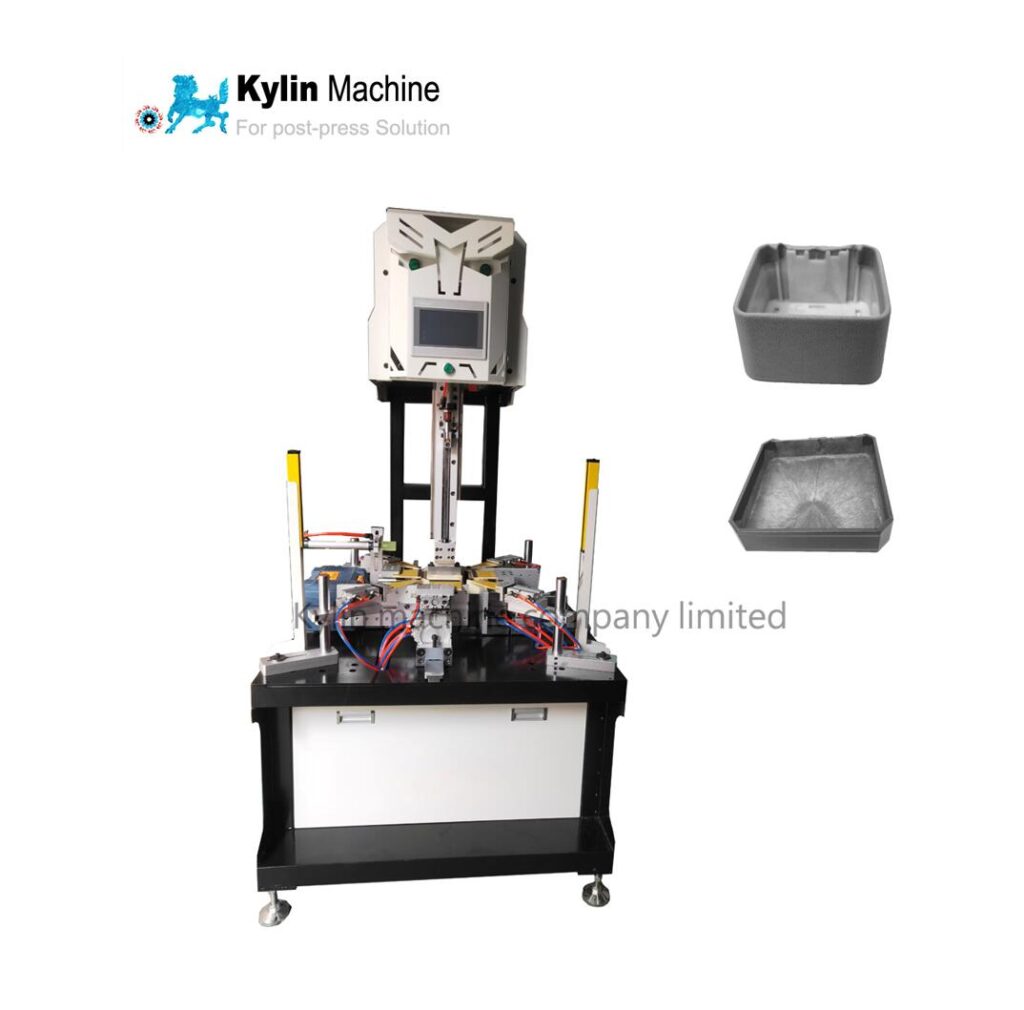
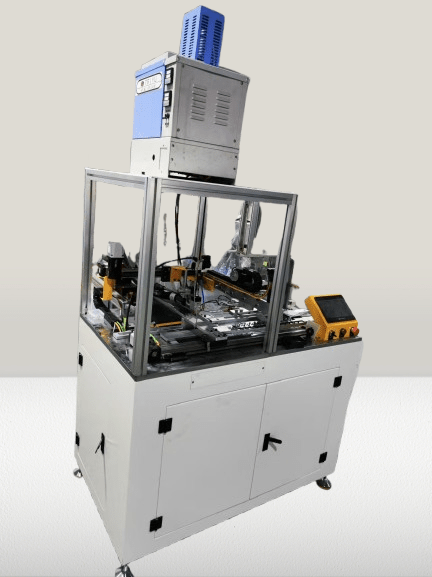
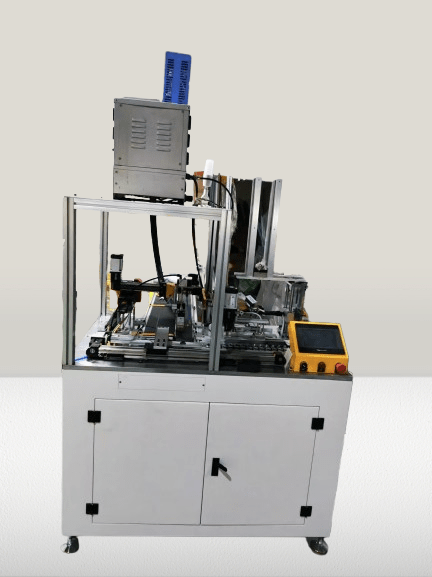
At Kylin Machinery, we see many customers start small. They make boxes by hand. Then orders grow. Hand methods cannot keep up. They come to us for rigid box solutions. Our semi-automatic jewelry box hinges machines help them scale up without huge investment. The key is matching your method to your business needs.
Are Handmade Jewelry Boxes Worth It?
Handmade items carry a special value. People pay more for them. But is the extra work worth your time? This question matters for both hobbyists and business owners.
Handmade jewelry boxes are worth it for custom, one-of-a-kind pieces. They command premium prices from $50 to $500 or more. However, for commercial production, machine-made boxes using Kylin packaging machinery offer better profit margins with consistent quality.
The Economics of Handmade vs Machine Made
Let me share some numbers from our customers. These will help you decide.
| Factor | Handmade | Machine Made |
|---|---|---|
| Time per box | 2-4 hours | 2-5 minutes |
| Labor cost | High | Low |
| Consistency | Variable | Uniform |
| Scalability | Limited | High |
| Market position | Premium/artisan | Commercial/retail |
| Profit per hour | $15-30 | $50-200 |
When Handmade Makes Sense
Handmade jewelry boxes work best in certain situations. Custom wedding gifts, luxury brands, and art collectors want unique pieces. They will pay for the handmade label.
But here is what I tell my customers. Even "handmade" products can use machine assistance. A paper cutting machine cuts your materials perfectly. You still assemble by hand. The box is still handmade. But your cuts are precise. Your edges are clean. You save time on the boring parts. You focus on the creative work. This hybrid approach gives you the best of both worlds. Many successful jewelry box makers use Kylin corner cutting machines for this exact reason.
What Is the Best Wood to Make a Jewelry Box?
Wood selection changes everything. The wrong wood cracks, warps, or looks cheap. The right wood makes your jewelry box a treasure. I have seen both results many times.
The best woods for jewelry boxes are walnut, cherry, maple, and mahogany. These hardwoods are stable, beautiful, and easy to work with. For budget options, poplar or MDF wrapped with quality paper using box covering machines offers excellent results.
Comparing Wood Options
Different woods serve different markets. Here is my guide based on our customers’ experiences.
| Wood Type | Price Level | Best For | Workability |
|---|---|---|---|
| Walnut | High | Luxury boxes | Good |
| Cherry | High | Traditional style | Excellent |
| Maple | Medium | Modern design | Good |
| Mahogany | High | Classic elegance | Excellent |
| Oak | Medium | Rustic look | Moderate |
| Poplar | Low | Painted boxes | Excellent |
| MDF | Low | Wrapped boxes | Excellent |
The Wrapped Box Alternative
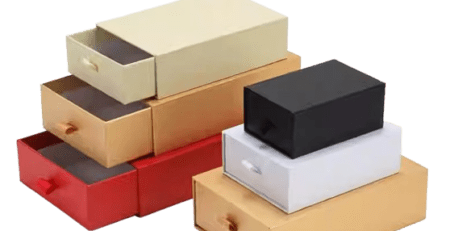
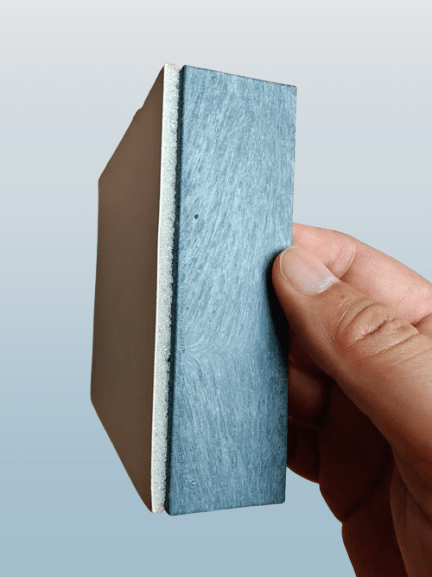
Here is something many people miss. You do not always need solid wood. Many premium jewelry boxes use MDF or chipboard cores. They wrap these with beautiful paper or fabric.
This method is popular for good reasons. First, it costs less. Second, it allows endless design options. Third, it produces consistent results. At Kylin Machinery, our rigid box making equipment specializes in this technique. We help customers create luxury-looking boxes at commercial prices. The automatic paper feeding system ensures perfect alignment every time. Major jewelry brands use this method. Their boxes look expensive. But production costs stay low.
What Is the Best Material to Line a Jewelry Box With?
The lining protects jewelry from scratches. It also adds luxury feel. Choosing the wrong material ruins an otherwise perfect box. This detail matters more than most people think.
The best materials to line jewelry boxes are velvet, suede, and flocked paper. Velvet offers the most luxurious feel. Suede works well for modern designs. Flocked paper provides cost-effective elegance. For commercial production, Kylin’s box lining solutions ensure perfect application every time.
Lining Material Comparison
Each lining material has pros and cons. Your choice depends on your target market and budget.
| Material | Feel | Durability | Cost | Best Application |
|---|---|---|---|---|
| Velvet | Luxurious | Good | High | High-end jewelry |
| Suede | Soft | Excellent | High | Modern brands |
| Flocked paper | Smooth | Good | Medium | Commercial boxes |
| Satin | Silky | Moderate | Medium | Gift boxes |
| Foam insert | Functional | Excellent | Low | Protection focus |
| Microfiber | Soft | Excellent | Medium | All-purpose |
Application Methods
Applying lining by hand is slow and messy. Glue spots show through. Edges lift over time. I have seen beautiful boxes ruined by poor lining work.
Machine application solves these problems. Our automatic lining machines apply adhesive evenly. They position fabric perfectly. They press with consistent force. The result looks professional every time. For small operations, we offer semi-automatic options that balance cost and performance. The key is even glue distribution. Our glue spreading machines handle this critical step. Whether you choose velvet, suede, or flocked paper, proper application makes the difference between amateur and professional results.
Conclusion
Making jewelry boxes requires good materials, proper techniques, and the right equipment. For commercial success, machines from Kylin Machinery deliver the quality and efficiency your business needs.



发表回复