
Is the Printing Industry Really in Crisis, or Just Evolving?
Are you worried about the future of your printing business? Many are. But what if the "crisis" is actually an opportunity in disguise?
The printing industry isn’t dying; it’s transforming. The key to survival and growth lies in embracing high-tech automation and specialized solutions. Digital presses are advancing, but the real profit is in finishing and converting, where precision and efficiency make all the difference.
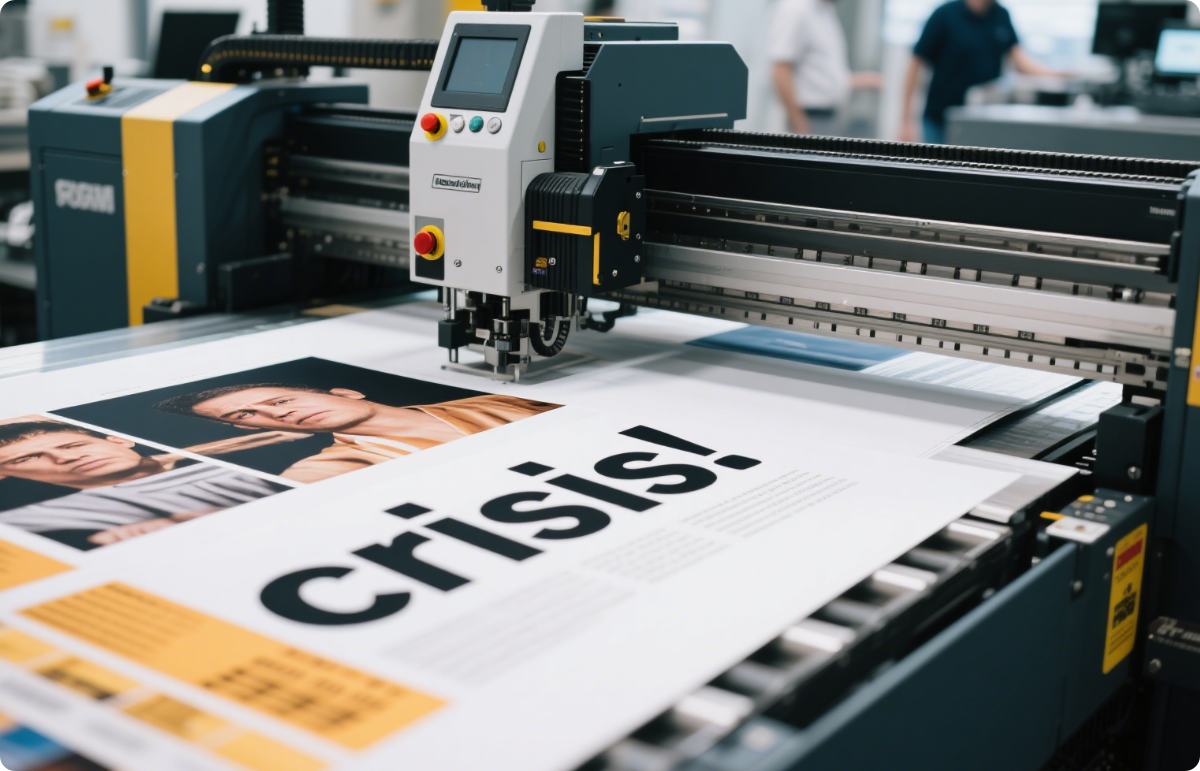
I’ve been in this business for a long time, and I’ve seen the ups and downs. The headlines often paint a grim picture, but from my perspective here at Kylin Machine, the story is different. We see a shift, not an end. The demand for high-quality, unique packaging and books is stronger than ever. The challenge is meeting that demand profitably. That’s where the real conversation begins.
Are Your Machines Holding Your Business Back?
Feeling the pressure of tight margins and demanding clients? You’re not alone. The old ways of operating are becoming less and less viable.
Your current equipment might be the bottleneck. Relying on outdated technology in a rapidly advancing market leads to inefficiency, higher labor costs, and an inability to compete on complex, high-value jobs. It’s time to evaluate if your machinery is an asset or a liability.
The Hidden Costs of Outdated Technology
When I talk to owners of printing and packaging companies, the conversation often turns to costs. They are focused on the price of paper, ink, and labor. But the biggest cost, the one that often goes unnoticed, is the opportunity cost of inefficiency. Think about it. How much time is wasted on manual setups and changeovers? How many jobs are turned down because the machinery can’t handle the complexity or the required precision? News of advanced presses like the HP Indigo 6K+ shows the industry is moving towards automation and AI (source). While a new digital press is a significant investment, the real value is unlocked in the post-press stage. This is where our focus on rigid box machines and hard book cover solutions comes into play. An efficient production line, from printing to the final product, is what truly drives profitability.
| Feature | Outdated Machinery | Modern Kylin Machinery |
|---|---|---|
| Setup Time | Long, manual, error-prone | Fast, automated, precise |
| Labor Cost | High, requires skilled operators | Lower, user-friendly interface |
| Job Complexity | Limited to simple designs | Handles intricate, high-value jobs |
| Waste | High material and time waste | Minimized through precision control |
| Profit Margin | Low, commodity-based pricing | High, value-added services |
Can Automation Truly Revolutionize Your Packaging Business?
Struggling to keep up with orders for complex, high-end packaging? The manual labor involved can kill your profits and slow you down.
Yes, automation is the answer. By integrating solutions like a Robotic Spotter, you can dramatically increase speed, achieve perfect accuracy, and reduce your reliance on manual labor for tasks like positioning magnets or applying components to rigid boxes.

Beyond Speed: The True Power of Robotic Integration
I remember visiting a client who was producing luxury gift boxes. They had a team of workers manually placing magnets. It was slow, and the placement was inconsistent, leading to a high rejection rate. It was a clear bottleneck. This is the exact problem we designed our Robotic Spotter to solve. It’s not just about doing the same job faster; it’s about doing it with a level of precision that is impossible to achieve manually, consistently, 24/7. This opens up new possibilities for your business. You can confidently take on orders for collapsible rigid boxes or complex eyewear boxes that your competitors can’t handle. This technology transforms your business from a simple print shop to a high-value packaging partner. It’s about moving up the value chain, and our automatic rigid box makers are the key to that transformation.
How Can You Produce Both Rigid Boxes and Book Covers Efficiently?
Are you turning down work because your equipment is too specialized? Having separate machines for boxes and book covers is expensive and inefficient.
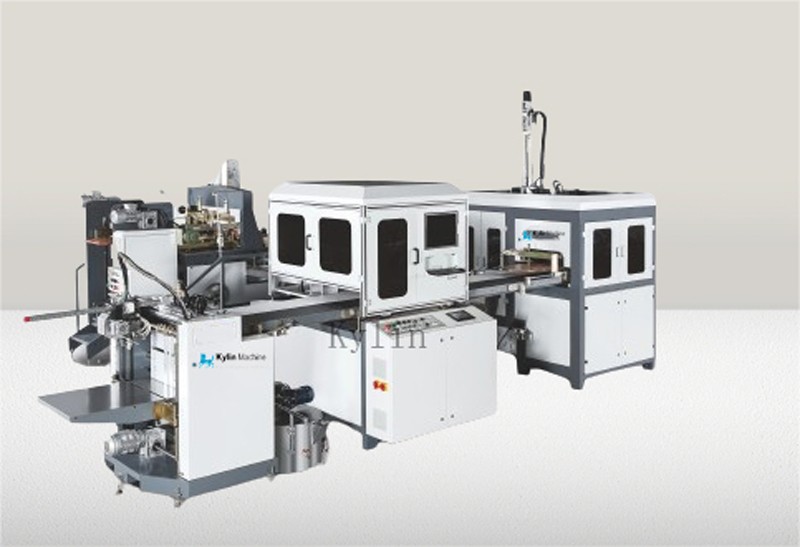
The solution is a Hybrid Machine. This versatile equipment allows you to switch between producing high-quality rigid boxes and durable hard book covers with minimal downtime, maximizing your investment and production flexibility.
The Flexibility to Say Yes to More Business
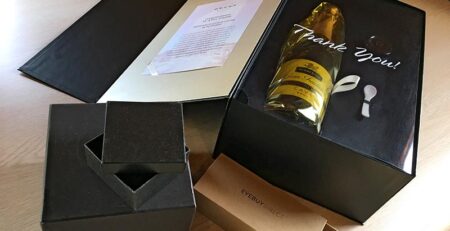
One of the biggest challenges for small to medium-sized enterprises is resource allocation. You can’t afford to have expensive machinery sitting idle. That’s why we developed our Hybrid machine for rigid box and hard book cover solutions. I’ve seen firsthand how this flexibility can change a business. A customer in Italy was primarily a bookbinder, but they were getting more and more requests for high-end packaging. Instead of buying a whole new line, they invested in one of our hybrid machines. Now they can serve both markets, effectively doubling their potential customer base without doubling their equipment costs. They can produce a short run of luxury wine boxes in the morning and switch to a large order of hardcover books in the afternoon. This adaptability is crucial in today’s market. It allows you to follow the demand and ensure your investment is always generating revenue. Our case makers offer similar flexibility for various applications.
Conclusion
The printing industry’s challenges are real, but so are the opportunities. By investing in smart, automated, and flexible machinery, you can turn crisis into a competitive advantage and secure your future.



发表回复