


4 Surprising Truths About the Box Your Glasses Came In
Beyond the Lens: 4 Surprising Truths About the Box Your Glasses Came In
How Smart Tech & Geopolitics Are Revolutionizing Eyewear Packaging Production
By Kylin Machines Team | 5 Minute Read
That hard-shell case protecting a pair of luxury glasses is no longer just a “throwaway” accessory. It is becoming a center of technological innovation, a barometer of global trade, and a frontline in the battle for sustainability.
For packaging manufacturers, this shift presents both a challenge and a massive opportunity. The global eyewear packaging market is valued at over $240 million, but the types of boxes brands are demanding are changing rapidly.
At Kylin Machines, we understand that staying ahead in the packaging industry means adapting your production lines to these emerging trends. Based on the latest market data, here are the four truths transforming the humble glasses case—and how your manufacturing process needs to evolve.
1. The Rise of “Active” Packaging: Cases as Charging Stations
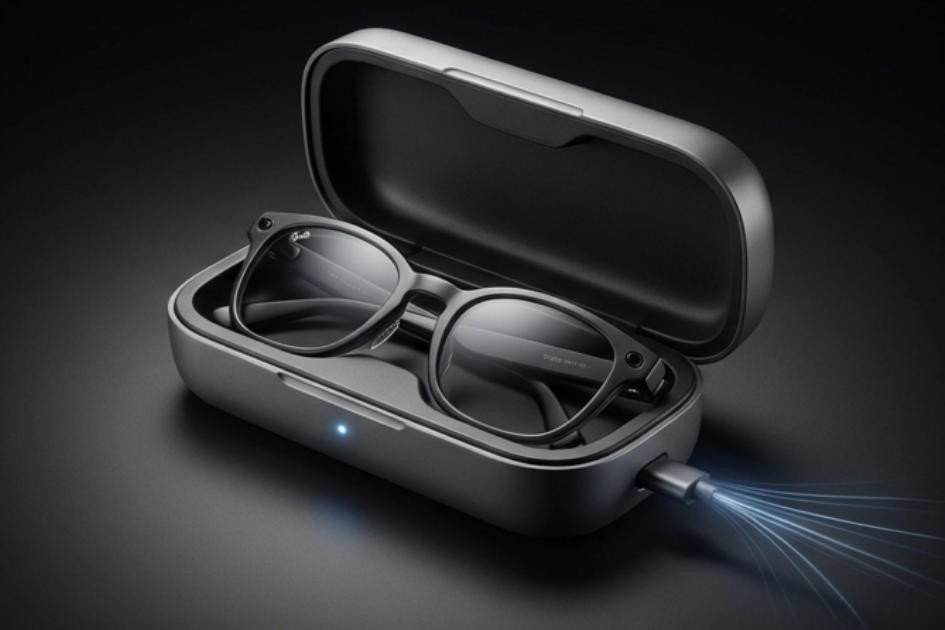
As eyewear evolves into “smart wear,” the packaging must evolve into hardware. With the release of AI-integrated eyewear from tech giants like Meta and Alibaba, the glasses case is transitioning from a passive shell to an active electronic accessory.
The driver for this change is battery life. Current smart glasses often offer limited use on a single charge, making the case a mandatory power supply. This trend is exploding: according to Counterpoint Research, global smart glasses shipments soared 110% YoY in H1 2025, with Meta capturing a massive market share.
What This Means for Packaging Manufacturers:
Precision is Paramount: Manufacturing these cases requires tighter tolerances to house USB-C ports, LED indicators, and pogo-pin connectors.
Complex Assembly: Your production line must handle mixed materials—rigid outers, soft conductive linings, and electronic inserts.
Kylin Solution: To produce high-value electronics packaging, you need rigid box machines that offer extreme precision. Our Automatic Rigid Box Making Machines are designed to deliver the exact specifications required for tech-integrated packaging, ensuring perfectly flush ports and premium finishes.
2. Lightweighting: The Geopolitical Response to Supply Chains
The design of a glasses case is now a geopolitical decision. With China as the world’s largest exporter of eyewear, the industry is highly sensitive to trade tariffs and logistics crises.
In 2025, trade disputes and tariff updates significantly impacted the optical industry. Organizations like The Vision Council have been actively tracking how these tariffs affect the cost of frames and packaging, forcing brands to pivot strategies.
To mitigate rising logistics costs, brands are shifting from bulky hard cases to collapsible boxes and lightweight paperboard structures. The goal is “risk minimization” through reduced shipping volume and weight.
The Shift to Paper:
Brands are swapping plastic injection molding for high-quality paper structures to bypass plastic tariffs and lower freight costs.
Kylin Solution: If you are still relying solely on plastic injection molding, you may be missing out. Transitioning to Automatic Paper Box Machines allows you to produce lightweight, foldable, and tariff-friendly packaging that global brands are desperate for.
3. Radical Sustainability: From Chip Bags to Luxury Cases
Sustainability is no longer a buzzword; it is a raw material requirement. Brands are now pioneering the use of “impossible-to-recycle” waste to create high-fashion frames and accessories.
A prime example is the brand Without®, which created the world’s first sunglasses made from recycled multi-layered chip packets. They are proving that even complex waste can be turned into premium products.
This circular economy approach demands packaging that matches the product’s ethos. You cannot put recycled sunglasses in a virgin plastic box.
The Manufacturing Challenge:
Material Versatility: Machines must be able to handle non-traditional, recycled materials (like rPET or composite papers) without jamming or tearing.
Adhesive Compatibility: Eco-friendly materials often require specialized, water-based glues rather than harsh chemical adhesives.
4. Solving the “Recycling Nightmare” of Hard Cases
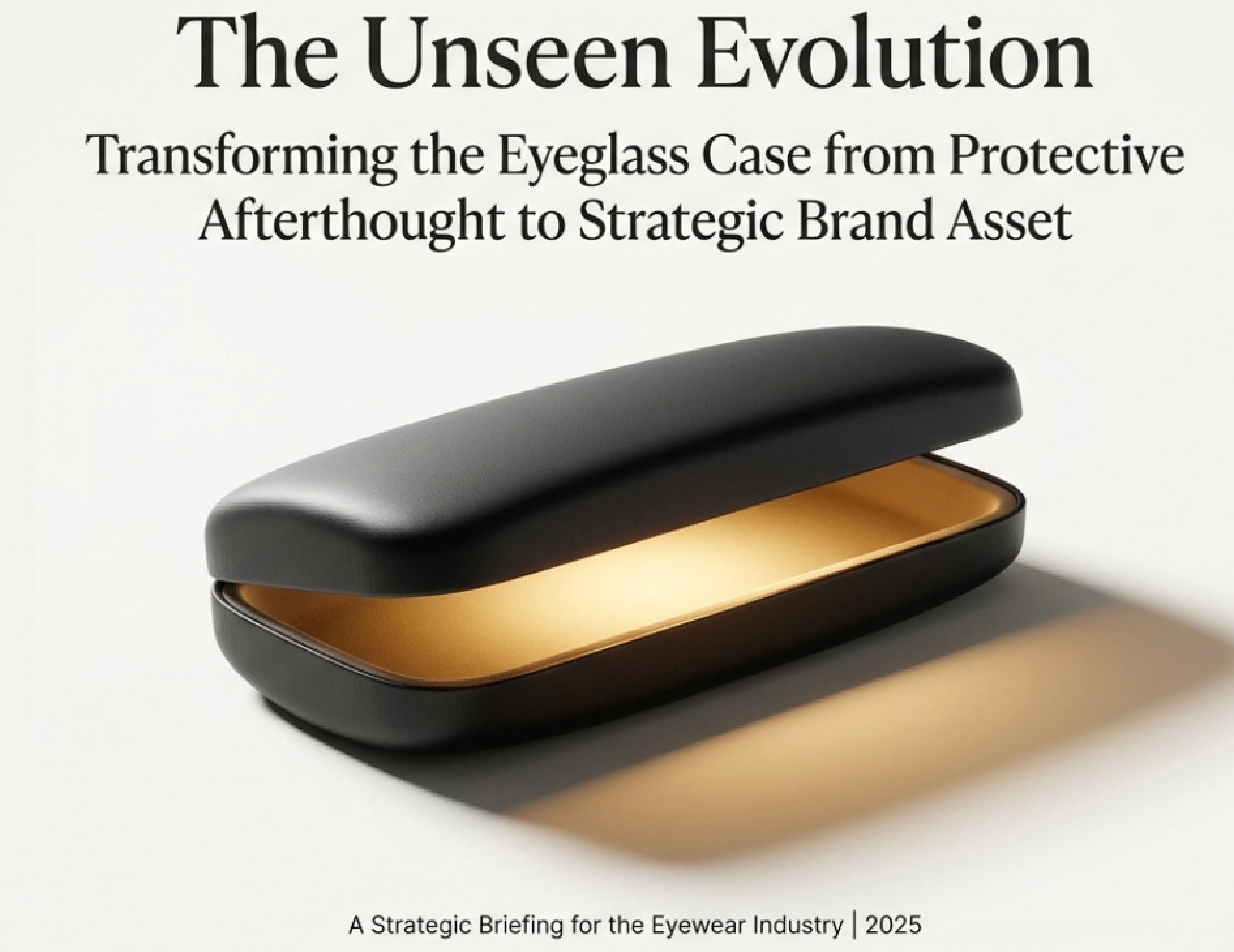
The standard hard-shell case is an environmental paradox. It is durable, but the chloroprene glue used to bond the leather to the ABS plastic shell makes it nearly impossible to recycle.
Regulations are tightening. The European Union’s Packaging and Packaging Waste Regulation (PPWR) is setting strict deadlines, requiring all packaging to be recyclable by design by 2030. This is forcing a move away from permanent chemical bonding.
The Future is Glue-Free or Eco-Glue:
The industry is moving toward mechanical locking structures or automated systems that utilize biodegradable adhesives.
Kylin Solution: Our machinery is compatible with the latest eco-friendly hot and cold glues, ensuring strong bonds that don’t cost the earth. Furthermore, our Case Making Machines allow for precise wrapping that minimizes glue usage while maximizing durability.
Conclusion: Is Your Production Line Ready?
The box your glasses came in is telling a story of technological integration, supply chain resilience, and environmental responsibility.
As a packaging manufacturer, you are not just making boxes; you are engineering solutions for global problems. Whether it is integrating electronics for smart glasses or switching to lightweight paper to dodge tariffs, the demand for sophisticated packaging is skyrocketing.
Don’t let outdated machinery hold you back.
At Kylin Machines, we provide the cutting-edge automatic packaging solutions you need to capture this evolving market. From rigid boxes to collapsible cases, our technology ensures you stay ahead of the curve.




Leave a Reply