


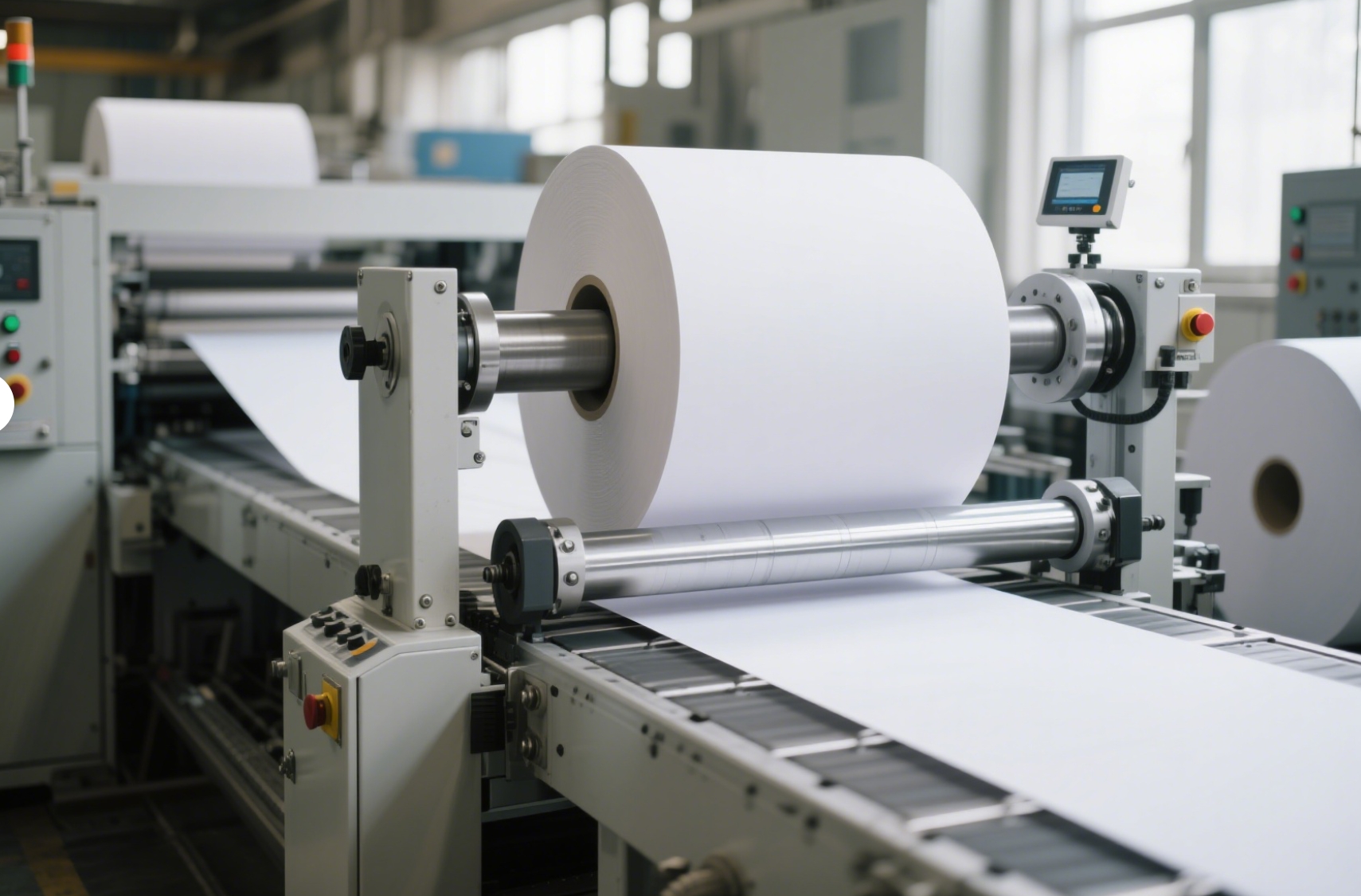
The Sticky Revolution: Navigating Adhesives in Modern Packaging with Kylin Machine Innovations
Meta Description: Explore the critical role of adhesives in the packaging industry, from sustainability trends to performance demands. Discover how Kylin Machine’s solutions like the Shoulder Box Assemble Glue Machine and Constant Viscosity Gluing Machine are shaping the future of efficient and eco-friendly packaging.
Keywords: packaging adhesives, sustainable packaging, eco-friendly glue, industrial adhesives, box gluing machine, jelly glue machine, Kylin Machine, shoulder box assembly, constant viscosity gluing, adhesive technology, packaging innovation, printing and packaging solutions.
🚀 Introduction: The Unseen Hero of Packaging
In the bustling world of commerce, packaging is the silent ambassador of a brand. It’s the first touchpoint for a customer, a protective shell, and a canvas for branding. But what holds this crucial element together? The answer, more often than not, is adhesives. These unsung heroes of the packaging industry are pivotal, ensuring everything from cereal boxes to luxury gift packaging maintains its integrity from the factory floor to the consumer’s hands.
The global packaging market is vast and ever-evolving, with adhesives playing an increasingly sophisticated role. It’s no longer just about sticking A to B; modern packaging demands adhesives that are high-performing, cost-effective, compliant with regulations, and, crucially, sustainable.
This article delves into the dynamic landscape of adhesives in the printing and packaging industry. We’ll explore the hottest topics, from the drive towards compostable adhesives
Join us as we unstick the complexities and reveal how the right adhesive strategy, coupled with cutting-edge technology, can be a game-changer for your packaging operations.
🌍 The Green Imperative: Sustainability in Packaging Adhesives
The call for sustainability echoes across all industries, and packaging is at the forefront of this transformation. With concerns over landfill waste, microplastics, and carbon footprints, businesses are under immense pressure to adopt greener practices. Adhesives, though a small component by weight, play a significant role in the overall environmental impact of packaging.
Key Sustainable Adhesive Trends:
Recyclability and Repulpability:
- One of the major challenges in paper and board recycling is the presence of "stickies" – tacky substances that can originate from adhesives, coatings, and inks.
2 These stickies can cause defects in recycled paper products and lead to costly downtime in paper mills. Therefore, the development and use of recyclable adhesives or adhesives that break down harmlessly during the repulping process are paramount. - Water-soluble or redispersible adhesives are often preferred for paper-based packaging to enhance recyclability.
2
- One of the major challenges in paper and board recycling is the presence of "stickies" – tacky substances that can originate from adhesives, coatings, and inks.
Compostable and Biodegradable Adhesives:
- For packaging designed to be composted (e.g., certain food packaging, single-use items), the adhesive must also be compostable. This means it should break down into natural elements within a set timeframe under specific composting conditions, without leaving harmful residues.
- BASF, for instance, highlights the formulation of compostable adhesives to help flexible packaging meet certification standards.
1 This is crucial for brands aiming for a circular economy model.
Bio-based Adhesives:
- Derived from renewable resources like starch, cellulose, or plant-based oils, bio-based adhesives offer a lower carbon footprint compared to their petroleum-based counterparts. While performance and cost have been historical challenges, ongoing research is leading to more viable bio-based solutions for various packaging applications.
Solvent-Free and Low-VOC Adhesives:
- Solvents used in some adhesives can release Volatile Organic Compounds (VOCs), which contribute to air pollution and can pose health risks. The industry is increasingly shifting towards solvent-free options like water-based adhesives, hot-melt adhesives, and UV-curable adhesives to minimize VOC emissions.
The Role of Machinery in Sustainable Gluing:
Choosing a sustainable adhesive is only half the battle; applying it efficiently and precisely is equally important. This is where advanced gluing machinery comes into play.
- Precision Application: Machines like the Kylin Machine Constant Viscosity Gluing Machine are designed for precise adhesive application. This precision minimizes adhesive consumption, reducing waste and cost. When using eco-friendly (and often more expensive) adhesives, minimizing usage without compromising bond strength is key.
- Compatibility with Eco-Friendly Glues: Modern gluing machines are increasingly designed to handle a wider range of adhesive types, including newer, more sustainable formulations like jelly glue (animal glue or protein-based adhesive). Jelly glues are often biodegradable and derived from renewable resources, making them an excellent choice for sustainable packaging. The Constant Viscosity Gluing Machine from Kylin Machine is specifically highlighted for its proficiency with jelly glue, ensuring optimal performance and consistent viscosity, which is crucial for these types of adhesives.
Icon Comparison: Adhesive Impact
| Feature | Traditional Adhesives | 🌱 Eco-Friendly Adhesives | Kylin Machine Advantage |
|---|---|---|---|
| Source | Often Petrochemical | Renewable/Recycled | Handles various types, including jelly glue efficiently |
| End-of-Life | Landfill Concern | Recyclable/Compostable | Precise application minimizes waste |
| VOC Emissions | Can be High | Low to Zero | Supports use of low-VOC or zero-VOC adhesives |
| Recycling Impact | Potential Stickies | Designed for Recyclability | Efficient use reduces overall material in recycle stream |
💪 Adhesive Performance & Properties: Beyond Just Sticking
While sustainability is a major driver, the fundamental purpose of an adhesive is to bond materials effectively. The performance demands on packaging adhesives are diverse and depend heavily on the application, the substrates being bonded, and the end-use environment.
Key Performance Considerations:
Bond Strength:
- This is perhaps the most critical property. The adhesive must create a bond strong enough to withstand the stresses of manufacturing, handling, shipping, and consumer use. For plastic packaging, bond strength is often the top priority.
3 - The type of plastic (e.g., LDPE, HDPE, PET, PP) and its surface energy significantly influence adhesive selection. Low surface energy plastics can be notoriously difficult to bond.
- This is perhaps the most critical property. The adhesive must create a bond strong enough to withstand the stresses of manufacturing, handling, shipping, and consumer use. For plastic packaging, bond strength is often the top priority.
Substrate Compatibility:
- Packaging utilizes a vast array of materials: corrugated board, paperboard, various plastics, films, foils, glass, and more. An adhesive that works well on paper might fail on a non-porous plastic film.
- For instance, hot melt adhesives are often favored for corrugated surfaces due to their wet tack and ability to fill gaps.
3
Setting Speed (Open Time & Curing Time):
- In high-speed packaging lines, adhesives need to set quickly to allow for immediate downstream processing. Open time (the window during which a bond can be formed after adhesive application) and curing time (the time taken to reach full bond strength) are critical parameters.
- Light-curing adhesives (UV-curable) are gaining traction for their ability to cure in seconds upon exposure to UV light, making them ideal for high-speed applications and bonding dissimilar materials.
4
Resistance Properties:
- Packaging may be exposed to various environmental conditions. Adhesives might need to resist:
- Temperature extremes: From frozen foods to items shipped in hot climates.
- Moisture and humidity: Crucial for refrigerated products or packaging exposed to damp environments. Water-based adhesives used in packaging historically failed in humid climates, leading to innovations like thermoplastic glues.
4 - Chemicals and oils: For packaging containing greasy foods, cosmetics, or industrial products.
- Packaging may be exposed to various environmental conditions. Adhesives might need to resist:
Clarity and Aesthetics:
- For applications like clear labels or high-end packaging where appearance is vital, the adhesive must be as clear as possible and maintain its clarity over time, even when exposed to water or UV light.
1 Pressure-sensitive adhesives (PSAs) used for labels are a prime example where clarity is key.
- For applications like clear labels or high-end packaging where appearance is vital, the adhesive must be as clear as possible and maintain its clarity over time, even when exposed to water or UV light.
Viscosity and Flow Properties:
- The viscosity of an adhesive determines how it flows and wets the substrate. It must be suitable for the application method (e.g., spray, roll, jetting).
- The Kylin Machine Constant Viscosity Gluing Machine addresses this directly, especially for adhesives like jelly glue where maintaining consistent viscosity is essential for uniform application and reliable bonding. Fluctuations in viscosity can lead to inconsistent glue application, weak bonds, or excessive glue consumption.
Precision Machinery for Optimal Performance:
Achieving consistent adhesive performance relies heavily on the application machinery.
- Shoulder Box Assembly: For complex packaging like shoulder boxes (often used for luxury goods, electronics, or cosmetics), precision gluing is non-negotiable. The Kylin Machine Shoulder Box Assemble Glue Machine is engineered for this exact purpose. It ensures accurate placement and an appropriate amount of adhesive on the intricate parts of shoulder boxes, leading to strong, aesthetically pleasing, and perfectly assembled packaging. This machine likely handles adhesives suitable for paperboard and specialty papers, focusing on strong bonds and clean application.
Icon Comparison: Application Quality
| Feature | Manual/Basic Application | ⚙️ Kylin Precision Machinery | Benefit |
|---|---|---|---|
| Accuracy | Variable | High | Consistent bond quality, reduced rejects |
| Speed | Slow | Fast | Increased throughput, higher productivity |
| Adhesive Use | Often Excessive | Optimized | Cost savings, less waste, better for eco-glues |
| Complex Shapes | Challenging | Efficient | Ideal for intricate designs like shoulder boxes |
| Viscosity Control | Poor | Excellent (e.g., Jelly Glue M/C) | Reliable bonds, consistent application |
✨ Adhesive Innovations: Shaping the Future of Packaging
The adhesives industry is not static; it’s a field of continuous innovation driven by the evolving needs of the packaging sector and broader technological advancements.
Emerging Adhesive Technologies and Trends:
Smart Adhesives:
- These are adhesives that can respond to external stimuli (e.g., temperature, light, electrical current) or indicate changes in conditions (e.g., temperature-sensitive adhesives for cold chain monitoring).
- While still niche in packaging, the potential for adhesives that can signal tampering, indicate spoilage, or even self-heal is being explored.
Pressure-Sensitive Adhesives (PSAs) Advancements:
- PSAs are ubiquitous in labels, tapes, and a growing range of packaging applications. Innovations focus on:
- Enhanced performance: Better adhesion to difficult substrates (low surface energy plastics, recycled materials).
- Removability and Re-sealability: Cleanly removable PSAs for temporary labels or re-sealable packaging (e.g., food packs).
- Sustainability: Bio-based PSAs, solvent-free formulations, and PSAs designed for easier recycling of the primary packaging.
- The first natural rubber-based sticky adhesives date back to 1845, leading to the birth of the PSA tape industry by 1925.
4
- PSAs are ubiquitous in labels, tapes, and a growing range of packaging applications. Innovations focus on:
Hot-Melt Adhesives Evolution:
- Hot melts are valued for their fast setting speeds and gap-filling capabilities.
3 Innovations include:- Low-temperature hot melts: Require less energy to apply and are safer for heat-sensitive substrates.
- Reactive hot melts (PUR): Offer stronger bonds and better resistance to temperature and chemicals compared to traditional hot melts.
- Bio-based hot melts: Increasing availability of formulations with significant renewable content.
- Hot melts are valued for their fast setting speeds and gap-filling capabilities.
Light-Curing Adhesives (UV/LED Curing):
- As mentioned, these adhesives cure almost instantaneously upon exposure to UV or LED light.
4 - Benefits: Extremely fast production speeds, low energy consumption (especially with LED curing), solvent-free, excellent bond strength on various substrates including plastics and glass.
- Applications: High-end packaging, electronics packaging, medical device packaging.
- As mentioned, these adhesives cure almost instantaneously upon exposure to UV or LED light.
Adhesives for Flexible Packaging:
- Flexible packaging (pouches, bags, films) is a rapidly growing segment. Adhesives for these applications need to offer good flexibility, barrier properties (in laminating adhesives), and often, compliance with food contact regulations.
- The development of compostable adhesives for flexible packaging is a key innovation area.
1
How Kylin Machine Supports Adhesive Innovation:
While Kylin Machine manufactures application machinery rather than adhesives themselves, their equipment plays a vital role in enabling the effective use of these innovative glues.
- Adaptability: Machines designed with versatility can often be adapted or are inherently suitable for newer adhesive formulations. For example, the precise control offered by the Constant Viscosity Gluing Machine could be beneficial for some newer bio-based adhesives that might have unique viscosity profiles.
- Enabling Complex Designs: Innovations in packaging design often go hand-in-hand with adhesive and application advancements. The Shoulder Box Assemble Glue Machine allows designers to confidently create intricate and high-value shoulder boxes, knowing that the assembly and gluing process can be executed flawlessly. This encourages the use of premium packaging which might, in turn, utilize specialized or innovative adhesives for optimal results.
📈 Market & Applications: The Expanding Role of Adhesives
The packaging industry is a colossal consumer of adhesives, accounting for one of the largest shares of the industrial adhesives market.
Diverse Applications Driving Adhesive Demand:
Corrugated Box Manufacturing & Sealing:
- The backbone of shipping and logistics. Adhesives (often starch-based or hot melts) are used in the formation of corrugated board and the sealing of boxes.
- The rise of e-commerce has significantly boosted demand for corrugated packaging and, consequently, the adhesives used in it.
Flexible Packaging Lamination & Sealing:
- Multi-layer films for food packaging, pouches, and bags require laminating adhesives to bond different film layers (e.g., plastic, foil, paper) to achieve desired barrier properties, strength, and printability.
- Sealing adhesives are then used to form and close the final package.
Labeling:
- Pressure-sensitive adhesives dominate the labeling market for bottles, jars, containers, and virtually any product requiring identification or branding.
1 - Water-based and hot-melt adhesives are also used in specific labeling applications (e.g., wrap-around labels).
- Pressure-sensitive adhesives dominate the labeling market for bottles, jars, containers, and virtually any product requiring identification or branding.
Folding Cartons & Rigid Boxes:
- Used for a wide range of consumer goods (cereals, cosmetics, pharmaceuticals, electronics).
- Adhesives (typically water-based or hot melts) are used for side seam gluing, carton erection, and window patching.
- High-value rigid boxes, like those assembled by the Kylin Machine Shoulder Box Assemble Glue Machine, represent a premium segment requiring strong, clean, and precise adhesive application for products like luxury goods, smartphones, and gift sets.
Specialty Packaging:
- This includes a wide array of applications like tamper-evident seals, medical packaging, industrial bags, and protective packaging.
- Each application has unique adhesive requirements based on performance, regulatory compliance, and substrate.
The Kylin Machine Edge in Key Applications:
Kylin Machine’s offerings cater to specific, yet crucial, segments within this vast market:
High-Value Rigid Box Assembly: The Shoulder Box Assemble Glue Machine directly addresses the growing market for premium and luxury packaging. As brands seek to differentiate themselves through sophisticated packaging, the demand for perfectly assembled rigid boxes, including shoulder boxes, increases. This machine provides the precision and efficiency needed to meet this demand, ensuring high-quality output for items that command a premium price.
Specialized Gluing with Jelly Glue: The Constant Viscosity Gluing Machine for Jelly Glue targets applications where jelly glue (animal glue) is the preferred adhesive. This includes:
- Bookbinding: A traditional application for jelly glue due to its flexibility and strong adhesion to paper.
- Luxury Packaging: Often used for rigid boxes, game boards, and high-quality paper-based products where a strong, warp-resistant bond is desired.
- Sustainable Packaging Solutions: As noted, jelly glue’s biodegradable nature makes it attractive for eco-conscious brands. This machine ensures that this sustainable adhesive option can be applied efficiently and effectively.
By focusing on these specialized areas, Kylin Machine helps manufacturers enhance quality, improve efficiency, and leverage the unique benefits of specific adhesive types like jelly glue, or tackle complex assembly tasks like shoulder boxes.
🛠️ Kylin Machine Solutions: Precision, Efficiency, and Adaptability in Adhesive Application
Having explored the trends and demands in the packaging adhesives landscape, let’s take a closer look at how Kylin Machine’s specific solutions empower manufacturers.
1. Kylin Machine Shoulder Box Assemble Glue Machine
Shoulder boxes, also known as neck boxes, are a type of rigid box characterized by an inner "shoulder" or "neck" that creates a snug fit between the base and the lid. They are favored for luxury products due to their elegant appearance and sturdy construction.
Challenges in Shoulder Box Assembly:
- Precision: Aligning and gluing the multiple components (base, lid, inner shoulder) requires high precision to ensure a perfect fit and finish.
- Adhesive Control: Applying the right amount of adhesive in the correct locations is crucial to avoid weak bonds or unsightly glue squeeze-out.
- Labor Intensity: Manual or semi-manual assembly can be slow, costly, and prone to inconsistencies.
How the Kylin Machine Solution Excels:
- Automated Precision: This machine automates key parts of the gluing and assembly process, ensuring consistent accuracy that is difficult to achieve manually.
- Optimized Adhesive Application: It’s designed to apply adhesive precisely to the designated areas of the box components, ensuring strong bonds without excess glue.
- Increased Efficiency: Automation significantly speeds up the assembly process, boosting productivity and reducing labor costs.
- Enhanced Quality: Consistent, precise gluing leads to higher quality finished boxes with a premium feel, reducing reject rates.
- Versatility: Likely capable of handling various box sizes and designs within the shoulder box category.
Ideal For: Manufacturers of luxury goods packaging, cosmetics, electronics, high-end confectionery, and giftware who require flawless shoulder box assembly.
2. Kylin Machine Constant Viscosity Gluing Machine (Special for Jelly Glue)
Jelly glue, also known as protein glue or animal glue, is a traditional adhesive made from animal proteins. It’s valued for its strong bonds, good flexibility, and eco-friendly properties (biodegradable and often made from renewable resources).
Challenges in Using Jelly Glue:
- Viscosity Control: Jelly glue’s viscosity is highly sensitive to temperature. Maintaining a consistent temperature and thus consistent viscosity is critical for optimal application. If too cold, it becomes too thick; if too hot, it can degrade or become too thin.
- Application Consistency: Fluctuations in viscosity can lead to uneven glue films, poor adhesion, or machine blockages.
- Open Time: Jelly glue typically has a relatively short open time, requiring efficient application and assembly.
How the Kylin Machine Solution Excels:
- Advanced Viscosity & Temperature Control: The "Constant Viscosity" feature is paramount. This machine incorporates systems (likely heating elements, thermostats, and potentially circulation systems) to maintain the jelly glue at its optimal working temperature and viscosity.
- Uniform Application: By ensuring consistent viscosity, the machine delivers a uniform and precise glue film, leading to reliable bond strength and clean results.
- Efficiency with a Demanding Adhesive: It automates the application of a traditionally more challenging adhesive, allowing manufacturers to leverage the benefits of jelly glue without the typical handling difficulties.
- Reduced Waste: Precise application and viscosity control minimize glue wastage.
- Supports Sustainable Practices: Enables the efficient use of an eco-friendly adhesive like jelly glue, aligning with green manufacturing goals.
Ideal For: Businesses involved in bookbinding, manufacturing rigid boxes, game boards, photo albums, and other high-quality paper-based products where jelly glue is the adhesive of choice, especially those prioritizing sustainable adhesive solutions.
Icon Comparison: Kylin Machine vs. Conventional Methods
| Aspect | Conventional/Manual Methods | 👑 Kylin Shoulder Box Machine | 💧 Kylin Jelly Glue Machine |
|---|---|---|---|
| Precision | Low to Moderate | Very High | High (via viscosity control) |
| Speed/Efficiency | Slow | High | High |
| Consistency | Variable | Excellent | Excellent |
| Labor Cost | High | Reduced | Reduced |
| Waste (Adhesive) | Higher | Minimized | Minimized |
| Handling Difficulty | High (esp. for complex boxes/glues) | Simplified Automation | Simplified for Jelly Glue |
| Specific Challenge | General Assembly | Shoulder Box Complexity | Jelly Glue Viscosity |
🔮 Conclusion: Adhering to a Future of Excellence and Sustainability
The world of packaging adhesives is a complex yet fascinating domain, critical to the functionality, appeal, and environmental footprint of countless products. As we’ve seen, the industry is rapidly evolving, driven by the dual imperatives of enhanced performance and greater sustainability. From the quest for recyclable and compostable adhesives
In this dynamic environment, having the right adhesive is only part of the equation. The machinery used to apply these adhesives plays an equally vital role in achieving desired outcomes – whether it’s impeccable quality for luxury packaging, high-speed efficiency for mass production, or the consistent application of eco-friendly materials.
Kylin Machine stands at the intersection of these needs, offering specialized solutions that address specific challenges in adhesive application. The Shoulder Box Assemble Glue Machine empowers manufacturers to produce intricate, high-value packaging with unparalleled precision and efficiency. Simultaneously, the Constant Viscosity Gluing Machine for Jelly Glue enables businesses to harness the benefits of traditional, sustainable adhesives like jelly glue, overcoming historical application hurdles through intelligent temperature and viscosity control.
By investing in advanced gluing technology, packaging manufacturers can:
- Enhance Product Quality: Deliver consistently superior packaging that meets brand standards and delights customers.
- Improve Operational Efficiency: Increase throughput, reduce labor costs, and minimize material waste.
- Support Sustainability Goals: Optimize the use of eco-friendly adhesives and reduce the overall environmental impact of their operations.
- Adapt to Market Demands: Respond effectively to trends for more sophisticated, customized, and sustainable packaging solutions.
As the packaging industry continues its journey towards a more sustainable and technologically advanced future, the synergy between innovative adhesives and precision application machinery will be more critical than ever. Companies like Kylin Machine are not just selling equipment; they are providing the tools that enable their customers to adhere to a future of excellence, efficiency, and environmental responsibility.
To learn more about how Kylin Machine can revolutionize your packaging adhesive application, visit their website or contact their expert team today. Embrace the sticky revolution and transform your packaging operations for the better.
Further Reading & External Resources:
- Adhesives & Sealants Industry Magazine: A leading resource for news and technical articles on adhesives.
- BASF Printing & Packaging Solutions: Insights into adhesive solutions from a major chemical company.
1 - Wikipedia – Adhesive: General information on adhesive technology and history.
4




Leave a Reply