


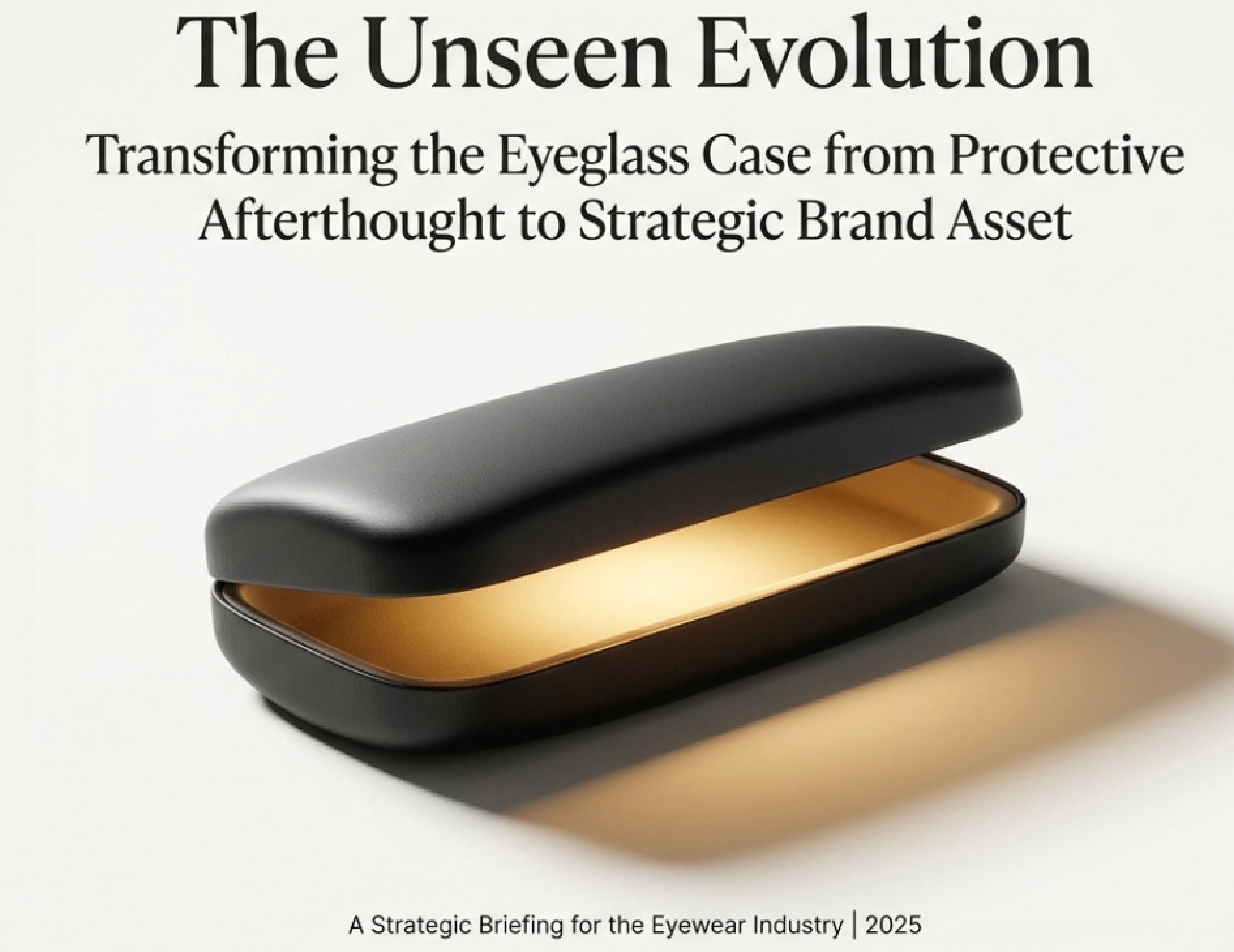
Guide to Eyeglass Case Manufacturing Machines
1. Overview: Eyeglass Case Manufacturing Process
The eyeglass case manufacturing industry has undergone significant transformation in recent years, driven by automation, precision engineering, and increasing global demand. Whether you’re producing hard-shell iron cases, semi-rigid EVA cases, or soft leather pouches, each product type requires a specific set of specialized machinery.
Modern eyeglass case production lines integrate multiple machines that work together seamlessly — from raw material cutting and gluing to forming, covering, stamping, and packaging. Understanding each piece of equipment is essential for manufacturers looking to optimize their production efficiency and product quality.
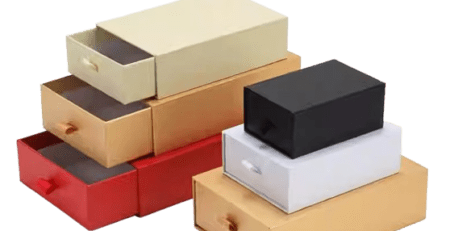
Various types of eyeglass cases produced using specialized manufacturing machines
Types of Eyeglass Cases & Their Manufacturing Requirements
| Case Type | Materials Used | Key Machines Required | Production Volume |
|---|---|---|---|
| Hard Iron Case | Tin/iron sheet, PU leather, velvet lining | Die cutter, forming machine, iron case covering machine | High (5,000–20,000/day) |
| Handmade Case | Cardboard, PU/PVC leather, inner lining | Die cutter, gluing machine, edge folding machine | Medium (1,000–5,000/day) |
| EVA Case | EVA foam, fabric, zipper | EVA forming machine, laminator, sewing machine | High (8,000–25,000/day) |
| Plastic Case | PP/ABS plastic | Injection molding machine, assembly line | Very High (20,000+/day) |
| Soft Pouch/Bag | Microfiber, PU leather, drawstring | Cutting machine, sewing machine, printing machine | High (10,000+/day) |
| Wooden Case | Bamboo, wood veneer, hinges | CNC machine, sanding, lacquer spraying equipment | Low (500–2,000/day) |
2. Production Workflow & Machine Layout
A typical eyeglass case production line follows a sequential workflow. Below is the standard production flow for a hard-shell (iron) eyeglass case, which is the most common type manufactured worldwide:
Material Cutting
Gluing & Laminating
Case Forming
Covering & Wrapping
Stamping & Branding
Inspection & Packing
1 Die Cutting Machine
The die cutting machine is the first piece of equipment in any eyeglass case production line. It precisely cuts raw materials — including PU leather, PVC, fabric, cardboard, and EVA foam — into the exact shapes and sizes needed for case assembly.
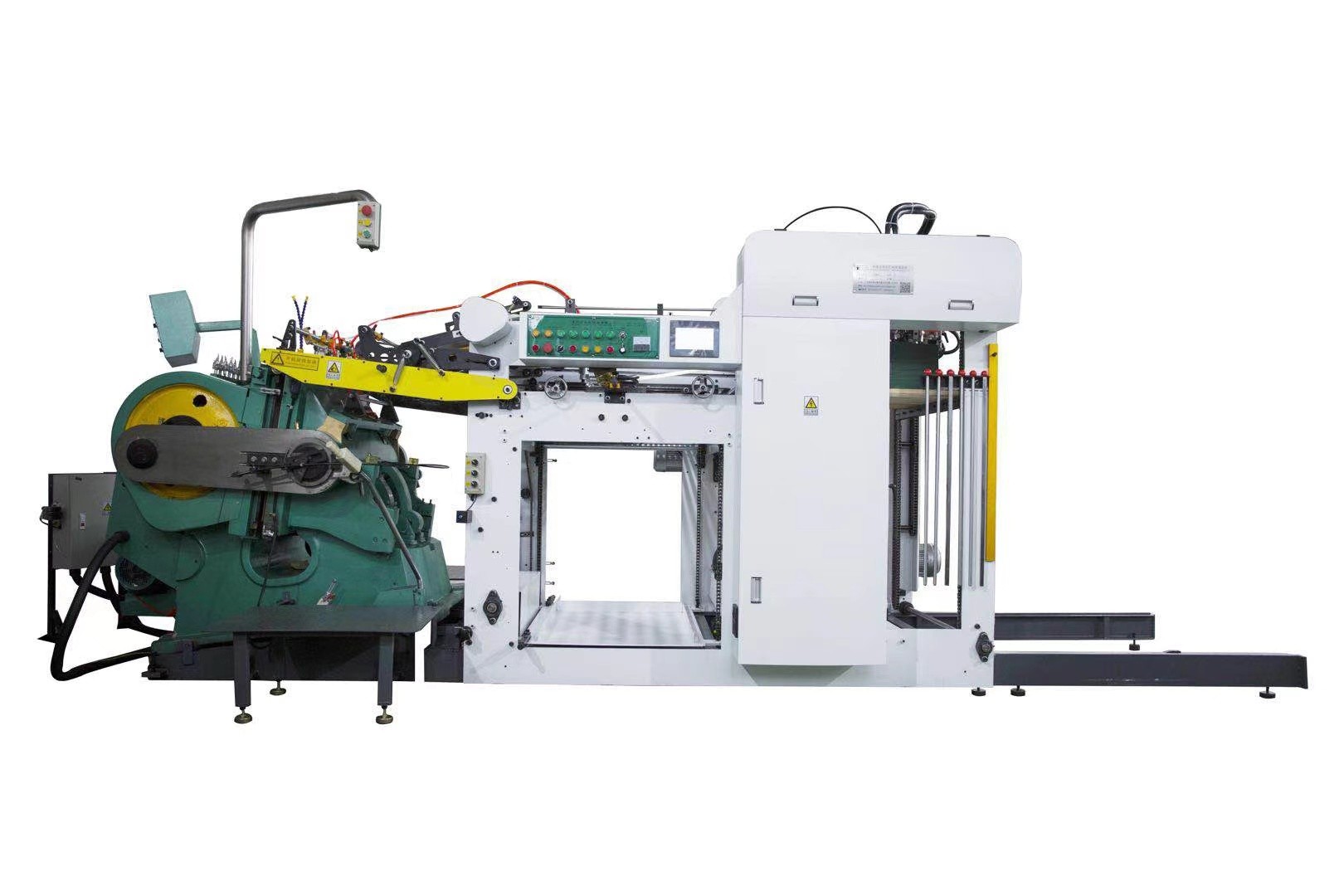
Hydraulic die cutting machine for precision material cutting in eyeglass case production
Key Features:
- Hydraulic pressure system for clean, precise cuts
- Adjustable cutting pressure (10–40 tons) for different materials
- Large working table for batch cutting operations
- Compatible with custom-shaped cutting dies
- Safety features including dual-hand operation and emergency stop
Technical Specifications:
| Parameter | Specification |
|---|---|
| Cutting Force | 10–40 tons |
| Working Area | 500×600mm – 800×1200mm |
| Stroke Speed | 8–15 times/min |
| Power | 2.2–5.5 kW |
| Applicable Materials | Leather, fabric, cardboard, EVA, rubber |
🔗 Learn more: View die cutting machines at EyeglassCaseMachine.com
2 Gluing & Laminating Machine
The gluing and laminating machine applies uniform adhesive layers to bond multiple materials together. In eyeglass case manufacturing, it is essential for laminating PU leather to cardboard, attaching velvet lining to inner shells, and bonding fabric to EVA foam.
▶️ Video: Automatic gluing machine in operation for spectacle case production
Types of Gluing Machines Used:
| Machine Type | Application | Glue Type | Speed |
|---|---|---|---|
| Roller Gluing Machine | Large flat sheets lamination | Water-based, hot melt | 15–30 m/min |
| Spray Gluing Machine | Irregular shapes, edges | Spray adhesive | Varies |
| Hot Melt Laminator | PU/PVC to substrate bonding | Hot melt adhesive | 10–25 m/min |
| Manual Brush Gluing | Small batch, detail work | Any type | Manual |
- Even glue distribution for wrinkle-free lamination
- Adjustable glue thickness (0.05–0.5mm)
- Temperature-controlled systems for hot melt adhesive
- Compatible with water-based, solvent-based, and hot melt glues
- Drying tunnel integration for rapid curing
🔗 Learn more: Explore gluing machine options at EyeglassCaseMachine.com
3 Eyeglass Case Forming Machine
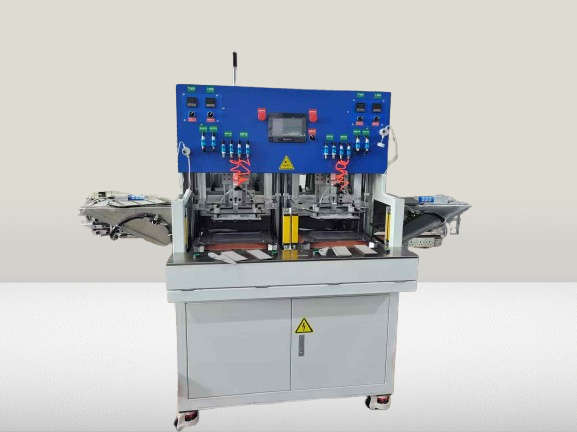
The eyeglass case forming machine is the core equipment in production. It shapes flat metal sheets (tin or iron) into the characteristic curved shell of hard eyeglass cases. This machine uses hydraulic or pneumatic pressure combined with precision molds to form the top and bottom halves of the case.
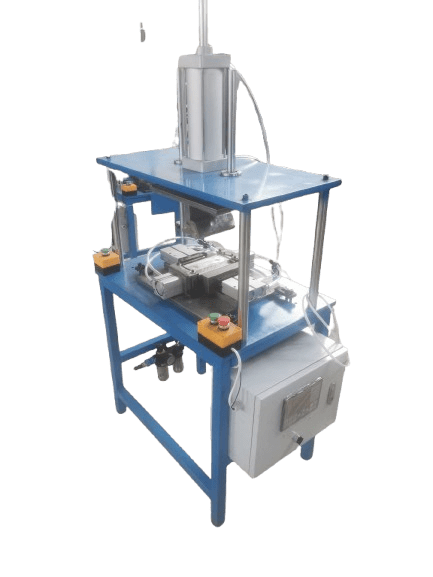
Hydraulic forming press for iron case shells
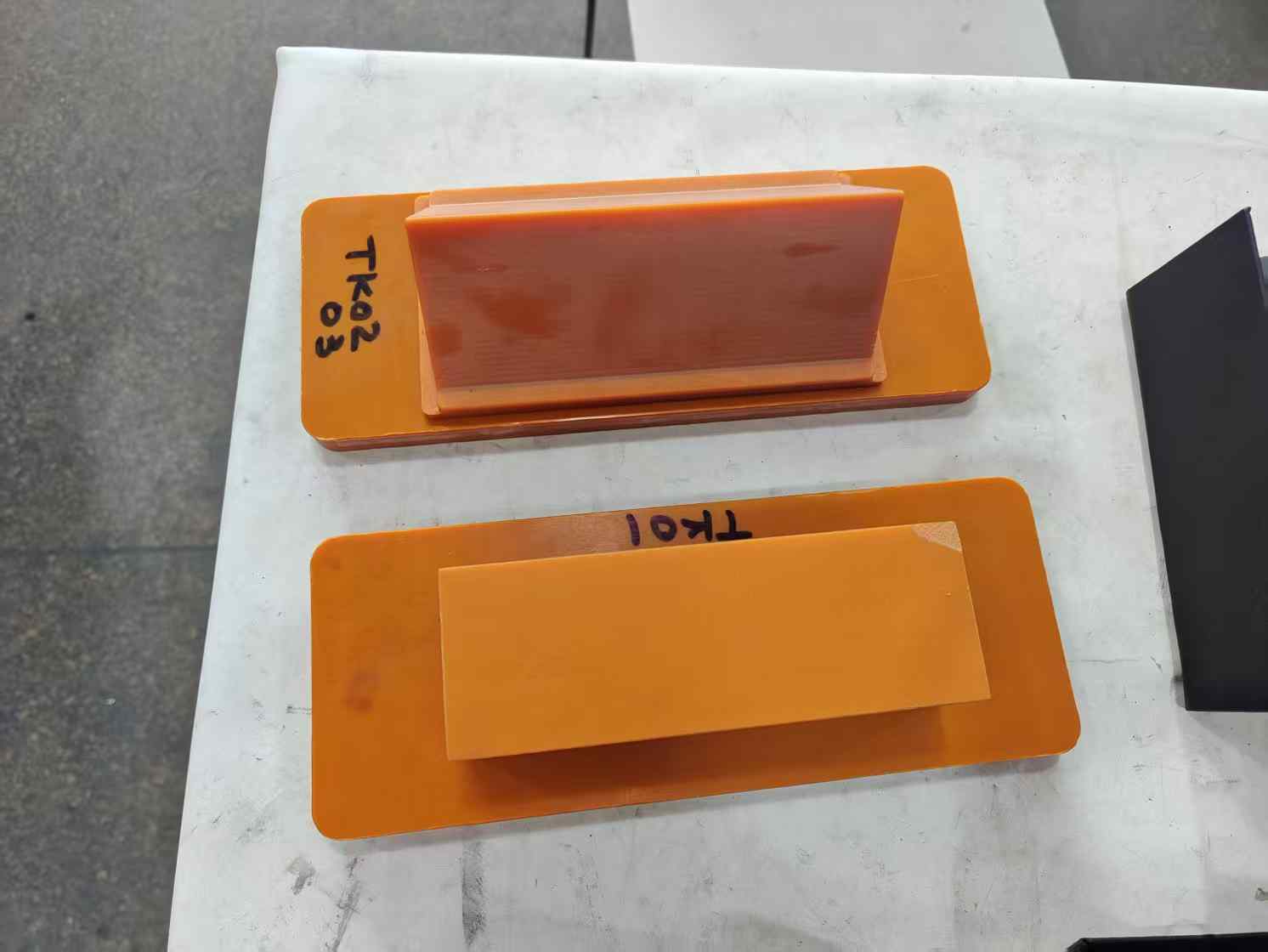
Precision molds for various case shapes and sizes
▶️ Video: Automatic eyeglass case forming machine — from flat sheet to 3D shell
Technical Specifications:
| Parameter | Standard Model | High-Speed Model |
|---|---|---|
| Forming Pressure | 20–50 tons | 30–80 tons |
| Output Speed | 6–10 pcs/min | 15–25 pcs/min |
| Applicable Material | Iron sheet 0.3–0.5mm | Iron sheet 0.3–0.8mm |
| Mold Change Time | 30–60 min | 15–30 min |
| Power | 5.5 kW | 7.5–11 kW |
| Automation Level | Semi-automatic | Fully automatic |
🔗 Learn more: Browse forming machines at EyeglassCaseMachine.com
4 Iron Case Covering Machine (Case Wrapping Machine)
The iron case covering machine — also called a case wrapping machine — is designed specifically to wrap pre-formed iron shells with PU leather, PVC, fabric, or other decorative materials. This is one of the most critical machines in the production line, as the covering quality directly affects the final product appearance.
▶️ Video: Automatic iron case covering machine wrapping PU leather onto metal shells
- Automatic leather positioning and alignment system
- Heat-activated adhesive bonding for wrinkle-free finish
- Edge tucking mechanism for clean corners
- Multiple case sizes handled with quick-change tooling
- Production speed: 400–800 pieces per hour
- Compatible with PU, PVC, genuine leather, and fabric coverings
🔗 Learn more: View iron case covering machines at EyeglassCaseMachine.com
5 Edge Folding & Wrapping Machine
The edge folding machine handles the critical step of folding and tucking the excess covering material around the edges of the eyeglass case. This creates a clean, professional finish around the opening rim of the case. For handmade-style cases, this machine folds the leather or fabric around the cardboard edges.
▶️ Video: Precision edge folding machine creating clean edges on spectacle cases
Edge Folding Machine Specifications:
| Parameter | Specification |
|---|---|
| Folding Width | 5–20mm adjustable |
| Speed | 10–20 m/min |
| Material Thickness | 0.5–3mm |
| Heating Temperature | 80–200°C |
| Power | 1.5–3 kW |
| Applications | PU leather, PVC, fabric over cardboard/iron edges |
🔗 Learn more: Explore edge folding equipment at EyeglassCaseMachine.com
6 Hot Stamping & Logo Printing Machine
The hot stamping machine (also called hot foil stamping machine) is used to apply brand logos, patterns, and decorative designs onto eyeglass cases. This is a crucial value-adding step, as branded cases command significantly higher market prices.
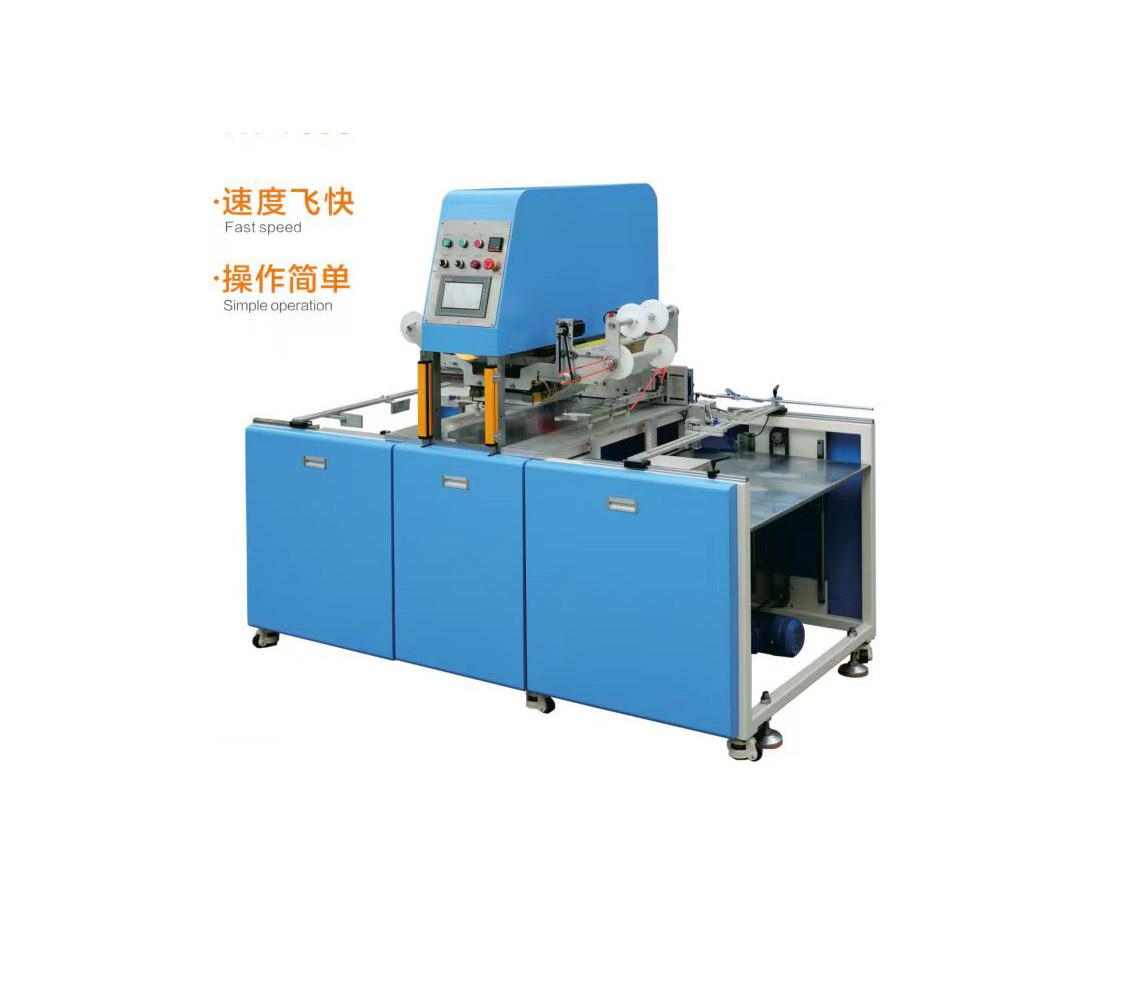
Hot foil stamping machine applying gold logo to PU leather eyeglass case
Printing & Branding Methods Used:
| Method | Best For | Cost | Durability | Speed |
|---|---|---|---|---|
| Hot Foil Stamping | Metallic logos (gold/silver) | Medium | ★★★★★ | 500–1,000/hr |
| Embossing/Debossing | Raised/pressed logo designs | Low | ★★★★★ | 400–800/hr |
| Screen Printing | Multi-color designs | Low | ★★★★☆ | 600–1,200/hr |
| UV Printing | Full-color photographic images | High | ★★★★☆ | 200–500/hr |
| Laser Engraving | Precision detail on leather/wood | Medium | ★★★★★ | 300–600/hr |
🔗 Learn more: See hot stamping machines at EyeglassCaseMachine.com
7 Stitching & Sewing Machine
The industrial sewing machine is essential for producing soft eyeglass pouches, EVA zipper cases, and handmade cases that require stitched seams. Specialized sewing machines designed for thick materials and curved profiles are used in this industry.
▶️ Video: Industrial sewing machine stitching eyeglass soft cases and pouches
- Heavy-duty models for thick PU leather and multi-layer materials
- Programmable pattern stitching for decorative seams
- Walking foot mechanism prevents material slippage
- Zipper attachment capability for EVA cases
- Stitching speed: 1,000–4,000 stitches/min
🔗 Learn more: Find sewing solutions at EyeglassCaseMachine.com
8 EVA Case Forming & Handmade Case Equipment
For EVA (Ethylene Vinyl Acetate) eyeglass cases, specialized compression molding machines heat and press EVA foam sheets into 3D case shapes. These lightweight, durable cases have become extremely popular in recent years.
▶️ Video: EVA compression molding machine forming eyeglass cases
EVA Case Production Equipment List:
| Equipment | Function | Key Specs |
|---|---|---|
| EVA Compression Molder | Shapes EVA foam into 3D case shells | 150–300°C, 20–80 ton pressure |
| EVA Laminating Machine | Bonds fabric/leather to EVA surface | Roller type, 10–20 m/min |
| CNC Trimming Machine | Trims excess EVA after molding | Precision ±0.2mm |
| Zipper Sewing Machine | Attaches zipper to EVA case | 2,000–3,500 stitches/min |
Handmade (Cardboard) Case Equipment
Handmade eyeglass cases are constructed from rigid cardboard or greyboard, covered with decorative material. The following additional machines are used:
- Cardboard Scoring Machine: Creates precise fold lines in greyboard
- Corner Cutting Machine: Rounds corners for smooth edge finishing
- V-Groove Machine: Cuts V-shaped grooves for clean folding on thick board
- Case Lining Machine: Automatically applies inner lining (velvet/satin)
- Hinge Insertion Machine: Attaches metal hinges for case opening/closing
🔗 Learn more: Explore EVA and handmade case machines at EyeglassCaseMachine.com
9 Quality Inspection & Packaging Equipment
The final stage of the eyeglass case production line includes quality inspection and packaging. Modern factories use a combination of manual inspection and automated systems:

Final quality inspection and packaging station in an eyeglass case factory
Inspection & Packaging Equipment:
| Equipment | Purpose |
|---|---|
| Visual Inspection Station | Check surface quality, stitching, logo alignment |
| Snap/Magnet Strength Tester | Test closure mechanism durability |
| Hinge Durability Tester | Open/close cycle testing (5,000+ cycles) |
| Shrink Wrapping Machine | Individual case plastic wrapping |
| Carton Sealing Machine | Automated box sealing for shipping |
| Barcode/Label Printer | Product identification and tracking |
🔗 Learn more: View complete production line solutions at EyeglassCaseMachine.com
10. Complete Machine Comparison Table
Below is a comprehensive comparison of all major machines used in eyeglass case manufacturing, including estimated pricing, power requirements, and production capacity:
| # | Machine | Function | Est. Price (USD) | Power (kW) | Output/Hour | Required For |
|---|---|---|---|---|---|---|
| 1 | Die Cutting Machine | Material cutting | $3,000–$15,000 | 2.2–5.5 | 500–2,000 pcs | All case types |
| 2 | Gluing Machine | Adhesive application | $2,000–$10,000 | 1.5–4 | Continuous | All case types |
| 3 | Laminating Machine | Material bonding | $5,000–$20,000 | 3–7.5 | 300–1,000 m² | All case types |
| 4 | Iron Case Forming Machine | Metal shell shaping | $10,000–$50,000 | 5.5–11 | 400–1,500 pcs | Iron/metal cases |
| 5 | Iron Case Covering Machine | Shell wrapping | $8,000–$35,000 | 3–7.5 | 400–800 pcs | Iron/metal cases |
| 6 | Edge Folding Machine | Edge finishing | $3,000–$12,000 | 1.5–3 | 300–600 pcs | Handmade & iron cases |
| 7 | Hot Stamping Machine | Logo/branding | $1,500–$8,000 | 1–3 | 500–1,000 pcs | All case types |
| 8 | Industrial Sewing Machine | Stitching | $500–$5,000 | 0.4–0.75 | 200–500 pcs | Soft, EVA, handmade |
| 9 | EVA Forming Machine | EVA shell molding | $15,000–$60,000 | 10–30 | 500–2,000 pcs | EVA cases only |
| 10 | Packaging Machine | Wrapping & boxing | $2,000–$10,000 | 1.5–3 | 500–1,500 pcs | All case types |
11. How to Choose the Right Eyeglass Case Manufacturing Equipment
Selecting the right machines for your eyeglass case factory depends on several critical factors:
Step 1: Define Your Product Line
Determine which types of eyeglass cases you plan to manufacture. Each case type requires a different combination of machines:
- Iron cases only: Die cutter + forming machine + covering machine + edge folder + hot stamper
- EVA cases only: Die cutter + EVA molder + laminator + sewing machine + hot stamper
- Handmade cases only: Die cutter + gluing machine + edge folder + lining machine + hot stamper
- Full product range: All machines listed above for maximum flexibility
Step 2: Determine Production Volume
| Production Scale | Daily Output | Automation Level | Est. Equipment Investment |
|---|---|---|---|
| Small Workshop | 500–2,000 pcs | Manual + Semi-auto | $15,000–$50,000 |
| Medium Factory | 2,000–10,000 pcs | Semi-auto + Auto | $50,000–$200,000 |
| Large Factory | 10,000–50,000 pcs | Fully Automatic | $200,000–$1,000,000 |
Step 3: Evaluate Supplier Support
When choosing an equipment supplier, consider these critical factors:
- Machine installation and commissioning support
- Operator training programs included
- Spare parts availability and lead time
- After-sales technical support (remote and on-site)
- Machine warranty period (standard: 1–2 years)
- Customization capability for your specific products
🏭 Ready to Set Up Your Eyeglass Case Production Line?
Get expert consultation on machine selection, factory layout, and complete turnkey solutions for eyeglass case manufacturing.
Visit EyeglassCaseMachine.com →12. Frequently Asked Questions (FAQ)
At minimum, you need a die cutting machine, gluing/laminating machine, forming machine (for iron cases) or EVA molder (for EVA cases), covering/wrapping machine, and a hot stamping machine. The exact equipment list depends on the type of cases you plan to produce. A basic iron case production line can start with 5–6 machines and an investment of approximately $30,000–$80,000.
A complete production line ranges from $30,000 for a basic semi-automatic setup to $500,000+ for a fully automated high-capacity line. The cost depends on production volume, automation level, and the types of cases being manufactured. Most medium-sized factories invest between $100,000–$250,000.
A fully automatic iron case production line can produce 10,000–20,000 cases per day (8-hour shift). Semi-automatic lines typically produce 3,000–8,000 cases per day. EVA case lines can achieve 15,000–25,000 units per day due to faster molding cycles.
Mold changeover time varies by machine model. Standard machines require 30–60 minutes for a complete mold change, while high-end quick-change systems can switch molds in 15–30 minutes. Planning your production schedule to minimize mold changes can significantly improve overall efficiency.
The leading manufacturers of eyeglass case machines are based in China, particularly in Wenzhou, Shenzhen, and Dongguan. You can find specialized suppliers through industry websites like EyeglassCaseMachine.com, trade shows like Canton Fair, and B2B platforms. Always request machine demonstrations and visit the factory before purchasing.
Common materials include: iron/tin sheets (for hard case shells), EVA foam (for semi-rigid cases), cardboard/greyboard (for handmade cases), PU leather and PVC (for outer covering), velvet, satin, and microfiber (for inner lining), magnets and metal hinges (for closures), and PP/ABS plastic (for injection-molded cases).
A semi-automatic line typically requires 8–15 workers per shift, while a fully automatic line may only need 3–6 operators. Key positions include machine operators, quality inspectors, material handlers, and packaging staff. Automation can reduce labor requirements by 50–70%.
13. Related Resources & Links
Explore more information about eyeglass case manufacturing machines and industry resources:
📞 Need Help Choosing the Right Machines?
Our engineering team provides free consultation for eyeglass case factory setup, machine selection, and production line optimization.
Get Free Consultation →





Leave a Reply