
Why Leading Jewelry Brands Are Abandoning Plastic for Rigid Boxes?
Why Leading Jewelry Brands Are Abandoning Plastic for Rigid Boxes?
Your customers hate plastic packaging. Sales are dropping because your packaging looks cheap and hurts the planet. You need a premium, sustainable solution immediately.
Leading brands are switching because consumers demand eco-friendly luxury. Rigid boxes made from greyboard offer a premium unboxing experience that plastic cannot match. By using automatic rigid box machines, manufacturers can produce these sustainable boxes at the same speed and lower costs than traditional plastic molding.
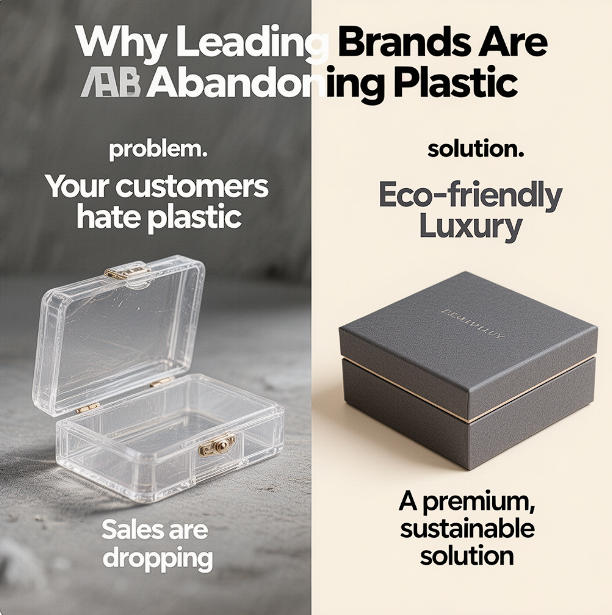
I remember when I started Kylin Machine in 2011. The industry was different. Everyone wanted plastic clam-shell boxes. They were cheap. They were easy. But things have changed. In the last few years, I have seen a massive shift. My customers in the USA and Europe do not want plastic anymore. They want paper. They want texture. They want luxury. This shift is not just a trend. It is a requirement for doing business today. I want to explain why this is happening and how you can adapt your production line.
Why should we stop using plastic packaging?
Plastic waste is destroying your brand image. Customers see plastic and think "cheap" and "wasteful." You lose their trust before they even open the box.
We must stop using plastic because it takes centuries to decompose and pollutes our oceans. Switching to paper-based packaging, processed by high-precision rigid box making machines, allows brands to maintain luxury standards while significantly reducing their environmental footprint.
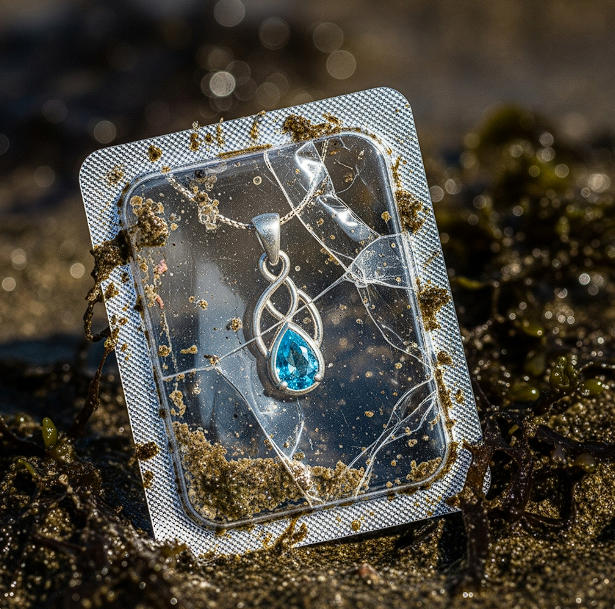
The problem with plastic is visible. We see it in the news. We see it on the beaches. But for a business owner, the problem is economic. Plastic molds are expensive to make. Once you make a mold, you cannot change the size easily. You are stuck with that shape.
Paper is different. Rigid boxes are flexible. You can change the size today. You can change the paper color tomorrow. This flexibility is vital for the jewelry market. Trends change fast. A ring box today needs to be green. Tomorrow it needs to be pink.
At Kylin Machine, we build the Robotic Spotter. This machine helps you make this switch. It handles the cardboard and paper with robot arms. It is cleaner than making plastic boxes. There are no toxic fumes from melting plastic.
Also, the "unboxing" trend on social media hates plastic. Plastic makes a loud, cracking noise. Paper boxes make a soft, satisfying sound. The magnetic closure box creates a premium click. This adds value.
Here is a comparison of the materials:
| Feature | Plastic Box | Rigid Box (Machine Made) |
|---|---|---|
| Tooling Cost | High (Molds cost thousands) | Low (Knife dies are cheap) |
| Flexibility | Low (Cannot change size) | High (Adjust machine settings) |
| Brand Perception | Cheap, Mass Market | Premium, Eco-Conscious |
| Decomposition | 400+ Years | Biodegradable |
Are rigid boxes sustainable?
You worry that cutting down trees is also bad. You wonder if paper packaging is actually better. You need to know the truth about materials.
Rigid boxes are highly sustainable because they use recycled greyboard and animal-based jelly glues. Modern automatic case makers further enhance sustainability by minimizing glue usage and reducing paper waste through precise optical positioning.

I get this question a lot. People ask me, "Jacob, isn’t paper bad for forests?" The answer lies in the core material. Rigid boxes use greyboard. Greyboard is made from recycled paper pulp. It is compressed waste paper. We are not cutting down new forests for the core of the box.
The production process matters too. In manual production, workers use too much glue. They make mistakes. They throw away damaged boxes. This is waste.
Our automatic box wrapping machines are precise. The camera looks at the paper. The robot arm places the box. The accuracy is ±0.05mm. This means every sheet of paper is used correctly. We do not throw away materials.
Also, the glue we use in our machines is "jelly glue." This glue comes from animal gelatin. It is natural. It dissolves in water. It returns to the earth. Plastic glue does not do this. Plastic foam inserts do not do this.
To be truly sustainable, you must also look at shipping. We design collapsible box machines. These make boxes that fold flat. You can ship 5,000 flat boxes in one pallet. If they were pre-assembled plastic boxes, you would need ten pallets. This saves fuel. This reduces carbon emissions. Sustainability is about the material and the logistics.
What are two reasons that packaging is harmful to the environment?
Pollution is everywhere and landfills are full. Your packaging adds to this pile every day. You are paying to damage the earth.
The two main reasons packaging harms the environment are non-biodegradable materials and inefficient production waste. Utilizing grooving machines and automated assembly lines drastically reduces the scrap rate, ensuring that fewer resources are consumed during manufacturing.
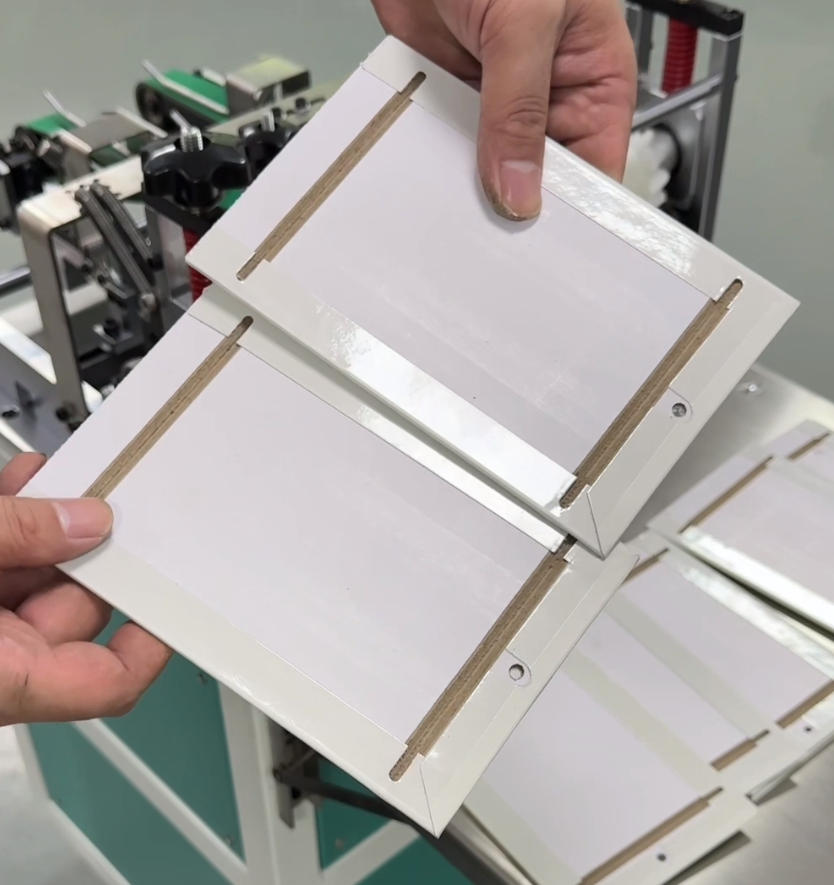
Let’s look closer at these two reasons.
First, the material lifespan. Plastic packaging lingers. A cheap plastic ring box will exist for 400 years. It breaks into microplastics. It enters the food chain. This is a long-term harm. Paper packaging decomposes in months. Even if it ends up in a landfill, it breaks down.
Second, the production waste. This is where I see the biggest problem in factories. I visit many factories in China and India. I see piles of ruined materials. This happens because of bad machinery or unskilled labor.
If you use a V-grooving machine incorrectly, you ruin the board. You throw it away. That is waste. If your workers smear glue on the velvet lining, you throw it away. That is waste.
Technology solves this. Kylin machines use sensors. If the paper is not there, the machine stops. It does not pump glue. If the box is not straight, the robotic positioning system adjusts it. We reduce the "scrap rate" to almost zero.
Here is the impact of automation on waste:
Production Waste Analysis
- Glue Waste: Manual application uses 50% more glue than our gluing machine.
- Paper Waste: Visual positioning systems prevent misalignment. You save 5-10% on paper costs.
- Energy Waste: Old machines run all day. Our machines have "standby" modes and efficient motors.
The machinery you choose decides how harmful your process is.
Why do companies continue to use plastic?
Plastic is cheap and familiar. You feel safe using it. Breaking old habits feels risky and expensive.
Companies stick to plastic because of low per-unit costs and established supply chains. However, investing in rigid box production lines brings the cost of paper packaging down, making it a competitive and superior alternative for the long term.

I ask my clients this question. Why do they still buy plastic trays? They tell me, "Jacob, it is just cheaper."
This is true for small quantities. If you make 1,000 boxes, a plastic mold might seem easy. But look at the long term. The price of plastic is tied to oil prices. Oil is getting expensive. The price is unstable.
Also, labor costs are rising. In the past, making rigid boxes required 20 people sitting at a table. They folded paper by hand. It was slow. It was expensive. That is why companies liked plastic—it was made by machines.
Now, we have automatic box making machines. One machine replaces 15 workers. One operator controls the whole line. This brings the labor cost down to almost zero. The only cost is the paper and the electricity.
When you calculate the total cost, paper is now competitive.
- Plastic: High Mold Cost + Low Unit Cost + High Environmental Risk.
- Rigid Box (Manual): Low Tooling Cost + High Labor Cost.
- Rigid Box (Kylin Machine): Low Tooling Cost + Low Labor Cost + High Brand Value.
Companies also fear change. They think paper is weak. But with a corner pasting machine, we use heat tape to secure the corners. The box becomes very strong. It can hold heavy perfume bottles or gold statutes. It is not weak.
The companies that switch now will win the market. The companies that stay with plastic will lose customers.
Conclusion
The shift from plastic to rigid boxes is necessary for survival. It saves the planet and elevates your brand. Invest in Kylin packaging machinery to lead this change efficiently.

发表回复