


Book Binding Machinery Market 2026: Short-Run Automation Surge
The global book binding machinery market is entering a decisive phase of transformation in 2026. As publishing models shift from mass production toward agile, short-run manufacturing, the demand for flexible and automated binding equipment has never been stronger. For machinery buyers, converters, and print finishing operations, understanding the data behind this shift is essential for making informed capital investment decisions.
The Global Book Binding Machinery Market at a Glance
The global book market is projected to reach approximately USD 160.83 billion in 2026, expanding at a compound annual growth rate (CAGR) of over 4.4% toward USD 238.37 billion by 2035. While digital media continues to evolve, physical books have demonstrated remarkable resilience, particularly in the hardcover and special edition segments. This sustained consumer demand directly fuels procurement activity across perfect binding, saddle stitching, and case binding machinery categories.
In Northern America, the unsewn binding machines segment is undergoing what industry analysts describe as a pivotal transformation. The market is moving beyond traditional cyclicality toward a nuanced growth trajectory defined by short-run and on-demand production, integrated digital workflow solutions, and rising sustainability priorities across the value chain.
Why Binding Machinery Demand Is Accelerating
Several converging forces drive binding equipment procurement in 2026. First, the number of new titles published annually continues to rise even as average print runs shrink. Second, direct-to-consumer publishing platforms have democratized book production, creating thousands of small-scale publishers who need professional-grade finishing. Third, labor shortages across print finishing operations make automation a necessity rather than a luxury. Fourth, the replacement cycle for aging equipment installed during the 2010-2015 boom is now maturing.
Short-Run Production: The New Normal in Book Manufacturing
The most powerful trend reshaping the book binding machinery market is the structural shift toward short-run production. Publishers are managing more niche titles, regional editions, educational updates, and limited-release special editions than ever before. This makes smaller batch sizes the norm rather than the exception across commercial book manufacturing.
Setup Efficiency Becomes a Profit Driver
When average print runs decrease, the cost of machine setup becomes proportionally larger. A case binding machine that requires 20 minutes of manual adjustment between job changes can lose hours of productive time across a single shift handling multiple small batches. Modern binding equipment featuring digital job recall, servo-driven automatic adjustments, and tool-less changeover systems can reduce setup times by up to 60%, turning short-run complexity into a genuine competitive advantage.
Recent industry studies indicate that AI-supported workflow automation can handle a significant share of repetitive tasks in binding operations, delivering efficiency improvements of up to 40%. For book manufacturers running diverse job queues with frequent changeovers, this capability translates directly into higher margins and faster turnaround times.
Regional Growth Hotspots: Asia-Pacific Leads the Charge
The geographic distribution of binding machinery demand tells a compelling story for equipment suppliers. Asia-Pacific dominates global growth trajectories, with India recording a 5.5% CAGR and China following at 5.3% through 2036. These markets benefit from expanding domestic publishing output, rising literacy rates, and a growing middle class that increasingly demands quality printed materials.
In China, the combination of massive textbook publishing programs and a surging luxury book and special edition market creates demand across both high-volume and premium binding segments. India’s growth is fueled by organized retail expansion, educational publishing reforms, and increasing export-oriented print manufacturing that requires internationally competitive finishing quality.
North America remains the largest single market by value, driven by equipment replacement cycles and the transition from legacy machinery to digitally integrated binding lines. Europe maintains steady demand across Germany, France, and Italy, supported by strong cultural preference for physical books, well-established publishing infrastructure, and stringent quality requirements that favor investment in precision binding equipment.
The US Craft Bookbinding Market: A Surprising Signal
A noteworthy data point for machinery manufacturers is the US bookbinding and leather craft market, which generates an estimated USD 890 million in 2026. While much of this represents artisanal hand-binding at the craft scale, it signals robust end-consumer demand for premium bound products. This trend ultimately drives investment in professional-grade binding equipment as successful craft producers scale their operations.
AI and Automation: Redefining Binding Efficiency
The integration of artificial intelligence into book binding machinery represents the most significant technological leap in 2026. According to industry research, 54% of publishers are already adopting AI for content enhancement and workflow automation, and this digital maturity is increasingly extending to the production floor.
Predictive Maintenance and Quality Control
Modern binding machines equipped with AI-driven sensors monitor vibration, temperature, and output consistency in real time. Machine learning algorithms predict component wear before failure occurs, preventing unplanned downtime during critical production windows. For book manufacturers operating on tight seasonal schedules — such as educational publishers preparing for back-to-school periods — this predictive capability is invaluable for maintaining delivery commitments.
AI-powered vision inspection systems also ensure binding quality at production speeds. Misaligned signatures, inconsistent glue application, and spine defects can be detected and flagged automatically, reducing material waste and protecting the manufacturer’s reputation with publishing clients.
Sustainability Pressures Reshape Equipment Requirements
Environmental regulations and corporate ESG commitments are reshaping the binding machinery market as profoundly as technology. The global push toward circular economy principles means book manufacturers must increasingly use recycled paperboard, bio-based adhesives, and FSC-certified cover materials. Binding equipment designed a decade ago often struggles with these sustainable substrates.
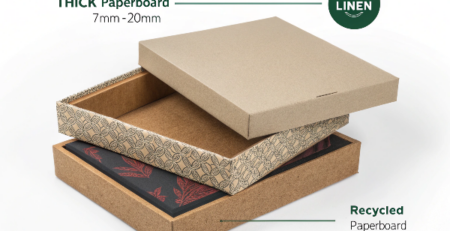
Recycled paperboard has different fiber characteristics than virgin material — it can be more brittle, more prone to warping, and less consistent in thickness. Modern case making and casing-in machines incorporate adaptive tension control and intelligent glue application systems that compensate for these material variables, maintaining production quality while enabling full sustainability compliance.
What This Means for Machinery Buyers in 2026
For packaging converters, print finishers, and book manufacturers evaluating equipment purchases, the 2026 market signals point toward four clear priorities. First, prioritize flexibility — machines with quick changeover capabilities and digital job recall will generate higher ROI in a short-run production environment. Second, invest in connectivity — equipment that integrates with upstream prepress and downstream logistics workflows reduces manual touchpoints and costly errors.
Third, verify sustainable material handling — ensure any new binding machine can reliably process recycled and FSC-certified substrates without compromising output quality. Fourth, evaluate total cost of ownership holistically — AI-enabled predictive maintenance and energy-efficient servo drives reduce long-term operating costs well beyond the initial purchase price.
Kylin Machinery addresses these evolving market needs with a comprehensive range of book binding solutions engineered for real factory production environments. The Book Casing-in Machine delivers accurate gluing and casing-in with digital controls, supporting production speeds of up to 12 books per minute with consistent quality across shifts. The Hard Cover Making Machine enables efficient case production at approximately 180 to 360 pieces per hour, helping manufacturers align cover preparation with the faster pace of modern digital printing workflows. For premium finishing and specialty publishing, the Automatic Case Maker Machine provides high-precision board and cover production with repeatable accuracy for luxury editions, photo books, and limited-run hardcover projects.


Leave a Reply