
Is Your Packaging Harming Our Planet? Time for a Change?
Are you worried about your packaging’s environmental impact? It’s a growing concern for businesses and consumers alike. The good news? Sustainable solutions are here.
Yes, traditional packaging can be harmful, but innovative, eco-friendly alternatives are rapidly becoming the new standard. Adopting sustainable packaging isn’t just good for the Earth; it’s good for your brand and bottom line, attracting environmentally conscious customers.
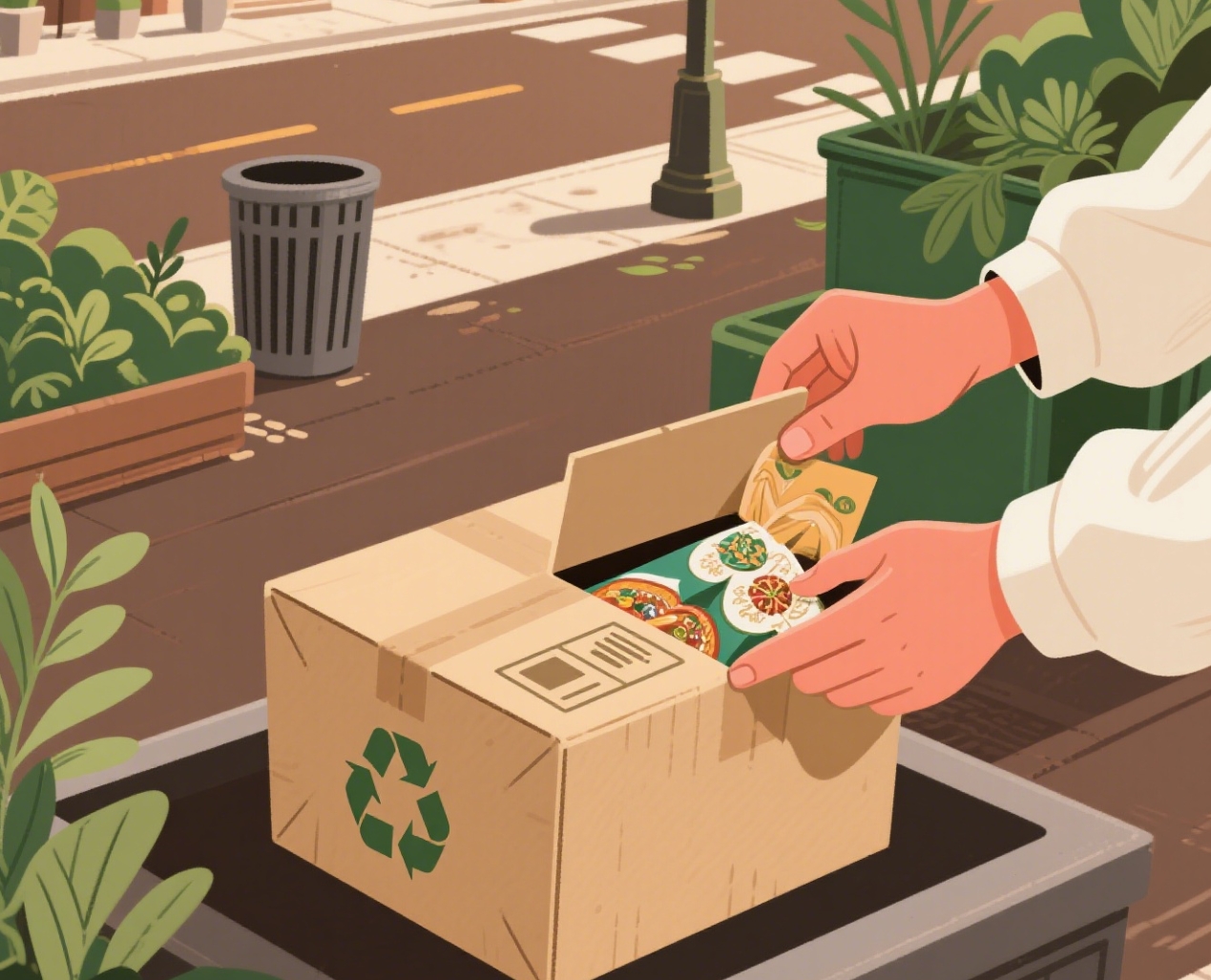
As a business owner in the packaging and printing industry, I’ve seen firsthand the shift in priorities. Customers are no longer just looking for functional and aesthetically pleasing packaging; they are demanding solutions that align with their values. This is where we, at Kylin Machine, come in. We understand the challenges and opportunities this presents, especially for businesses like yours that rely on high-quality post-press machinery.
Why is Everyone Talking About Biodegradable Packaging?
Feeling overwhelmed by plastic waste statistics? Wondering if your packaging choices are contributing to the problem? You’re not alone. Many businesses are seeking better options.
Biodegradable packaging is a hot topic because it offers a way to significantly reduce plastic pollution. Materials like starch, cellulose, and PLA break down naturally, minimizing long-term environmental harm and appealing to eco-conscious consumers.
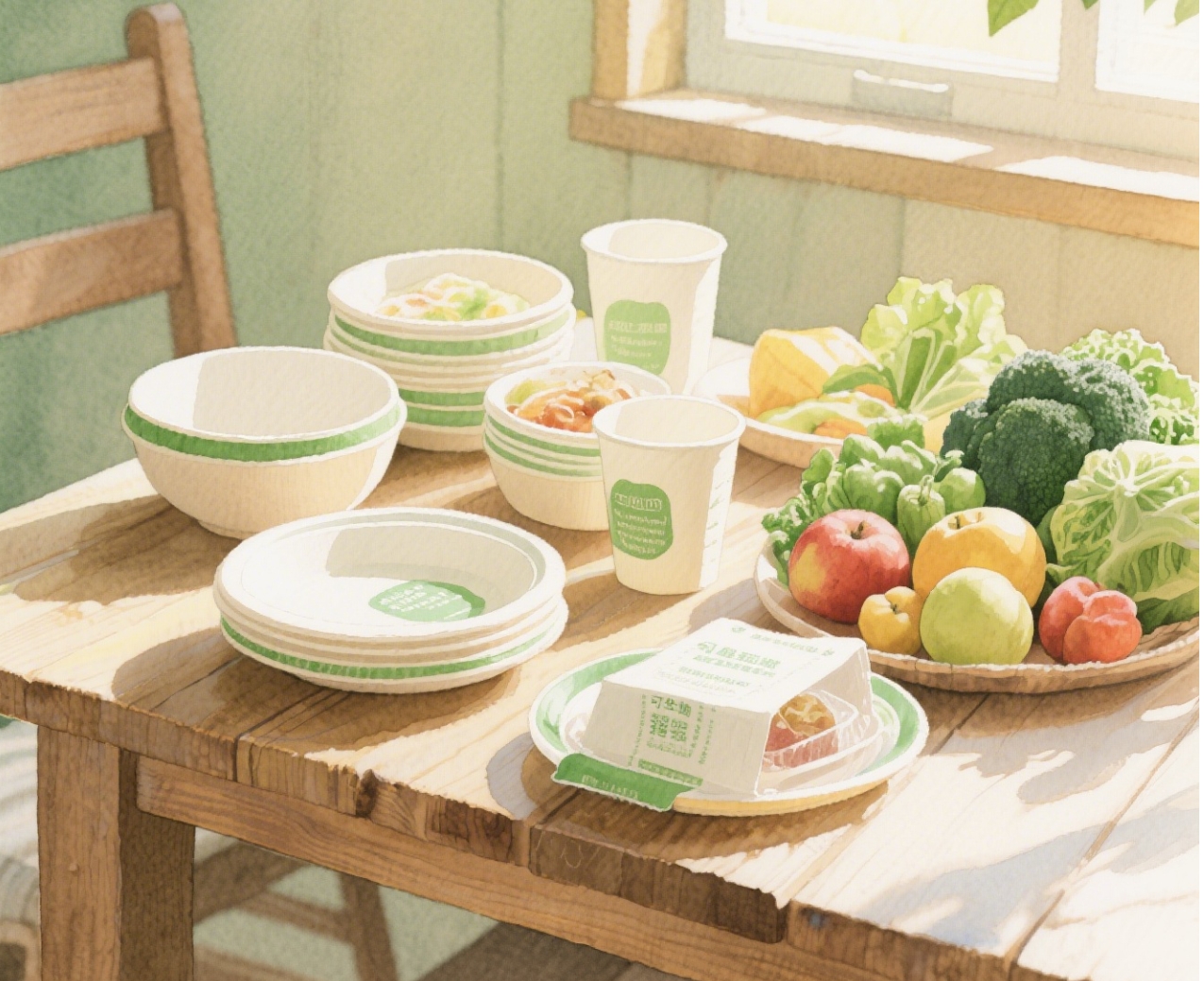
At Kylin Machine, we’ve been closely following these developments. Our journey began in May 2003 in Dongguan, China, with a mission to provide advanced machinery for rigid boxes, round boxes, collapsible boxes, and book covers. We’ve always focused on technology, and the rise of biodegradable materials presents exciting new avenues for our Robotic Spotter and Hybrid technology. Imagine producing stunning rigid boxes with materials that are kind to the planet. This isn’t a distant dream; it’s a present-day reality we can help you achieve. Many of our 2,500 users across more than 20 countries are already exploring these options, and our machines are designed to adapt. We’ve seen how our clients in the Graphic Arts, Paper Converting, and Bookbindery industries are leveraging these new materials to meet market demands. For instance, a client in the Middle East recently transitioned to using PLA-based films for their luxury packaging, produced efficiently on our post-press machines, and saw a significant boost in brand perception.
What are the Real Benefits of Biodegradable Materials?
| Benefit | Description | Impact on Your Business |
|---|---|---|
| Reduced Pollution | Breaks down naturally, unlike plastics that persist for centuries. | Enhances brand image as environmentally responsible. |
| Lower Carbon Footprint | Often made from renewable resources, requiring less energy to produce than traditional plastics. | Can lead to cost savings in the long run and appeal to sustainability-focused investors. |
| Increased Consumer Appeal | Consumers are increasingly choosing brands that use sustainable packaging. | Drives sales and customer loyalty, particularly among younger demographics. |
| Versatility | New biodegradable materials are becoming increasingly versatile for various packaging applications. | Allows for creative and functional packaging designs without compromising on sustainability, supported by our Kylin Machine equipment. |
Are Recyclable Packaging Options Truly Effective?
Concerned that ‘recyclable’ is just a buzzword? Doubting if materials actually get recycled? It’s a valid concern given the complexities of recycling systems.
Recyclable packaging is highly effective when designed correctly and supported by proper recycling infrastructure. Using materials like PCR (Post-Consumer Resin) and mono-materials significantly increases the chances of packaging being successfully recycled and reused.
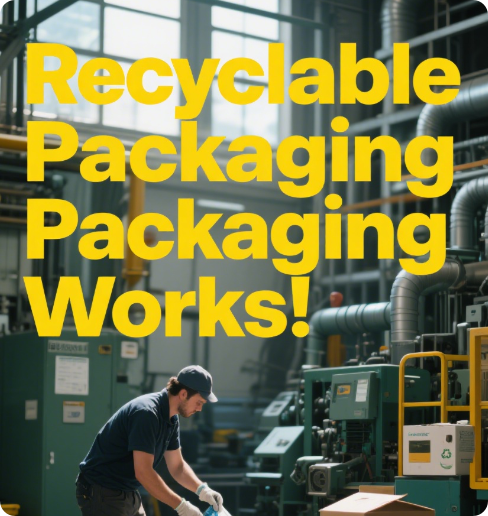
From our 5,000 square meter factory near Hong Kong and Guangzhou, we’ve shipped countless rigid box machines and hard book cover solutions globally. We’ve learned that the machinery’s role doesn’t end with production. It extends to enabling sustainable practices. For example, our machines can handle various recyclable papers and boards with precision. One of our UK-based clients, a large bookbindery, uses our book cover packing craft machinery to work exclusively with FSC-certified and recycled paper stocks. They’ve found that not only does this meet their sustainability goals, but it also resonates strongly with publishers and end-consumers. The key is designing packaging for recyclability from the outset – something our R&D team at Kylin Machinery Limited is keenly focused on when advising clients on material compatibility with our equipment. We also emphasize the importance of clear labeling to help consumers recycle correctly.
How Can Businesses Maximize Recyclability?
| Strategy | Description | Kylin Machine’s Role |
|---|---|---|
| Choose Mono-Materials | Packaging made from a single type of material is much easier to recycle than mixed materials. | Our machines are versatile and can be calibrated for a wide range of single-material substrates, ensuring efficient rigid box manufacturing. |
| Use PCR Content | Incorporating Post-Consumer Resin reduces reliance on virgin plastics and supports a circular economy. | We provide guidance on how our post-press machines can process materials with PCR content without sacrificing quality. |
| Design for Disassembly | If multiple materials are unavoidable, design packaging so components can be easily separated for recycling. | While our focus is on the primary packaging, we advise on designs that simplify end-of-life processing. |
| Clear Recycling Labels | Use standardized labels (e.g., How2Recycle) to clearly inform consumers how to recycle the packaging. | We encourage clients to integrate clear labeling into their packaging designs produced on our Kylin Machine equipment. |
| Educate Consumers | Provide information on your website or packaging about the recyclability of your materials. | We support our clients by sharing knowledge about sustainable material choices compatible with their packaging machinery. |
Could Edible Packaging Be the Future of Zero Waste?
Intrigued by the idea of packaging you can eat? Seems futuristic, right? But is it practical for mainstream use, especially in B2B wholesale?
Edible packaging is a groundbreaking innovation with the potential to eliminate waste entirely for certain products. While still niche, its applications in food service and single-serve items are growing, showcasing a truly circular approach.
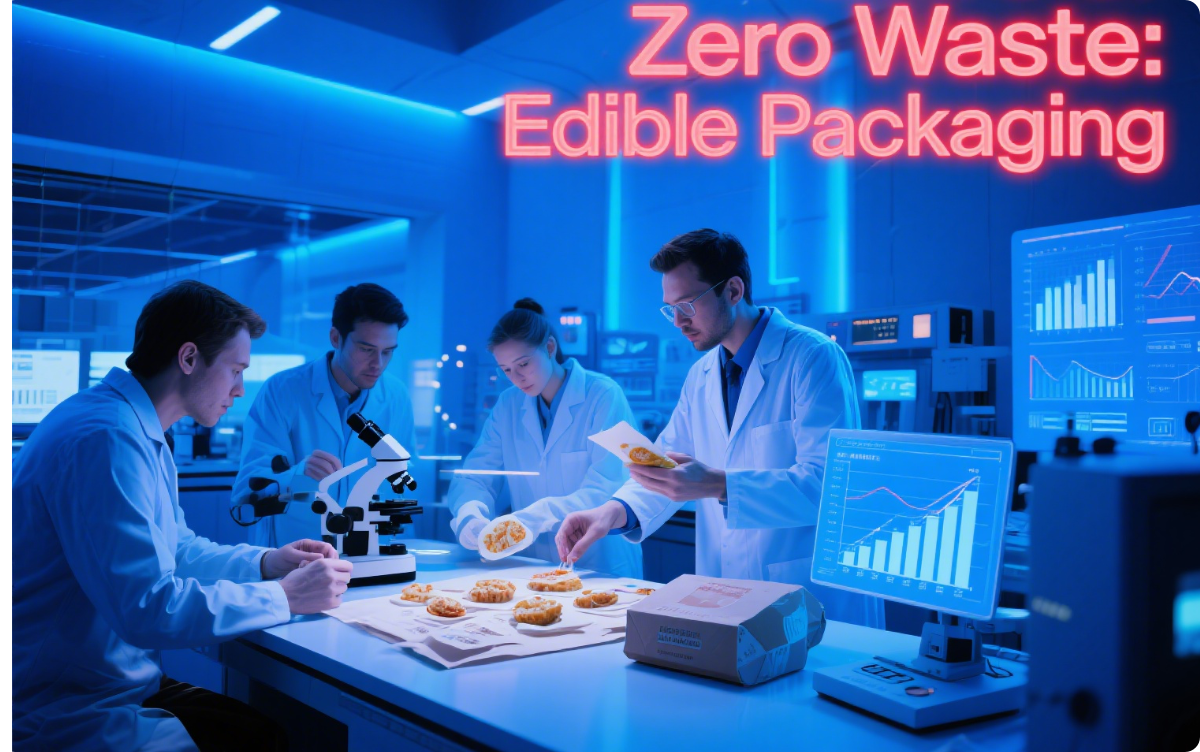
As a manufacturer of post-press machines primarily for paper and board, edible packaging might seem outside our direct scope. However, the underlying principle of waste reduction is something we champion at Kylin Machine. Our focus on high technology like Robotic Spotters and Hybrid systems is all about efficiency and minimizing material waste during the production of rigid boxes and hard book covers. While our machines don’t make edible films, the innovative spirit behind edible packaging inspires us to continuously improve our own processes. Perhaps one day, secondary packaging or inserts created by our machines will complement primary edible packaging. For now, we support our clients in the Graphic Arts and Paper Converting industries by ensuring our collapsible box machines and round box machines are as efficient as possible, reducing their material consumption and waste, which is a step in the same sustainable direction.
What are the Pros and Cons of Edible Packaging?
| Aspect | Pros | Cons | Relevance to Kylin Machine Clients |
|---|---|---|---|
| Waste | Eliminates packaging waste completely if consumed. | If not consumed, it still needs to degrade; potential for food waste if it spoils before the product. | Indirectly relevant. Focus on minimizing waste in traditional packaging production using efficient Kylin Machine equipment is our contribution. |
| Material | Made from natural, often food-grade ingredients. | Limited structural integrity for some applications; potential allergen concerns. | Our clients primarily use paper/board, but awareness of all sustainable options is valuable. |
| Shelf Life | Can sometimes extend product shelf life (e.g., certain edible films). | May have a shorter shelf life itself than traditional packaging. | Not directly applicable to our machinery, but an interesting development in the broader packaging ecosystem. |
| Consumer Exp. | Novel and engaging; can enhance brand experience. | Consumer acceptance and hygiene perceptions can be a barrier. | Highlights the importance of innovation, a core value at Kylin Machine. |
| Cost | Currently can be more expensive than traditional packaging. | Production scale and material costs are still evolving. | We focus on providing cost-effective machinery solutions for established materials like those used in rigid box making. |
How Do Bio-Based Inks Contribute to Greener Printing?
Ever considered the environmental impact of the inks on your packaging? It’s an often-overlooked aspect, but traditional inks can contain harmful VOCs.
Bio-based inks, derived from renewable resources like soy or vegetable oils, significantly reduce VOC emissions and reliance on fossil fuels. They are a crucial component of truly sustainable packaging and printing processes.
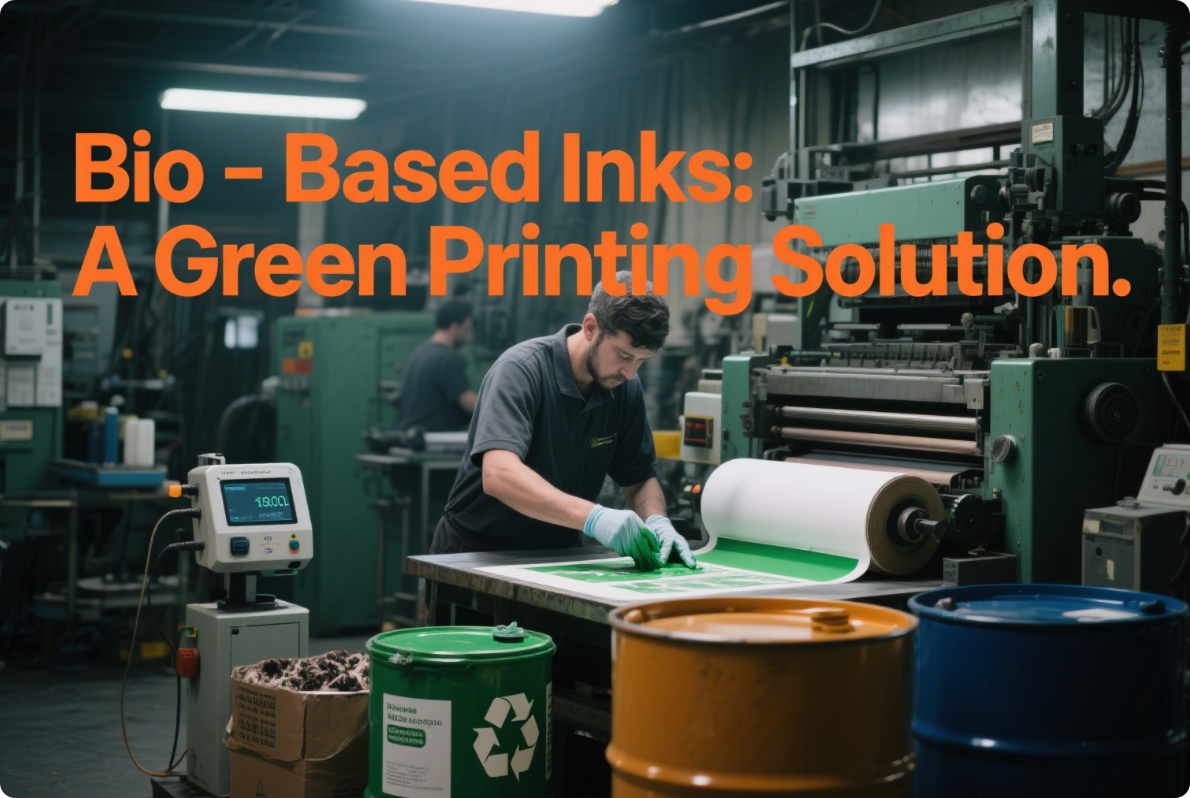
At Kylin Machine, while we manufacture the post-press machinery rather than the inks themselves, the choice of ink is critical for our clients in the Graphic Arts industry. Our machines, including those for book cover packing craft, are designed to work with a variety of substrates and can be compatible with items printed using these eco-friendly inks. We have distributors worldwide, from the Middle East to the USA, and we hear a consistent message: the demand for sustainable printing practices is rising. Using bio-based inks not only improves the environmental profile of the final product – be it a rigid box or a hard book cover – but also contributes to a safer working environment in printing facilities. This aligns with our commitment at Kylin Machinery Limited to support the entire value chain in becoming more sustainable. Our R&D team ensures our equipment performs optimally, even with newer ink formulations that might have different drying or absorption characteristics.
What Makes Bio-Based Inks a Smarter Choice?
| Feature | Traditional Inks (Petroleum-Based) | Bio-Based Inks (e.g., Soy, Vegetable) | Advantage for Your Business |
|---|---|---|---|
| Source of Raw Material | Finite fossil fuels | Renewable agricultural resources | Reduces dependence on volatile oil prices and supports agriculture. |
| VOC Emissions | Higher | Significantly Lower / VOC-Free | Improves air quality in print shops, safer for workers, and less environmental pollution. Crucial for clients using our Kylin Machine equipment. |
| Biodegradability | Poor | Generally more biodegradable | Makes the entire package more eco-friendly, especially when combined with biodegradable substrates processed on our rigid box machines. |
| Recyclability | Can sometimes hinder de-inking | Often easier to de-ink, improving paper recycling | Enhances the recyclability of printed paper products. |
| Color Vibrancy | Good | Can be equally vibrant, sometimes brighter | No compromise on print quality for your packaging. |
Conclusion
Sustainable and eco-friendly packaging is no longer a niche trend but a fundamental shift. Embracing these changes with the right Kylin Machine technology can enhance your brand and future-proof your business.



发表回复