


Paper Packaging Machinery Boom: Supply Chain Crisis 2026
The global packaging machinery sector is experiencing a dramatic transformation in 2026. Supply chain disruptions—most notably the Strait of Hormuz instability—have sent petrochemical prices surging, triggering an accelerated conversion from plastic to paper-based packaging across multiple industries. For paper packaging machinery manufacturers and B2B buyers, this represents both a supply chain challenge and a generational investment opportunity.
At interpack 2026 in Düsseldorf, the message from converters and equipment suppliers was unmistakable: the economics of packaging materials have shifted, and paper is the primary beneficiary. SCREEN Europe’s live demonstrations of the Truepress PAC 520P drew sustained attention from converters reassessing their material strategies, while conversations across the show floor confirmed that polyethylene spot prices have climbed sharply—in some cases exceeding levels seen during the 2022 Russia-Ukraine energy crisis.
The Supply Chain Shock Reshaping Packaging Investment
The Strait of Hormuz disruption has reduced global petrochemical availability at a time when packaging demand continues to grow. Shipping networks, production facilities, and operating rates will take time to reset, and the structural premium now attached to secure chemical supply is likely to keep plastics prices elevated well into the medium term.
For packaging converters who were already managing PPWR (Packaging and Packaging Waste Regulation) compliance deadlines and persistent labor pressures, this volatility has made the business case for paper-based packaging machinery investment stronger than ever. The question is no longer “should we switch to paper?” but “how fast can we scale paper production capacity?”
Market Data: The Numbers Behind the Shift
The quantitative picture confirms what the trade show floor suggested. According to Fortune Business Insights, the global rigid box market was valued at $68.34 billion in 2026 and is projected to reach $100.35 billion by 2034, growing at a 4.92% CAGR. The luxury rigid box segment alone is valued at approximately $8.84 billion in 2026, with Asia-Pacific leading manufacturing growth at a 7.20% CAGR from China.
The paper bag machinery market tells a parallel story. Industry analysis valued the global paper bag machines market at approximately $1.2 billion in 2025, with projections of 7.5% CAGR through 2031. The broader paper bag packaging market has reached an estimated $8.05 billion, growing at 5.90% CAGR toward a projected $12.73 billion by 2034. These figures reflect not just regulatory pressure but a structural reallocation of packaging procurement budgets.
Three Machinery Categories Benefiting Most
1. Fully Automatic Paper Bag Machines
As retailers, grocery chains, and e-commerce platforms abandon plastic carrier bags, demand for high-speed roll-fed paper bag machines has surged. Modern automatic lines producing 150–250 bags per minute with servo-driven precision and in-line flexographic printing are becoming the standard for converters serving supermarket and food-service accounts. Manufacturers investing now are positioning ahead of regulatory curves in Europe, North America, and Asia-Pacific.
2. Rigid Box Production Lines
The luxury packaging sector is converting from plastic inserts and mixed-material structures to fully paper-based rigid boxes. This trend directly benefits manufacturers of automatic rigid box forming machines and complete rigid box production lines. With paperboard already commanding a 55–58% material share in the rigid box market, machinery that can handle recycled paperboard, eco-friendly adhesives, and precision folding for premium brands is seeing accelerating order volumes.
3. Hardcover Book Binding and Case Making Equipment
The book manufacturing sector, while distinct from flexible packaging, benefits from the same material economics. Publishers facing rising costs for synthetic cover materials and protective wraps are shifting toward paper-based hardcover solutions. This creates downstream demand for book casing-in machines and hard cover making machines capable of consistent output at 12+ books per minute.
Regional Hotspots: Where Machinery Investment Is Concentrating
India leads rigid box demand growth at 5.1% CAGR, driven by expanding organized retail, food processing, and cosmetics manufacturing. China follows at 4.3% CAGR, fueled by electronics export packaging and domestic e-commerce gift boxing requirements. The Asia-Pacific region as a whole dominates manufacturing growth, with countries like Vietnam, Indonesia, and Thailand emerging as secondary hotspots for packaging machinery procurement.
In Europe, PPWR compliance deadlines are compressing investment timelines. Brands that previously planned gradual transitions from plastic to paper are now accelerating machinery purchases to meet 2026-2027 regulatory milestones. In North America, the U.S. rigid packaging market reached $147.46 billion in 2026, with automation investment concentrated on reducing labor dependency and improving OEE (Overall Equipment Effectiveness).
What B2B Buyers Should Prioritize in 2026
Given current market conditions, packaging machinery buyers should evaluate equipment against five criteria:
- Material flexibility: Can the machine handle recycled paperboard, FSC-certified substrates, and varying GSM ranges without jamming or quality degradation?
- Energy efficiency: With energy costs elevated in many regions, servo-driven systems that reduce power consumption by 15–25% versus older pneumatic models deliver faster payback.
- Quick changeover: As brands demand shorter runs and more SKU variations, machines with sub-30-minute format changeover provide a competitive edge.
- Digital integration: PLC controls with remote diagnostics, OEE tracking, and compatibility with MES/ERP systems are no longer optional—they are baseline expectations for industrial buyers.
- Supplier stability: In a volatile supply chain environment, machinery suppliers with proven manufacturing capacity, spare parts availability, and responsive technical support reduce procurement risk.
The Outlook: A Structural Shift, Not a Temporary Spike
Industry analysts are clear that the current paper packaging machinery upcycle is not a short-term reaction to supply chain headlines. The combination of regulatory mandates (EU PPWR, national plastic bans), structural cost shifts (elevated petrochemical pricing), and consumer preference changes (72% of global consumers prefer sustainable packaging according to recent surveys) points toward sustained, multi-year demand growth for paper-based packaging solutions—and the machinery that produces them.
For packaging converters, printers, and brand owners, 2026 represents a strategic window. Those who invest in modern paper packaging machinery now will be positioned to capture market share as plastic-to-paper conversion accelerates through the remainder of the decade. Those who delay risk facing longer equipment lead times, higher machinery prices, and missed customer commitments.
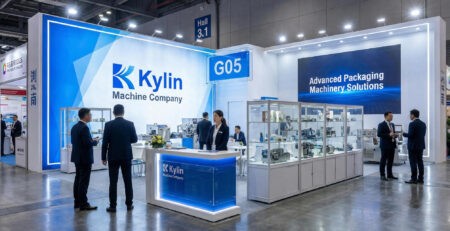
Explore Kylin Machinery’s full range of paper packaging and rigid box production solutions at kylinmachines.com/Machine/.


Leave a Reply