


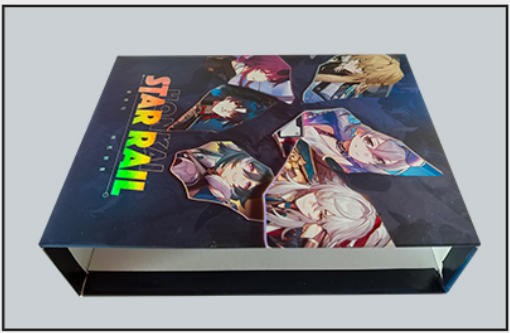
Sustainable & Automated Drawer Box Packaging Revolution 2026

📑 Table of Contents
- Introduction: Why the World Is Watching Drawer Box Packaging
- The Sustainability Imperative: New Materials Rewriting the Rules
- Smart Automation: The Rise of the Drawer Box Making Machine
- Global Market Data & Regional Analysis
- 5 Mega-Trends Driving the Drawer Box Industry in 2026
- Traditional vs. Automated Production: A Head-to-Head Comparison
- Case Studies: Brands Leading the Charge
- The Road Ahead: What to Expect by 2030
- Conclusion & Key Takeaways
1. Introduction: Why the World Is Watching Drawer Box Packaging
In the rapidly evolving landscape of global packaging, few product categories have captured as much attention as the drawer box — the elegant, sliding-tray rigid box that has become synonymous with premium unboxing experiences. From luxury cosmetics and fine jewelry to high-end electronics and artisanal confectionery, the drawer box has transcended its functional role to become a powerful brand storytelling tool.
But 2026 marks a pivotal turning point. The convergence of three seismic forces — stringent sustainability regulations, Industry 4.0 automation, and the explosion of e-commerce-driven unboxing culture — is fundamentally reshaping how drawer boxes are designed, manufactured, and delivered. This isn’t merely an incremental evolution; it’s a full-scale revolution.
“The rigid box packaging market, of which drawer boxes represent the fastest-growing segment, is projected to reach $12.4 billion globally by 2026, growing at a CAGR of 7.8%. Sustainability and automation are the twin engines driving this unprecedented growth.”
— Smithers Pira, Global Packaging Market Report 2026
For packaging manufacturers, brand owners, and machinery suppliers alike, understanding these shifts is not optional — it’s existential. In this comprehensive analysis, we explore every dimension of this transformation and reveal how cutting-edge drawer box making machine technology is enabling producers to meet the demands of a new era.
2. The Sustainability Imperative: New Materials Rewriting the Rules
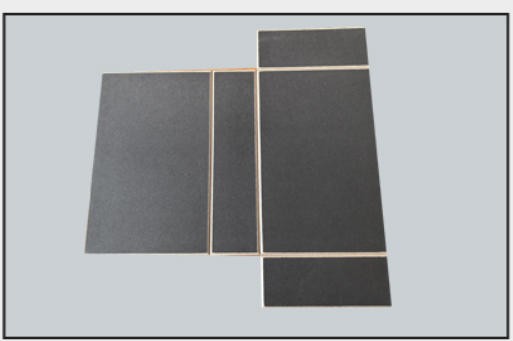
The packaging industry is under siege from regulators, consumers, and investors who are demanding radical sustainability improvements. The EU Packaging and Packaging Waste Regulation (PPWR), which takes full effect in 2026, mandates that all packaging placed on the European market must be recyclable or reusable. Similar legislation is advancing in North America, Japan, South Korea, and Australia.
2.1 The Material Revolution
For drawer box manufacturers, this means a fundamental shift in material sourcing. Traditional rigid boxes often relied on virgin fiber greyboard, petroleum-based laminates, and non-recyclable foil finishes. The new generation of drawer boxes leverages:
- 100% recycled greyboard with enhanced structural integrity
- Water-based adhesives replacing solvent-based alternatives
- Soy and algae-based inks for printing and decoration
- Biodegradable UV coatings that maintain luxury aesthetics
- Mushroom mycelium inserts replacing plastic foam liners
2.2 Sustainable Materials Comparison
| Material | Recyclability | Cost vs. Traditional | CO₂ Reduction | Luxury Look & Feel |
|---|---|---|---|---|
| 100% Recycled Greyboard | ✅ Fully Recyclable | -5% to +3% | ↓ 40% | ⭐⭐⭐⭐ |
| Bamboo Fiber Board | ✅ Fully Recyclable | +8% to +15% | ↓ 55% | ⭐⭐⭐⭐⭐ |
| Sugarcane Bagasse Board | ✅ Compostable | +10% to +18% | ↓ 60% | ⭐⭐⭐ |
| Soy-Based Ink System | ✅ Non-toxic | +2% to +5% | ↓ 30% | ⭐⭐⭐⭐⭐ |
| Water-Based Lamination | ✅ Fully Recyclable | -2% to +4% | ↓ 50% | ⭐⭐⭐⭐ |
| Mycelium Foam Insert | ✅ Home Compostable | +20% to +30% | ↓ 70% | ⭐⭐⭐⭐ |
3. Smart Automation: The Rise of the Drawer Box Making Machine
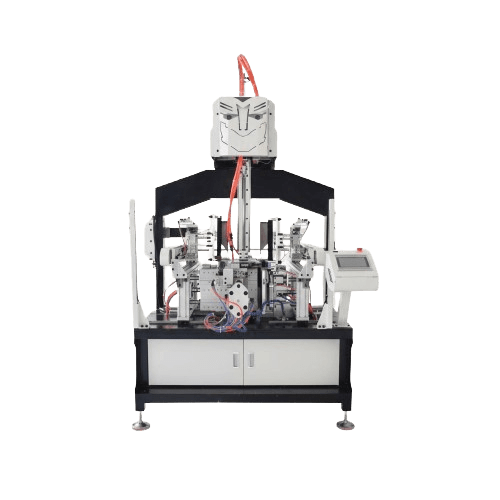
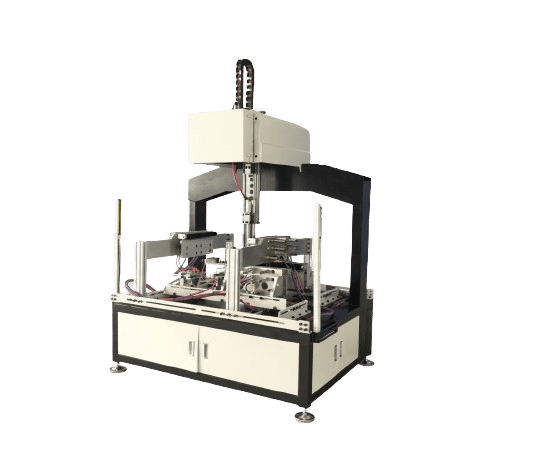
If sustainability is the “what,” automation is the “how.” The global labor shortage, rising quality expectations, and the need for rapid SKU changeovers have made manual drawer box production economically unsustainable for high-volume operations. Enter the drawer box making machine — a category of intelligent equipment that has evolved dramatically in the past three years.
3.1 What Modern Drawer Box Making Machines Can Do
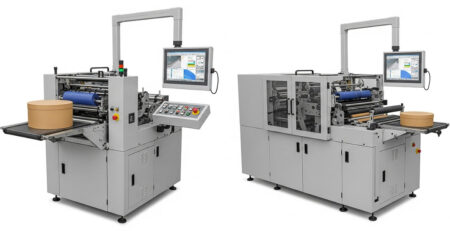
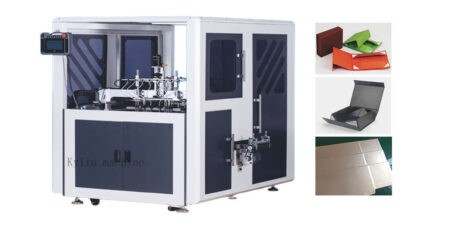
Today’s state-of-the-art drawer box making machines, such as those engineered by Kylin Machine, integrate multiple processes into a single production line:
- Automatic greyboard scoring & cutting with ±0.1mm precision
- Four-corner tape application for structural reinforcement
- Wrapper paper gluing & folding with servo-driven accuracy
- Tray-and-sleeve assembly in a continuous workflow
- AI vision quality inspection at the end of line
- IoT-enabled remote monitoring and predictive maintenance
“We replaced 12 manual workers with a single Kylin drawer box making machine line. Our output tripled, reject rate dropped from 5.2% to 0.3%, and ROI was achieved in just 14 months. It completely transformed our business.”
— Operations Director, a leading European luxury packaging manufacturer
3.2 Automation Performance Benchmarks
| Performance Metric | Manual Production | Semi-Automatic | Fully Automated (Kylin Machine) |
|---|---|---|---|
| Output (boxes/hour) | 80–120 | 300–500 | 800–1,500 |
| Reject Rate | 4%–8% | 1.5%–3% | 0.1%–0.5% |
| Labor Required | 10–15 workers | 4–6 workers | 1–2 operators |
| Changeover Time | 45–90 min | 15–25 min | 3–8 min |
| Precision (±mm) | ±1.0 | ±0.5 | ±0.1 |
| 24/7 Operation | ❌ Not feasible | ⚠️ Limited | ✅ Fully supported |
| Unit Cost Reduction | Baseline | ↓ 20–25% | ↓ 40–55% |
🚀 Ready to Automate Your Drawer Box Production?
Discover how Kylin Machine’s advanced drawer box making machine solutions can cut your costs by up to 45% while delivering flawless quality at scale.
Explore Drawer Box Molding Machines →4. Global Market Data & Regional Analysis
The drawer box segment is experiencing differentiated growth across global markets, driven by distinct regional forces. Understanding these dynamics is essential for manufacturers looking to invest in new drawer box making machine capacity.
4.1 Regional Market Breakdown (2026)
| Region | Market Share | CAGR (2023–2026) | Key Growth Driver | Top End-Use Sector |
|---|---|---|---|---|
| 🌏 Asia-Pacific | 42% | 9.2% | E-commerce + luxury domestic brands | Cosmetics & Electronics |
| 🌍 Europe | 26% | 6.5% | PPWR sustainability mandates | Fashion & Spirits |
| 🌎 North America | 20% | 7.1% | DTC brand growth + unboxing culture | Cannabis & Premium Food |
| 🌍 Middle East & Africa | 7% | 8.8% | Luxury retail expansion | Jewelry & Perfume |
| 🌎 Latin America | 5% | 6.9% | Cosmetics market maturation | Beauty & Personal Care |
Notably, Asia-Pacific commands 42% of the global drawer box market, fueled by China’s booming luxury packaging sector and the rapid adoption of automated drawer box making machines by Chinese and Southeast Asian manufacturers. China alone is home to over 3,000 rigid box production facilities, with approximately 35% now operating fully automated lines — a figure expected to reach 60% by 2028.
5. Five Mega-Trends Driving the Drawer Box Industry in 2026
Luxury brands like Gucci, Apple, and Estée Lauder are committing to 100% recyclable drawer box packaging by 2027. The zero-waste luxury philosophy demands that premium aesthetics and environmental responsibility coexist without compromise.
AI-enabled drawer box making machines now support batch-size-one customization — each box can feature unique designs, QR codes, or customer names without slowing production speed. Digital printing integration has made this economically viable.
Drawer boxes are becoming intelligent. Embedded NFC tags, temperature sensors, and blockchain-verified authenticity chips are transforming the humble box into a connected brand touchpoint. The smart packaging market is projected to exceed $7 billion by 2027.
Geopolitical disruptions and supply chain fragility are driving brands to nearshore their drawer box production. This has sparked a surge in drawer box making machine installations in Eastern Europe, Mexico, and Southeast Asia.
Pioneering companies are offering reusable drawer boxes through subscription models, where boxes are returned, refurbished, and redeployed — reducing material consumption by up to 80%. This model is gaining rapid traction in the premium e-commerce sector.
6. Traditional vs. Automated Production: A Head-to-Head Comparison
For packaging business owners evaluating capital investment in a drawer box making machine, the business case has never been clearer. Below is a comprehensive total-cost-of-ownership comparison over a 5-year period:
| Factor | Manual Workshop (15 workers) | Automated Kylin Machine Line | Difference |
|---|---|---|---|
| 5-Year Labor Cost | $1,350,000 | $180,000 | ↓ $1,170,000 |
| 5-Year Material Waste Cost | $280,000 | $42,000 | ↓ $238,000 |
| 5-Year Total Output | 5,760,000 boxes | 26,280,000 boxes | ↑ 356% |
| Average Unit Cost | $0.48 | $0.22 | ↓ 54% |
| Quality Consistency | Variable | Six Sigma (3.4 DPMO) | Vastly superior |
| Carbon Footprint / 1,000 boxes | 85 kg CO₂ | 32 kg CO₂ | ↓ 62% |
| ROI Timeline | — | 12–18 months | Rapid payback |
7. Case Studies: Brands Leading the Charge

7.1 Case Study: European Luxury Cosmetics Brand
A Paris-based luxury beauty house transitioned its entire drawer box packaging line from manual assembly to a fully automated drawer box making machine system in Q3 2025. The results after 6 months:
- Production capacity increased from 800 to 3,200 boxes/day
- Customer complaint rate dropped by 91%
- Achieved full compliance with EU PPWR regulations
- Reduced packaging carbon footprint by 58%
- Won the 2026 Luxe Pack Green Award for sustainable packaging innovation
7.2 Case Study: Chinese Electronics Giant
A Shenzhen-based consumer electronics company deployed three high-speed drawer box making machines across its packaging facility, enabling it to produce premium sliding boxes for flagship smartphone and earphone products. Key outcomes:
- Achieved 99.7% first-pass quality rate
- Eliminated the need for offshore packaging sourcing
- Reduced per-unit packaging cost by 41%
- Enabled real-time production monitoring via cloud-based IoT dashboard
7.3 Case Study: North American Cannabis Brand
With strict child-resistant packaging regulations and fierce brand competition, a Colorado-based cannabis company invested in automated drawer box production. The compliant, beautifully crafted rigid drawer boxes helped them:
- Increase shelf appeal and achieve 27% sales uplift in dispensaries
- Meet all FDA and state-level packaging compliance requirements
- Scale from 50,000 to 300,000 units/month without additional headcount
8. The Road Ahead: What to Expect by 2030

Looking ahead, the drawer box industry is poised for even more dramatic transformation. Based on current trajectories and expert analysis from McKinsey, Smithers, and leading packaging research institutions, here’s what the industry can expect:
| Prediction | Timeline | Confidence Level |
|---|---|---|
| 75% of drawer boxes will use 100% recycled/renewable materials | By 2028 | 🟢 High |
| AI-driven “lights-out” drawer box factories become commercially viable | By 2029 | 🟡 Medium-High |
| Reusable drawer box models capture 15%+ market share | By 2030 | 🟡 Medium |
| Every premium drawer box contains a digital identity (NFC/QR) | By 2028 | 🟢 High |
| Global rigid box market exceeds $18 billion | By 2030 | 🟢 High |
| 3D-printed drawer box prototyping becomes standard | By 2027 | 🟢 High |
The manufacturers who thrive will be those who invest today in two critical assets: sustainable material supply chains and intelligent, flexible production equipment. A world-class drawer box making machine isn’t just a piece of equipment — it’s the foundation of a future-proof packaging business.
9. Conclusion & Key Takeaways
The drawer box packaging industry stands at the most exciting crossroads in its history. Sustainability regulations are no longer coming — they’re here. Consumer expectations for premium, eco-friendly unboxing experiences are at an all-time high. And the technology to meet these demands — embodied in the latest generation of drawer box making machines — has never been more powerful, accessible, or cost-effective.
- Sustainability is non-negotiable — invest in recyclable materials now or risk market access.
- Automation delivers ROI in 12–18 months — the economics are compelling at every production scale.
- AI and IoT are redefining quality — zero-defect production is achievable and expected.
- Personalization is the new premium — machines that enable batch-size-one customization will win.
- Choose equipment partners wisely — look for suppliers like Kylin Machine who offer end-to-end solutions, global service, and future-ready technology.
🏭 Transform Your Drawer Box Production Today
Kylin Machine delivers world-class drawer box making machine solutions trusted by manufacturers across 60+ countries. From compact semi-automatic units to full Industry 4.0 production lines, we have the perfect solution for your business.
Get Your Free Consultation & Quote →Kylin Machine is a leading global manufacturer of rigid box packaging machinery, including advanced drawer box making machines, case makers, and full-line packaging automation solutions. Serving customers in 60+ countries, Kylin Machine is committed to driving innovation, sustainability, and excellence in the packaging industry. Visit kylinmachines.com to learn more.
Disclaimer: Market data and statistics cited in this article are sourced from publicly available industry reports by Smithers Pira, McKinsey & Company, and Packaging Gateway. Individual results may vary. All trademarks mentioned belong to their respective owners. Published on May 6, 2026.



Leave a Reply