


Sustainable Tape Application Technology
🌿 Sustainable Tape Application Technology: The Future of Eco-Friendly Packaging in 2026
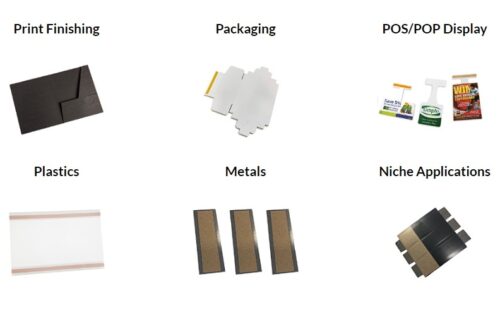
The global packaging industry is undergoing a revolutionary transformation. As environmental regulations tighten and consumer demand for sustainable solutions grows, tape application machines have emerged as a critical focal point for innovation in the printing and packaging sector.
In 2026, the hottest topic dominating industry conversations worldwide is the convergence of sustainability, automation, and smart technology in tape application systems. This article explores how these trends are reshaping the future of packaging and why forward-thinking companies are investing heavily in next-generation tape applicator technology.
📊 Key Industry Insight
According to Smithers Packaging Research, the global market for sustainable packaging solutions is projected to reach $440 billion by 2027, with tape application technology playing a pivotal role in this growth.
📈 The Numbers Driving Change
🌍 The Global Push for Sustainable Tape Solutions
Environmental regulations such as the EU Circular Economy Action Plan and similar initiatives in North America and Asia-Pacific are compelling manufacturers to rethink their packaging strategies. Traditional petroleum-based tapes are being rapidly replaced by eco-friendly alternatives.
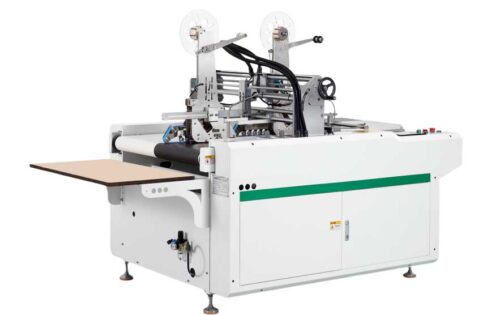

Types of Sustainable Tape Gaining Traction
- Paper-based tapes – Fully recyclable with corrugated cardboard
- Water-activated tape (WAT) – Creates tamper-evident, fiber-tear bonds
- Biodegradable PLA tapes – Made from plant-based materials
- Recycled content tapes – Utilizing post-consumer waste
- Hot melt alternatives – Solvent-free adhesive systems
Modern tape application machines are now being engineered specifically to handle these new sustainable materials, which often have different tensile properties and adhesion characteristics compared to conventional tapes.
“The packaging industry’s transition to sustainable tape solutions isn’t just an environmental imperative—it’s becoming a competitive advantage. Companies that invest in advanced tape application technology today will lead the market tomorrow.”
— Global Packaging Innovation Forum, 2026
📋 Tape Application Technology: Traditional vs. Smart Systems
Understanding the differences between conventional and next-generation tape applicators is crucial for making informed investment decisions. Here’s a comprehensive comparison:
| Feature | Traditional Systems | Smart Tape Applicators |
|---|---|---|
| Material Compatibility | Standard tapes only | ✓ Multi-material adaptive |
| IoT Integration | ✗ Not available | ✓ Full connectivity |
| Predictive Maintenance | ✗ Manual inspection | ✓ AI-powered alerts |
| Waste Reduction | 15-20% tape waste | ✓ Under 3% waste |
| Speed (cartons/min) | 20-35 CPM | ✓ 50-80 CPM |
| Energy Efficiency | Standard consumption | ✓ 40% less energy |
| Data Analytics | ✗ None | ✓ Real-time dashboard |
| Quick Changeover | 15-30 minutes | ✓ Under 2 minutes |
🤖 Industry 4.0: The Smart Factory Revolution
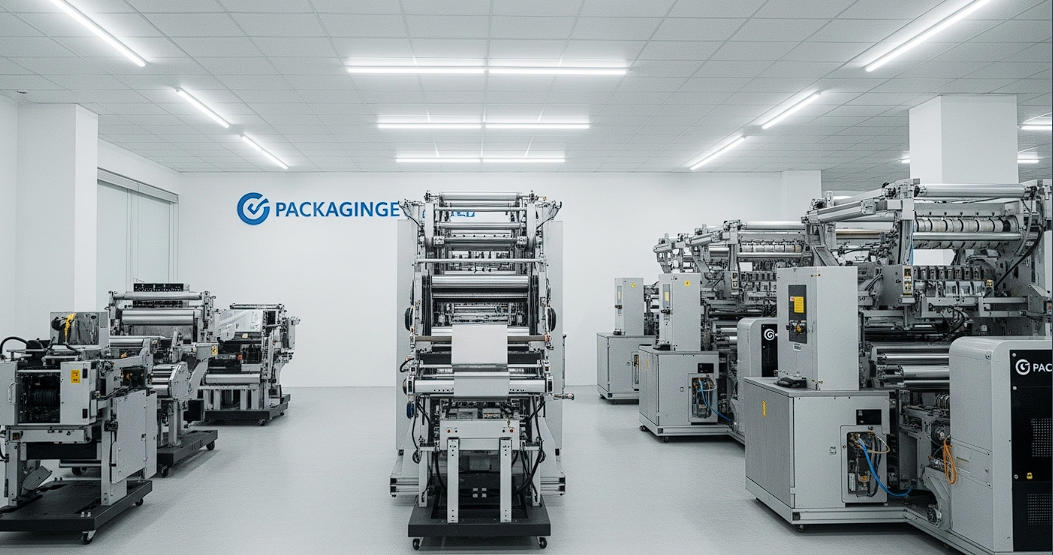
The integration of Industry 4.0 principles into tape application systems represents perhaps the most significant advancement in packaging technology this decade. According to McKinsey’s manufacturing research, smart factory implementations are delivering 30-50% improvements in machine efficiency.
Key Smart Features in Modern Tape Application Machines
🔗 Connected Intelligence
- Real-time monitoring – Track performance metrics 24/7
- Predictive maintenance – AI algorithms prevent downtime
- Remote diagnostics – Troubleshoot from anywhere in the world
- Automatic adjustments – Self-calibrating tension and pressure
- Integration with ERP/MES – Seamless production planning
Leading manufacturers like Kylin Machines are pioneering this transformation, offering tape application machines that seamlessly integrate with existing production lines while providing unprecedented levels of control and efficiency.
💰 Return on Investment: The Business Case
For procurement managers and operations directors, understanding the financial impact of upgrading tape application equipment is essential. Below is a typical ROI analysis for transitioning to smart, sustainable tape application systems:
| Cost/Benefit Factor | Year 1 | Year 2 | Year 3 |
|---|---|---|---|
| Material Savings | $18,000 | $19,500 | $21,000 |
| Labor Efficiency Gains | $24,000 | $26,000 | $28,000 |
| Reduced Downtime | $15,000 | $18,000 | $20,000 |
| Energy Savings | $6,000 | $6,500 | $7,000 |
| Sustainability Incentives | $8,000 | $10,000 | $12,000 |
| Total Annual Benefit | $71,000 | $80,000 | $88,000 |
*Based on average mid-size packaging operation processing 500,000 cartons annually
🗺️ Global Regional Trends
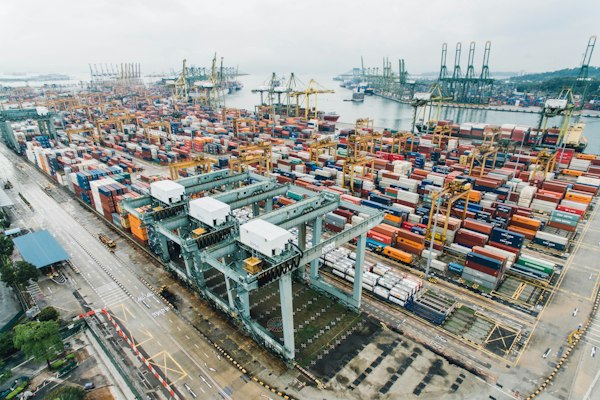

Key Regional Developments
🇪🇺 Europe: The EU’s stringent Packaging and Packaging Waste Regulation (PPWR) is driving rapid adoption of sustainable tape solutions and advanced tape application machines capable of handling recyclable materials.
🇺🇸 North America: E-commerce giants and major retailers are mandating sustainable packaging from suppliers, creating unprecedented demand for automated tape application systems that can efficiently process paper-based tapes.
🇨🇳 Asia-Pacific: With the world’s largest e-commerce market, China and Southeast Asia are experiencing explosive growth in demand for high-speed tape applicators. The region is projected to account for 45% of global tape application machine sales by 2028.
🔮 Future Outlook: What’s Next?
As we look toward the latter half of the decade, several emerging technologies are poised to further transform tape application in packaging:
- AI-powered quality inspection – Vision systems that detect tape application defects in real-time
- Cobots (collaborative robots) – Human-robot collaboration for flexible production
- Blockchain integration – Supply chain traceability for sustainable materials
- Digital twins – Virtual simulation for optimizing tape application processes
- Self-healing adhesives – Next-generation tapes with enhanced properties
— Packaging World Technology Report
Ready to Transform Your Packaging Line?
Discover how Kylin Machine’s advanced tape application solutions can help you achieve sustainability goals while boosting productivity and reducing costs.
Explore Tape Application Machines →📝 Conclusion
The tape application industry stands at a pivotal crossroads. The convergence of sustainability imperatives, automation technologies, and smart manufacturing principles is creating unprecedented opportunities for packaging operations worldwide. Companies that embrace these changes by investing in advanced tape application machines will not only meet evolving regulatory requirements but also gain significant competitive advantages.
As environmental consciousness continues to shape consumer behavior and government policies, the demand for sustainable, efficient tape application solutions will only intensify. The question is no longer if companies should upgrade their tape application technology, but how quickly they can implement these transformative solutions.
The future of packaging is sustainable, smart, and automated—and it starts with the right tape application technology.

Kylin Machine is a leading global manufacturer of innovative packaging machinery solutions, specializing in tape application systems, case erectors, and end-of-line automation equipment. With installations in over 60 countries, we’re committed to helping businesses achieve operational excellence through cutting-edge technology.
Visit Website →


Leave a Reply