


The Green Revolution in Book Binding
The Green Revolution in Book Binding: How Sustainable Automation is Transforming the Publishing Industry in 2026
From Eco-Friendly Materials to AI-Powered Book Cover Making Machines – The Future of Publishing is Here

The publishing industry embraces sustainable practices and cutting-edge automation technology
The Global Push for Sustainable Publishing

The book publishing industry, responsible for producing over 2.7 billion books annually, has come under increasing scrutiny for its environmental impact. From paper sourcing to binding adhesives, every aspect of book production is being reimagined through the lens of sustainability.
According to the Association of American Publishers, major publishing houses have committed to achieving carbon neutrality by 2030. This ambitious goal is driving massive investments in sustainable book binding technologies and eco-friendly book cover making machine systems that minimize waste while maximizing efficiency.
The International Book Binding Association reports that sustainable binding practices can reduce a book’s environmental footprint by up to 45%, while simultaneously improving production quality and reducing long-term costs.
The transition to sustainable book binding isn’t just environmentally responsible—it’s economically smart. Publishers who have adopted green technologies report an average of 23% reduction in production costs over three years, thanks to reduced material waste and improved energy efficiency.
Automation Revolution: The Rise of Smart Book Binding
Modern book manufacturing has entered a new era with the integration of artificial intelligence and advanced automation. Today’s book cover making machine systems feature sophisticated sensors, real-time quality control, and predictive maintenance capabilities that were unimaginable just a decade ago.
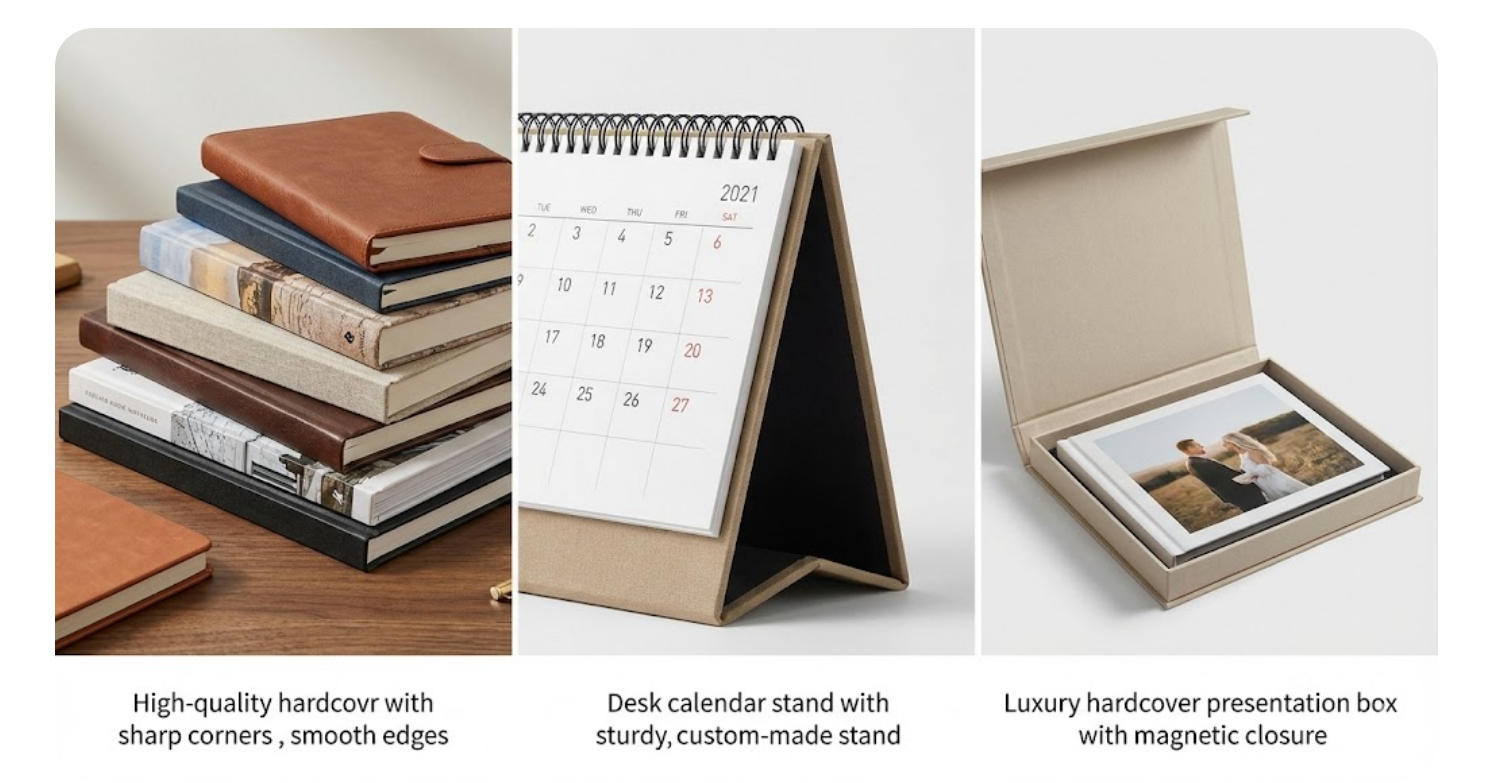
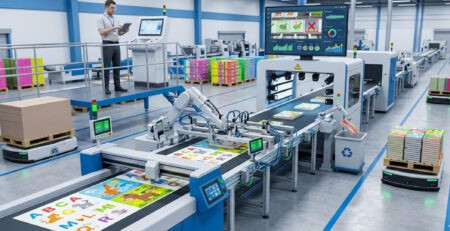
State-of-the-art automated book binding facilities combine precision engineering with sustainable practices
Leading manufacturers like Kylin Machine are pioneering next-generation case making equipment that seamlessly integrates with Industry 4.0 standards. These advanced book cover making machine solutions offer unprecedented precision, reducing material waste by up to 35% compared to traditional equipment.
“The future of book binding lies at the intersection of sustainability and automation. Manufacturers who embrace both will lead the industry for decades to come.”
Traditional vs. Sustainable Book Binding: A Comparison
- PVA adhesives with VOC emissions
- Non-recyclable cover materials
- High energy consumption
- 30-40% material waste rate
- Manual quality control
- Limited customization options
- Bio-based, zero-VOC adhesives
- 100% recyclable cover materials
- Energy-efficient smart systems
- Under 5% material waste rate
- AI-powered quality assurance
- Full digital customization
Global Sustainable Book Binding Market Analysis
| Region | Market Size (2026) | Growth Rate | Key Drivers | Adoption Rate |
|---|---|---|---|---|
| 🇪🇺 Europe | $1.8 Billion | 12.5% | EU Green Deal regulations | 85% |
| 🇺🇸 North America | $1.4 Billion | 10.2% | Consumer demand & ESG investing | 72% |
| 🇨🇳 Asia Pacific | $980 Million | 18.7% | Manufacturing modernization | 58% |
| 🇧🇷 Latin America | $320 Million | 15.3% | Export market requirements | 41% |
| 🌍 Middle East & Africa | $180 Million | 22.1% | Infrastructure investment | 28% |
Source: Global Print Industry Report 2026 | Data compiled from Smithers Research and industry surveys
Key Technologies Driving the Transformation
The sustainable book binding revolution is powered by several breakthrough technologies that work in harmony to create a more efficient and environmentally friendly production process:
- AI-Powered Quality Control: Machine learning algorithms detect defects in real-time, reducing waste and ensuring consistent quality across production runs.
- Bio-Based Adhesives: New plant-derived adhesives offer superior binding strength while being fully biodegradable and non-toxic.
- Smart Book Cover Making Machine Systems: Advanced case making equipment with IoT connectivity enables remote monitoring, predictive maintenance, and optimal resource utilization.
- Recycled Material Processing: Innovative technologies now allow up to 100% post-consumer recycled materials to be used in premium hardcover production.
- Energy Recovery Systems: Heat generated during production is captured and reused, reducing overall energy consumption by up to 40%.
- Digital Finishing Technologies: UV and LED curing systems replace traditional solvent-based processes, eliminating harmful emissions.
Sustainable Book Binding Equipment Specifications
| Equipment Type | Production Speed | Energy Efficiency | Waste Reduction | ROI Period |
|---|---|---|---|---|
| Automatic Case Making Machine | 25-40 cases/min | A++ Rating | Up to 35% | 18-24 months |
| Smart Perfect Binding Line | 8,000 books/hour | A+ Rating | Up to 28% | 24-30 months |
| Eco Hardcover Production System | 3,500 books/hour | A++ Rating | Up to 42% | 20-26 months |
| Digital Finishing Module | 6,000 covers/hour | A+ Rating | Up to 50% | 12-18 months |
| Integrated Binding Solution | Custom | A++ Rating | Up to 45% | 24-36 months |
🌟 Ready to Transform Your Book Production?
Discover how our advanced book cover making machine solutions can help you achieve sustainable, efficient, and profitable book manufacturing. Join the green revolution today!
Explore Our Solutions →The Future of Book Binding: What’s Next?

As we look toward the horizon, several emerging trends promise to further revolutionize the book binding industry. According to research from the Association for Print Technologies, the next five years will see unprecedented innovation in sustainable manufacturing.
Carbon-Negative Production: By 2028, leading manufacturers expect to achieve carbon-negative book production through a combination of renewable energy, carbon capture, and sustainable materials. This represents a paradigm shift from merely reducing harm to actively benefiting the environment.
Circular Economy Integration: The future of book binding embraces full circularity, where every component—from covers to adhesives—can be recycled or safely biodegraded. Advanced book cover making machine technology is already being designed with end-of-life recyclability in mind.
On-Demand Micro-Manufacturing: Smart manufacturing cells will enable publishers to produce books in quantities as small as one, eliminating overproduction and inventory waste entirely. This technology, combined with sustainable materials, represents the ultimate in eco-friendly publishing.
Conclusion: Embracing the Green Future
The sustainable book binding revolution is not a distant possibility—it’s happening now. Publishers, manufacturers, and equipment suppliers who embrace this transformation will not only contribute to a healthier planet but will also position themselves for long-term success in an increasingly environmentally conscious market.
The integration of advanced book cover making machine technology with sustainable practices represents the pinnacle of modern book manufacturing. As consumer demand for eco-friendly products continues to grow, and as regulations become more stringent, the advantages of sustainable automation will only become more pronounced.
The question is no longer whether to adopt sustainable book binding practices, but how quickly you can implement them. The green revolution in publishing is here—and it’s transforming the industry one book at a time.


Leave a Reply