


The Board Book Boom

📌 Key Takeaways
- The global children’s book market is projected to reach $10.99 billion in 2026, with board books as the fastest-growing format.
- Demand for layflat board book binding has surged as publishers prioritize durability, safety, and premium quality.
- Eco-friendly production — FSC-certified paper, soy-based inks, and energy-efficient layflat binding machines — is now a market requirement, not a luxury.
- Automation and smart manufacturing are cutting board book production costs by up to 35% while improving consistency.
Market Size 2026
(CAGR 2026–2035)
Fastest-Growing Format
Something remarkable is unfolding across the global printing and packaging industry. Walk into any trade show in drupa, China Print, or Bologna Children’s Book Fair, and you’ll notice one product category dominating conversations: children’s board books.
The numbers tell a compelling story. According to 360iResearch, the global children’s book market was valued at $10.40 billion in 2025 and is expected to reach $10.99 billion in 2026. By 2035, it’s projected to climb to nearly $14 billion. Within this booming ecosystem, board books — those thick-paged, indestructible companions designed for tiny hands — represent the segment experiencing the most explosive growth.
But here’s what most industry observers miss: this isn’t just a publishing story. It’s fundamentally a manufacturing and print packaging revolution. The surge in board book demand is reshaping supply chains, driving innovation in binding technology, and creating unprecedented opportunities for machinery manufacturers, paper suppliers, and printing companies worldwide.
Why Board Books Are Dominating the Children’s Market
Board books aren’t new — they’ve existed for decades. But several converging mega-trends have catapulted them from a niche product to the most sought-after format in children’s publishing:
1. The Screen-Time Backlash. Parents and pediatricians worldwide are pushing back against excessive screen time for children under 5. The American Academy of Pediatrics recommends limiting digital media for toddlers, and parents are increasingly turning to tactile, physical books as the preferred alternative. Board books — with their chunky pages, bright colors, and sensory appeal — are the perfect antidote.
2. Early Childhood Education Emphasis. Governments across Asia, Europe, and the Americas are investing heavily in early literacy programs. STEM-themed board books, bilingual editions, and interactive learning formats are seeing double-digit growth in institutional purchasing.
3. The Gift Economy. Board books have become the go-to gift for baby showers, birthdays, and holidays. Their premium feel and durability make them a safe, thoughtful purchase — driving repeat sales across every demographic.
4. Global Market Expansion. While North America and Europe remain the largest markets, explosive growth is coming from Asia-Pacific, the Middle East, and Latin America, where rising middle-class populations are investing more in early childhood education.
The 5 Children’s Book Trends Driving Print Manufacturing Demand
Eco-Friendly Materials
FSC-certified paper, soy-based inks, and waterless printing are becoming standard. Publishers demand sustainable supply chains from cover to binding.
STEM & Interactive Content
Pop-up mechanisms, touch-and-feel textures, and QR-code-enhanced board books require advanced die-cutting and precision layflat binding.
Diversity & Inclusion
Culturally diverse titles are the fastest-growing category, expanding the number of SKUs and requiring more flexible, short-run production capabilities.
Mental Health & Emotional Learning
Social-emotional learning (SEL) board books are among the top-performing categories, creating new product lines for publishers and printers alike.
The Manufacturing Challenge: Why Board Books Are Different
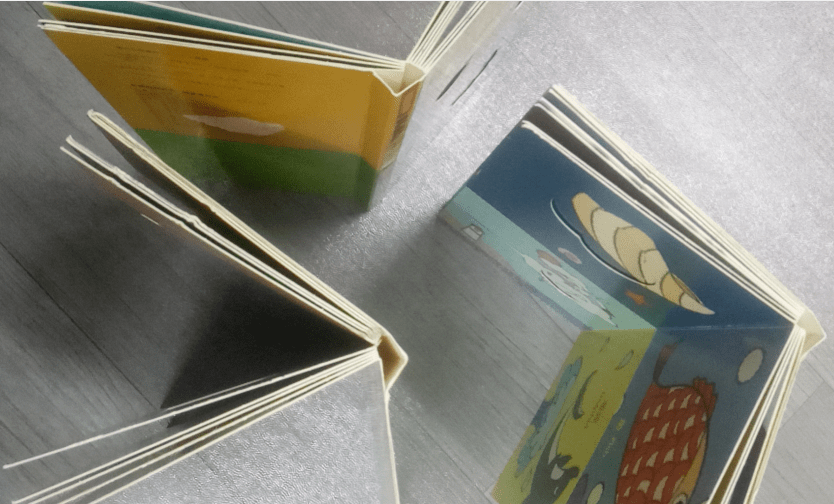
For those outside the printing industry, a board book might look simple. In reality, manufacturing a high-quality board book is one of the most technically demanding processes in print production. Unlike standard paperback or hardcover books, board books require:
📊 Board Book vs. Traditional Book: Manufacturing Comparison
| Feature | Standard Paperback | Hardcover Book | Board Book (Layflat) |
|---|---|---|---|
| Page Material | Paper (80–120 gsm) | Paper (100–150 gsm) | Laminated board (250–400 gsm per side) |
| Binding Method | Perfect binding / Saddle stitch | Case binding / Smyth sewing | Layflat board-to-board binding |
| Durability Requirement | Moderate | High | Very High (chew-proof, tear-proof) |
| Safety Standards | Basic | Basic | CPSIA / EN71 / CE certified |
| Flat-Open Capability | No | Partial | 180° full layflat opening |
| Production Complexity | Low | Medium | High — requires specialized equipment |
| Typical Machinery Required | Standard binder | Case-making + binding line | Layflat binding machine |
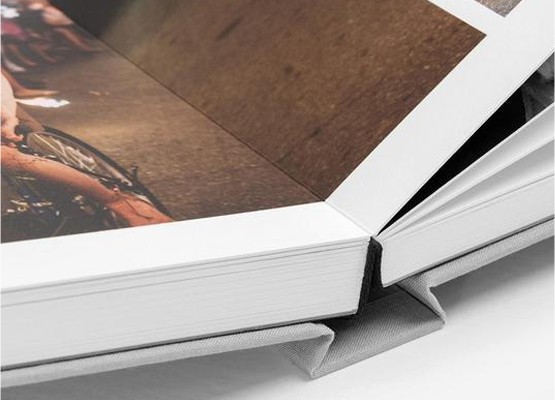
The key differentiator? Layflat binding. Unlike conventional binding methods, layflat binding allows board book pages to open completely flat at 180°, creating a seamless reading experience that children (and parents) love. Achieving this requires specialized layflat binding machines that precisely align, glue, and press heavy board stock with millimeter-level accuracy.
The shift to board books isn’t just a trend — it’s a structural change in children’s publishing. Printers who invest in layflat binding technology today will own the market for the next decade.
The Rise of the Layflat Binding Machine: A Game-Changer for Printers

Modern layflat board book binding machines enable high-speed, precision production of children’s board books. Photo: Kylin Machine
At the heart of this manufacturing revolution sits a critical piece of equipment: the layflat binding machine. These machines have evolved dramatically over the past five years, and the latest generation offers capabilities that would have been unimaginable a decade ago.
How Modern Layflat Binding Machines Work
Board Sheet Feeding
Pre-printed, laminated board sheets are automatically fed and aligned
Precision Gluing
Controlled adhesive application ensures bond strength without bleed-through
Board-to-Board Lamination
Pages are precisely aligned and pressed together under controlled pressure
Cover Wrapping & QC
Cover application, edge trimming, and automated quality inspection
What makes the latest layflat board book binding machines stand out is their combination of speed, precision, and versatility. Today’s machines can handle board weights from 250 gsm to 450 gsm, process books from 4 to 24+ pages, and switch between different trim sizes with minimal downtime — a critical advantage for printers serving publishers with diverse product lines.
📋 Layflat Binding Machine Selection Guide for Board Book Production
| Consideration | Details | Why It Matters |
|---|---|---|
| Board Weight Range | 250–450 gsm per side | Accommodates standard and premium board books |
| Production Speed | 1,500–4,000 books/hour | Meets high-volume publisher demand |
| Page Count Flexibility | 4 to 24+ pages | Covers infant books to complex interactive titles |
| Glue System | PVA / Hot-melt / Dual system | Food-safe adhesives required for children’s products |
| Size Changeover Time | Under 15 minutes | Critical for short-run, diverse-title production |
| Automation Level | Semi-auto to fully automatic | Labor cost reduction of 25–40% |
| Safety Certifications | CE, ISO 9001 | Essential for export to EU, US, and other regulated markets |
For printing companies evaluating their capital expenditure strategy, the layflat binding machine has become a must-have investment. With board book orders increasing by double digits year-over-year, the ROI on dedicated board book binding equipment is among the fastest in the industry — often under 18 months.
Sustainability: The Non-Negotiable in Modern Board Book Production
If there’s one force reshaping board book manufacturing as much as demand growth, it’s sustainability. Today’s parents don’t just want books that educate their children — they want those books produced in ways that protect the planet their children will inherit.
According to industry trend reports, eco-friendly production practices have moved from “nice-to-have” to deal-breaker status in publisher procurement decisions. Major publishers including Penguin Random House, Hachette, and HarperCollins now require their manufacturing partners to meet strict environmental criteria.
🌿 Sustainable Board Book Manufacturing: Key Standards & Practices
| Sustainability Area | Current Standard | Leading Practice (2026) |
|---|---|---|
| Paper Sourcing | FSC / PEFC certification | 100% recycled fiber or FSC Mix Credit |
| Inks | Soy-based or vegetable-based inks | Zero-VOC inks with mineral-free pigments |
| Adhesives | PVA water-based glue | Bio-based adhesives certified for food contact |
| Lamination | OPP film lamination | Water-based varnish or biodegradable film |
| Energy Use | Energy-efficient machinery | Solar-powered facilities with carbon offsetting |
| Packaging | Recyclable cartons | Plastic-free shrink wrap alternatives |
| Certifications | ISO 14001 | Cradle to Cradle, B Corp certification |
Modern layflat binding machines are being designed with sustainability in mind. Leading manufacturers now engineer their equipment to work with water-based adhesives, minimize material waste through precision alignment systems, and reduce energy consumption by up to 30% compared to previous-generation machines.
Global Market Dynamics: Where the Growth Is Coming From
The board book boom is truly global, but the dynamics vary significantly by region. Understanding these differences is crucial for printing companies developing their market strategies.
🌏 Children’s Board Book Market: Regional Analysis 2026
| Region | Market Share | Growth Driver | Key Opportunity |
|---|---|---|---|
| North America | ~35% | Screen-time backlash, early literacy programs | Premium finishes, personalized books |
| Europe | ~28% | Strict sustainability mandates, multilingual editions | Eco-certified board books |
| Asia-Pacific | ~25% | Rising middle class, government education investment | STEM/bilingual board books, manufacturing hub |
| Middle East & Africa | ~7% | Population growth, literacy initiatives | Arabic/multilingual board books |
| Latin America | ~5% | Government reading programs, urbanization | Spanish-language & bilingual titles |
For machinery suppliers and equipment manufacturers, Asia-Pacific represents a dual opportunity: it’s both the fastest-growing consumer market and the world’s largest production hub. China alone accounts for over 60% of global board book manufacturing output, with major printing clusters in Guangdong, Zhejiang, and Jiangsu provinces. These manufacturers are rapidly upgrading from manual and semi-automatic processes to fully automated layflat board book binding machines to meet the quality and volume demands of Western publishers.
Looking Ahead: What’s Next for Board Book Manufacturing?
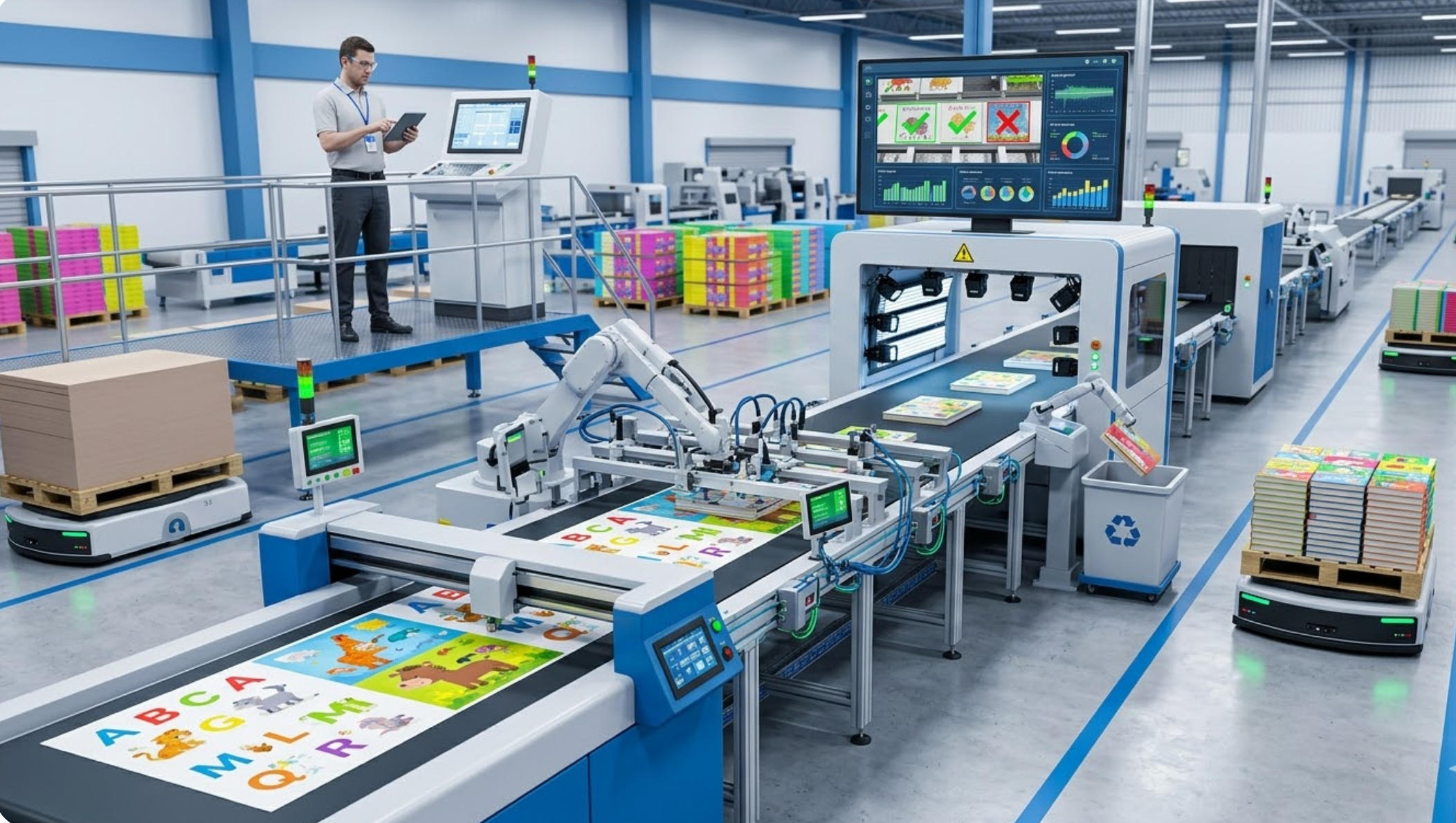
Smart factories are integrating AI-powered quality inspection and IoT-connected binding lines to meet the surging demand for children’s board books.
The board book manufacturing landscape is evolving rapidly. Here are the trends that will define the next five years:
1. AI-Powered Quality Control
Vision systems integrated into layflat binding machines can now detect misalignment, glue defects, and color inconsistencies in real-time, reducing waste by up to 60% and virtually eliminating defective products reaching the market.
2. Digital + Conventional Hybrid Production
The rise of digital inkjet printing is enabling print-on-demand board books for the first time. Combined with flexible layflat binding equipment, this opens up personalized children’s books at scale — a market segment projected to reach $2 billion by 2030.
3. Modular, Scalable Equipment
Leading equipment manufacturers are designing modular layflat binding machines that allow printers to start with basic configurations and add capabilities — inline die-cutting, UV spot coating, embossing — as their business grows.
4. Supply Chain Resilience
The 2025 tariff adjustments and ongoing geopolitical shifts are driving publishers to diversify manufacturing across multiple regions. This creates opportunities for printers in Southeast Asia, Eastern Europe, and Latin America — all of whom need to invest in board book binding equipment to compete.
Ready to Capitalize on the Board Book Boom?
Explore Kylin Machine’s complete range of layflat board book binding machines — engineered for precision, speed, and sustainability.
🔗 View Layflat Binding Machines →Conclusion: The Time to Act Is Now
The convergence of a $11 billion children’s book market, escalating consumer demand for board books, tightening sustainability requirements, and rapid technological advancement has created a once-in-a-generation opportunity for the printing and packaging industry.
For printers, the message is clear: investing in specialized layflat binding machine technology isn’t just about adding a product line — it’s about positioning your business at the center of one of the fastest-growing segments in global print manufacturing.
For publishers and brand owners, understanding the manufacturing realities of board book production — from layflat board book binding to eco-certified supply chains — is essential for delivering the quality, safety, and sustainability that today’s parents demand.
The board book boom isn’t a bubble. It’s the future of children’s publishing. And the companies that invest in the right technology, partnerships, and processes today will lead the industry for years to come.
📚 Sources & Further Reading
- 360iResearch — Children’s Books Market Size & Share 2026–2032
- Business Research Insights — Children’s Publishing Market Size 2026
- Fortune Business Insights — Bookbinding Materials Market Forecast to 2034
- Accio — 2025 Children’s Book Industry Trends
- BN Bindery — Book Manufacturing in Review: What 2026 Looks Like
- Walsworth — Book Printing Trends 2025
- Bologna Children’s Book Fair
- Kylin Machine — Layflat Board Book Binding Machines


Leave a Reply