


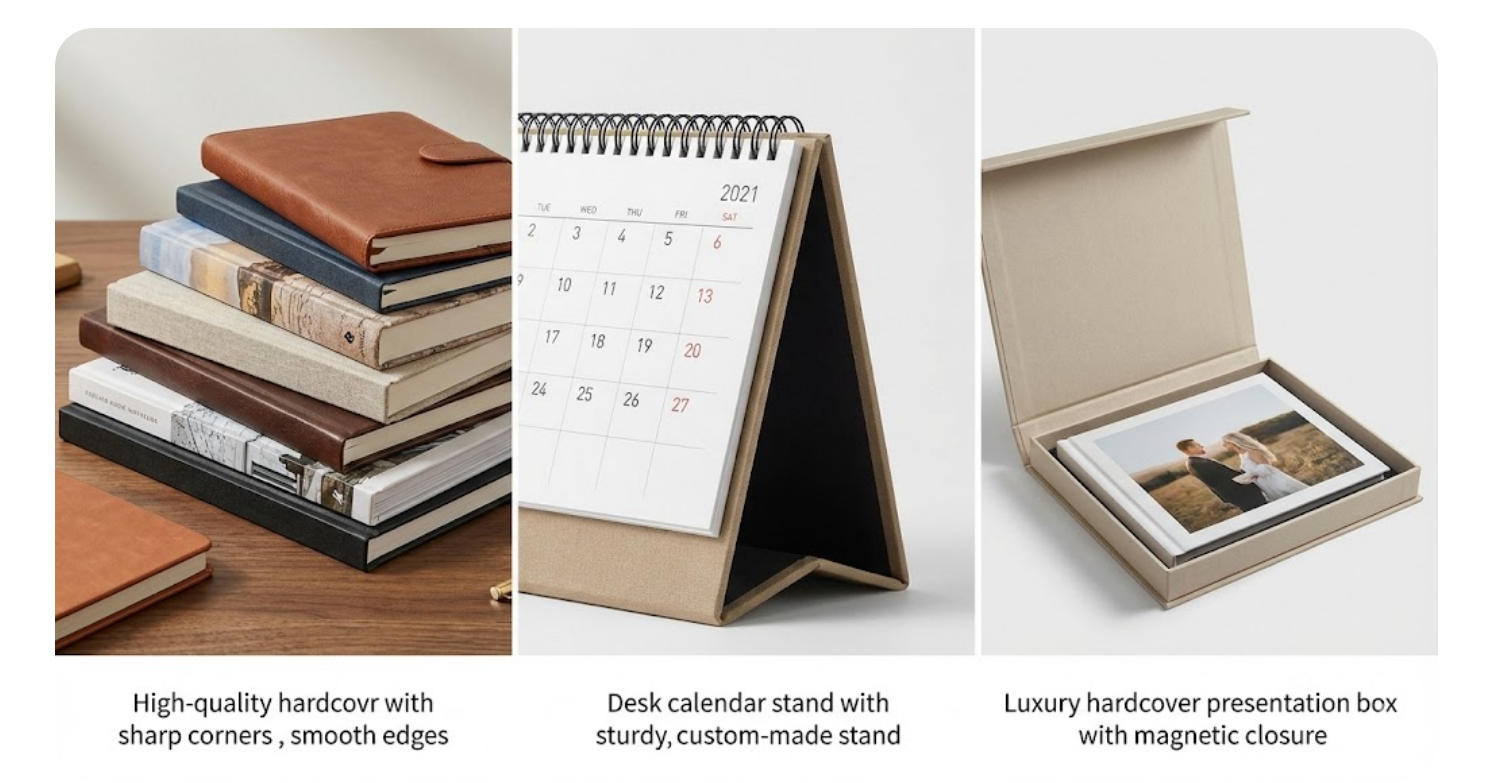
The Complete Guide to Hardcover Book Proofing Equipment
The Complete Guide to Hardcover Book Proofing Equipment
Every machine, tool, and piece of equipment you need to produce professional hardcover book proofs — from digital printing to case making, binding, and luxury finishing.
Introduction: Why Hardcover Book Proofing Matters
In the world of premium book publishing, a hardcover proof is the final quality checkpoint before committing to a full print run. Whether you’re a self-publisher, a print-on-demand operator, or a commercial book manufacturer, understanding the equipment involved in hardcover book proofing is essential for producing professional-grade results.
Hardcover book proofing (also known as case-bound book sampling) involves creating a single or small batch of finished hardcover books to verify print quality, binding integrity, cover alignment, and finishing details before mass production.
This guide covers every piece of equipment you’ll need — from initial digital printing through case making, binding, and luxury finishing — with detailed specifications, video demonstrations, and links to professional-grade machinery from AutoCaseMaker.com.
🔑 Key Takeaways
- ✔ Hardcover proofing requires 12+ specialized machines working in sequence
- ✔ The case making machine is the centerpiece of the entire workflow
- ✔ Digital printing has revolutionized short-run proofing economics
- ✔ Finishing equipment (foil, lamination) is what makes proofs market-ready
- ✔ Investing in the right equipment can reduce proofing time by up to 70%
Equipment Overview: The Complete Proofing Line
Below is every machine involved in the hardcover book proofing process. Each plays a critical role in transforming raw materials — paper, board, cloth, and adhesive — into a finished, professional hardcover book proof.
Digital Printer
Interior pages & cover printing
Case Making Machine
Core of hardcover production
Perfect Binder
Book block binding
Paper Cutter
Precision trimming
Laminator
Cover protection & finish
Foil Stamper
Metallic & decorative finishing
Corner Cutter
Case corner trimming
Creaser / Scorer
Spine hinge scoring
Book Press
Joint forming & pressing
Casing-In Machine
Block-to-case assembly
End Sheet Tipper
End paper application
Spine Rounder
Rounding & backing
Digital Printing Press
The digital printing press is the starting point of any hardcover book proofing workflow. Unlike traditional offset printing, digital presses allow for single-copy or short-run production, making them ideal for proofing purposes.
Modern digital presses produce high-resolution output (1200–2400 DPI) on a wide range of paper stocks, from uncoated text paper for interior pages to coated stock for full-color cover wraps.
Key Features for Proofing:
- ✓ Variable data printing — each proof can be unique
- ✓ No plates or setup waste
- ✓ Consistent color matching with ICC profiles
- ✓ Support for heavy stocks up to 350gsm
- ✓ Fast turnaround — minutes, not hours

A modern digital press capable of high-quality book interior and cover printing
💡 Pro Tip
For hardcover proofing, use a toner-based digital press (like Konica Minolta AccurioPress or Xerox Iridesse) for best lamination adhesion. Inkjet prints may require special lamination films.
Case Making Machine (Auto Case Maker)
⭐ The Heart of Hardcover Production
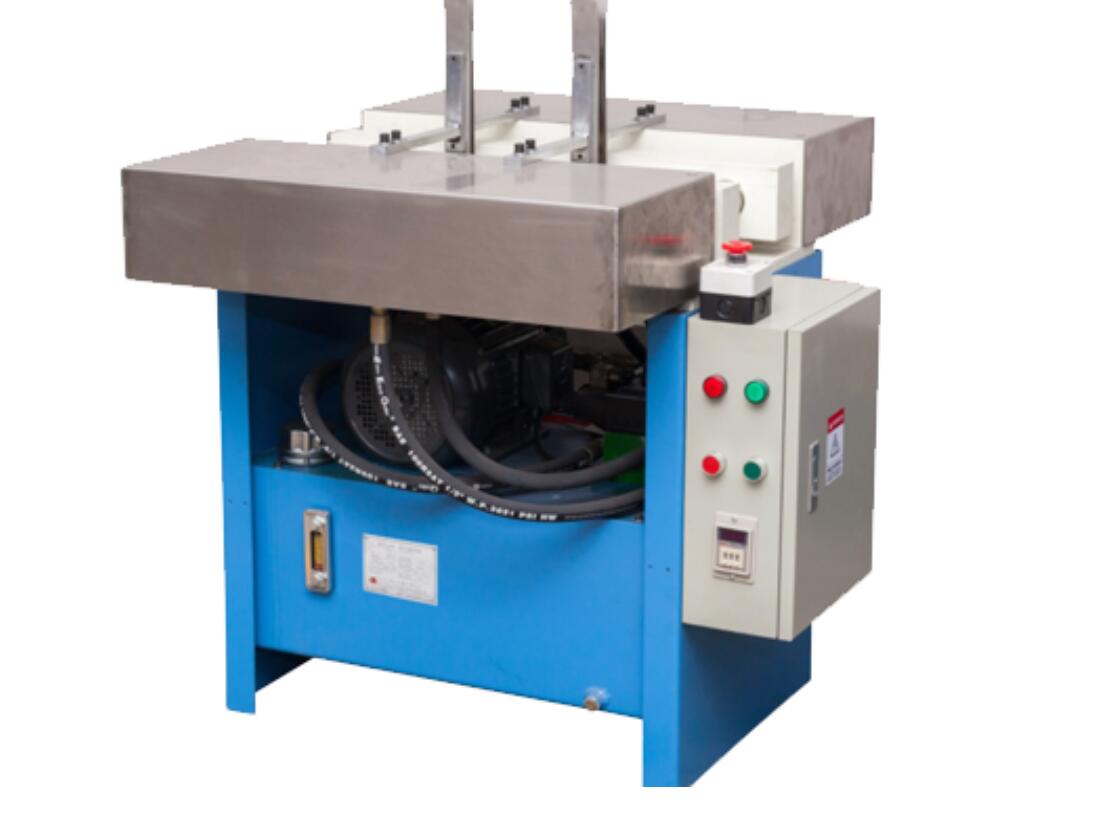
The case making machine is arguably the most critical piece of equipment in the entire hardcover book proofing line. It assembles the cover boards, spine stiffener, and covering material into a finished book case.
An automatic case making machine (or auto case maker) takes pre-cut greyboard, spine strips, and printed/laminated cover material, then precisely glues and wraps them into a finished hardcover case. High-end machines like those available at KylinMachines.com offer:
- ✓ Automatic positioning of boards and spine
- ✓ Hot-melt or cold glue application systems
- ✓ Adjustable turn-in for different case sizes
- ✓ Corner tucking automation for clean results
- ✓ Speed: up to 15–25 cases per minute
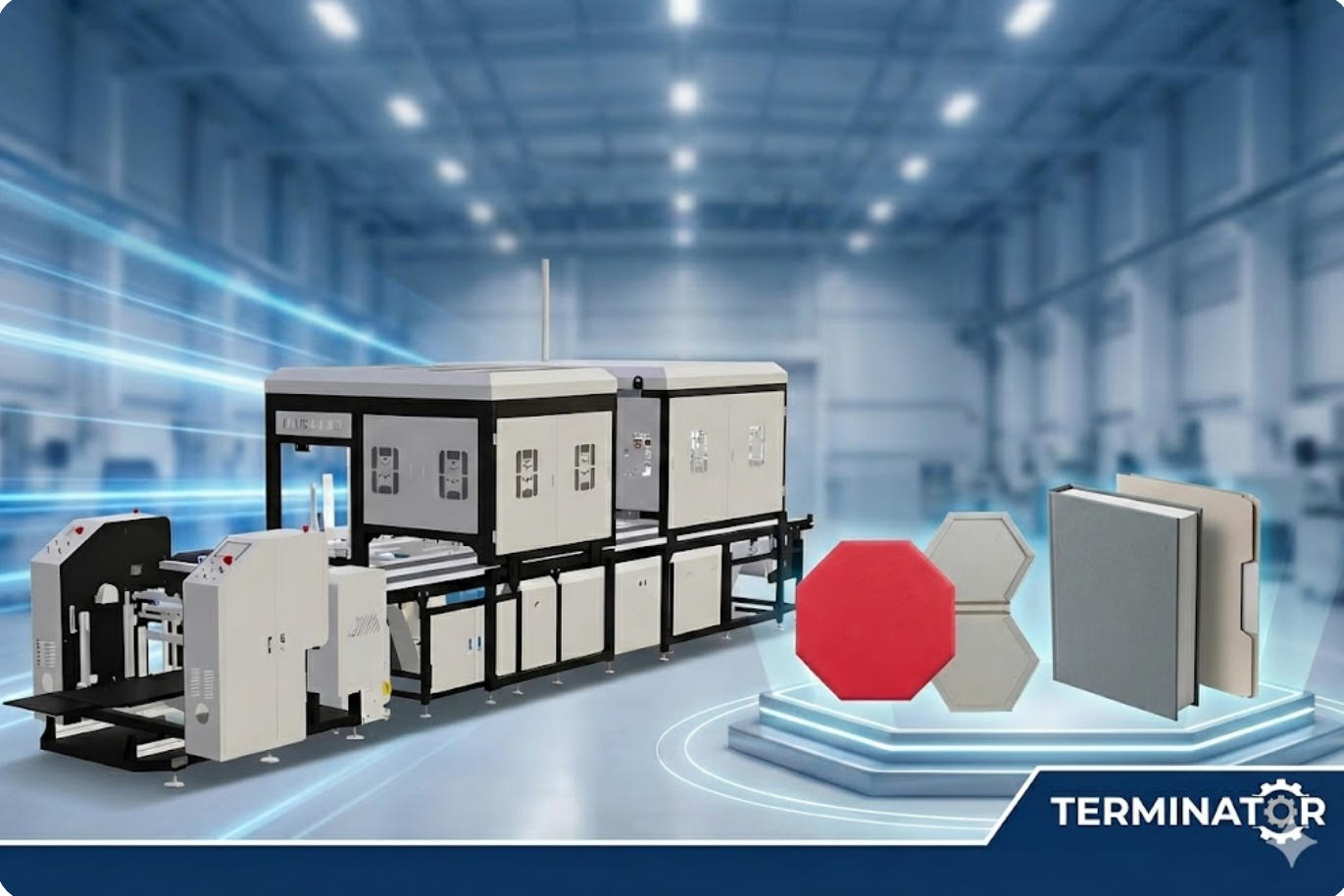
Professional automatic case making machine for hardcover book production
🎬 Watch: Automatic Case Making Machine in Action
✅ Recommended for Proofing
For proofing environments, consider a semi-automatic or tabletop case maker that allows quick job changeovers. Full automatic lines are better suited for production runs of 500+ units. Check AutoCaseMaker.com for both options.
Perfect Binding Machine
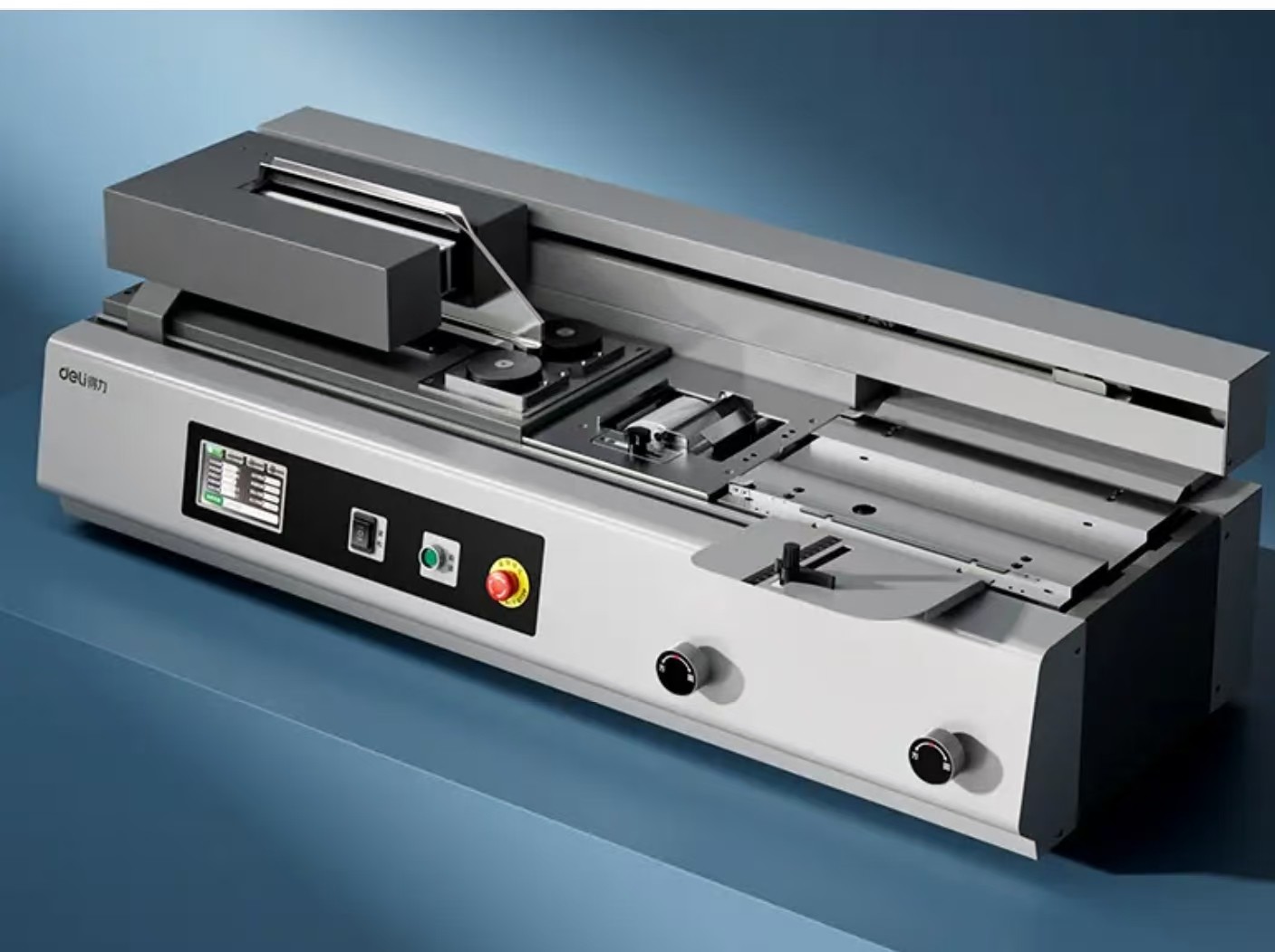
Perfect binding machine creating the book block spine
The perfect binding machine (or PUR binding machine) creates the book block — the interior pages bound together along the spine. For hardcover proofing, this is where the text block is formed before being cased-in.
Modern perfect binders use PUR (Polyurethane Reactive) hot-melt adhesive, which provides superior flexibility and durability compared to traditional EVA glue — crucial for lay-flat hardcover books.
Types Used in Proofing:
- • Desktop PUR Binder — for 1–10 copies
- • Semi-auto Perfect Binder — for 10–100 copies
- • Thread Sewing + PUR — premium quality proofs
🎬 Watch: Perfect Binding Process for Hardcover Books
Paper Cutting Machine (Guillotine Cutter)
A precision guillotine paper cutter is essential at multiple stages of hardcover proofing: cutting printed sheets to size, trimming greyboard for cases, and performing the critical three-side trim of the finished book block.
For proofing, you’ll need a cutter that handles both thin paper stock (80gsm) and thick greyboard (2–3mm). Programmable cutters with digital back gauges ensure repeatable accuracy.
Essential Specifications:
- ✓ Cutting width: minimum 450mm (18″)
- ✓ Clamp pressure: sufficient for greyboard stacks
- ✓ Digital back gauge with 0.1mm accuracy
- ✓ Safety: infrared beam guards and two-hand operation
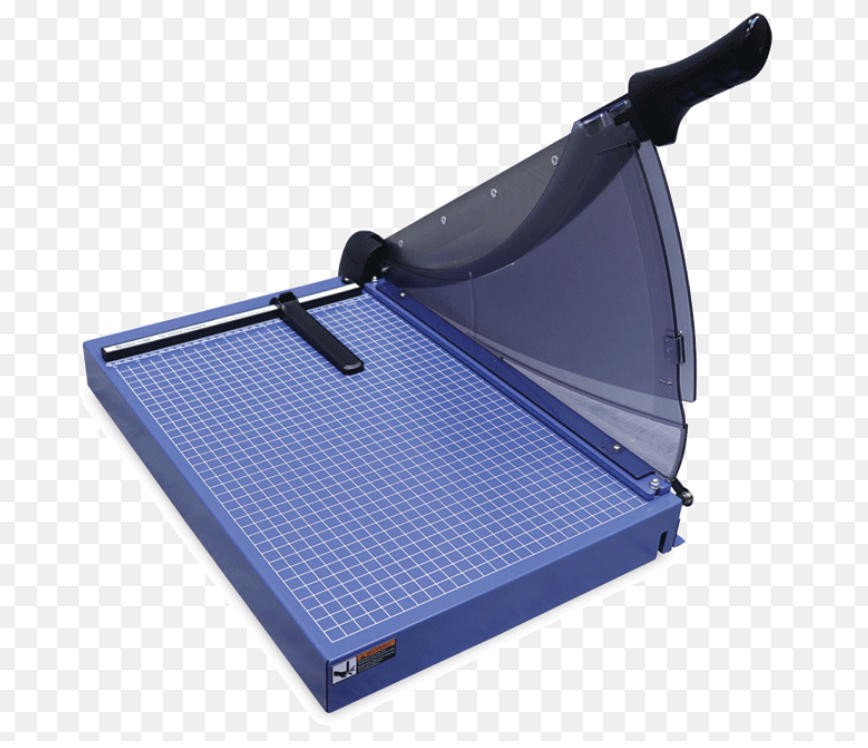
Programmable guillotine cutter for precision paper and board cutting
Laminating Machine
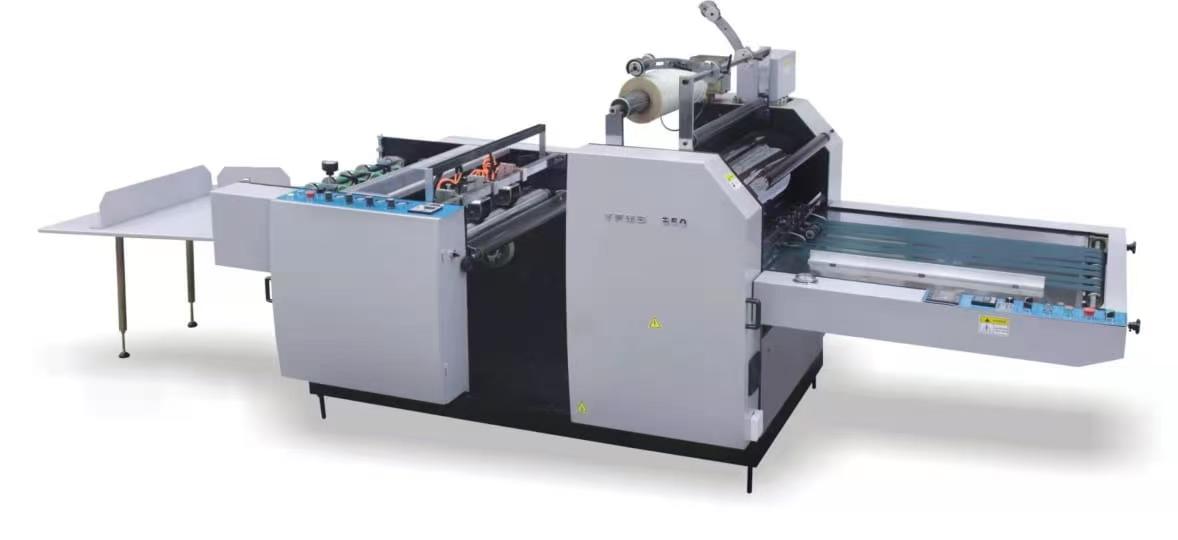
Thermal roll laminator applying protective film to cover material
Lamination is a critical finishing step for hardcover book covers. It applies a thin plastic film over the printed cover material, providing protection, durability, and a premium tactile feel.
Lamination Options:
🔹 Gloss Lamination
High-shine finish that enhances color vibrancy. Popular for photo books and children’s books.
🔹 Matte Lamination
Soft, non-reflective finish. Premium feel, preferred for literary fiction and art books.
🔹 Soft-Touch Lamination
Velvety texture that invites readers to pick up the book. Highest perceived value.
🎬 Watch: Roll Lamination for Book Covers
Foil Stamping / Hot Stamping Machine
Foil stamping (also called hot stamping or foil blocking) adds metallic, holographic, or pigment foil designs to hardcover book cases. It’s the process that creates those stunning gold, silver, or copper titles and decorative elements on premium hardcover books.
For proofing, a manual or semi-automatic foil stamping press is ideal. These machines use heated dies (brass, magnesium, or copper) to transfer foil onto the book case under pressure.
Machine Types:
- ★ Manual Platen Press — ideal for proofing, $1,000–5,000
- ★ Pneumatic Stamper — semi-auto, consistent pressure
- ★ Digital Foil Printer — no dies needed, for variable designs
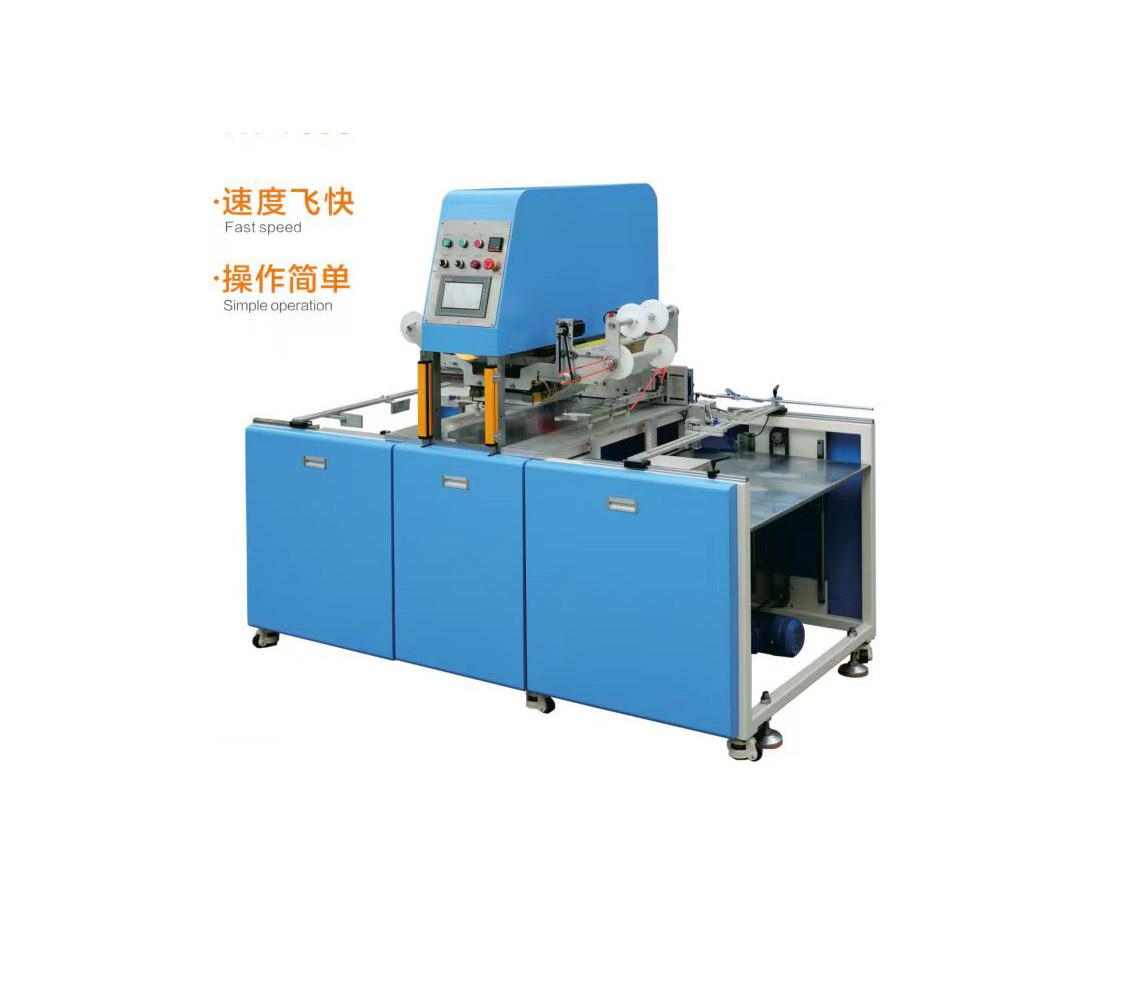
🎬 Watch: Hot Foil Stamping on Hardcover Books
Corner Cutting / Rounding Machine
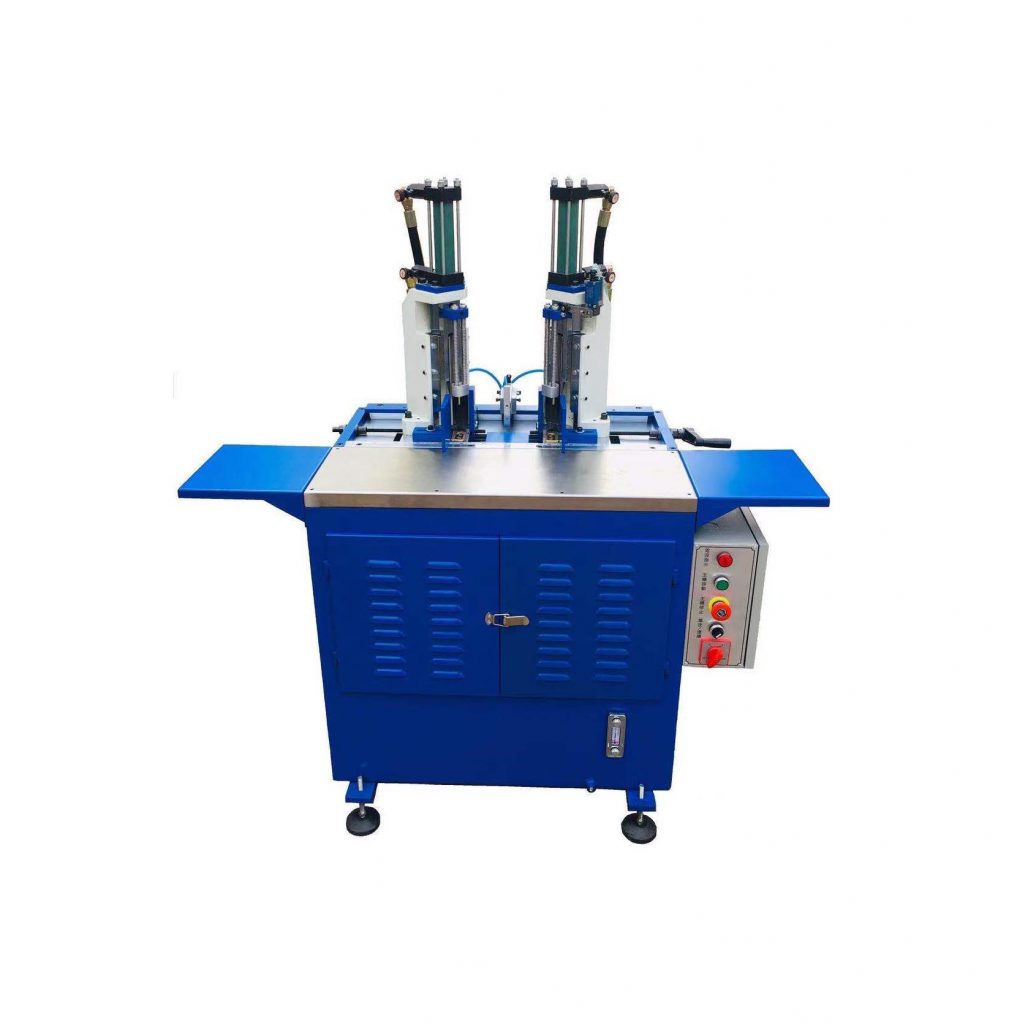
A corner cutting machine trims the corners of greyboard cover panels at a 45° angle before the case is assembled. This is essential for producing clean, professional corner tucks when the covering material is wrapped around the board.
Some advanced auto case making machines integrate corner cutting into the case making process, but standalone corner cutters offer more flexibility for proofing different board thicknesses.
Specifications:
- ✓ Board thickness capacity: 1–4mm
- ✓ Corner angle: adjustable 30°–60°
- ✓ Speed: up to 40 cuts/minute
Creasing & Scoring Machine
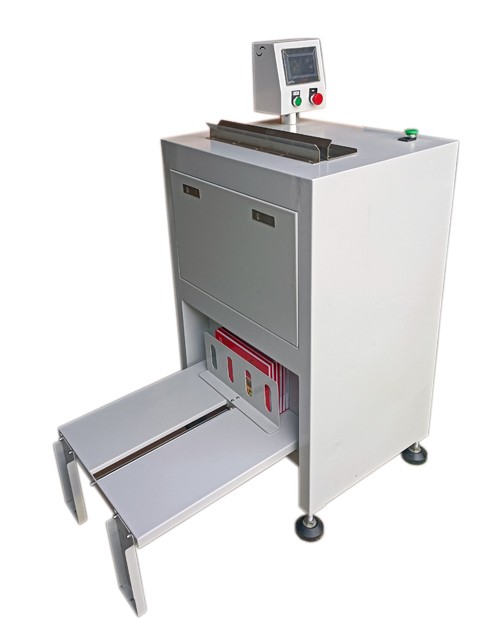
The creasing and scoring machine creates the critical spine hinge lines on the hardcover case. These creases define where the cover opens, creating the characteristic “joint” or “French groove” of a hardcover book.
Proper creasing is what distinguishes a professional hardcover proof from an amateur one. The crease depth, position, and consistency all affect how the book opens and how long the hinge will last.
Used For:
- • Spine hinge scoring on finished cases
- • Cover wrap fold lines
- • Dust jacket fold creases
Book Press / Nipping Press
A book press (also called a nipping press or building-in machine) applies even pressure to the finished cased-in book, forming the French groove joint and ensuring proper adhesion between the book block and the case.
This step is critical — without proper pressing, the endpapers may wrinkle, the joints may not form cleanly, and the book won’t open properly. Books are typically pressed for 12–24 hours.
Types:
- • Manual Screw Press — traditional, affordable
- • Hydraulic Book Press — consistent, high pressure
- • Building-In Machine — automated joint forming
🎬 Watch: Book Pressing & Building-In Process
Casing-In Machine

The casing-in machine performs the critical step of attaching the finished book block to the hardcover case. It applies adhesive to the endpapers (or mull/super), positions the book block inside the case, and presses them together.
For proofing purposes, casing-in can be done manually with a bone folder and brush, but a semi-automatic casing-in machine ensures consistent glue coverage and alignment — essential for client-facing proofs.
Key Requirements:
- ✓ Even glue application across endpapers
- ✓ Precise centering of block in case
- ✓ Consistent turn-in coverage on all sides
End Sheet Tipping Machine
The end sheet tipping machine applies and attaches the endpapers (also called end sheets or doublures) to the first and last signatures of the book block. Endpapers are the decorative and functional sheets that connect the book block to the case.
In proofing, endpapers can be plain white, colored, printed with maps or designs, or even made from specialty materials. A tipping machine applies a thin strip of adhesive (typically 3–6mm wide) along the spine edge.
Proofing Options:
- • Manual tipping with glue gun and ruler
- • Semi-auto tipper — consistent adhesive line
- • Integrated in-line tipping on perfect binders

Spine Rounding & Backing Machine
Rounded spine gives hardcover books their classic professional appearance
Spine rounding and backing is the process that gives hardcover books their characteristic curved spine shape. The rounding creates the convex spine profile, while backing creates the shoulder or “hinge” that the cover boards sit against.
Not all hardcover books have rounded spines — many modern books use flat-back (square-back) construction. However, rounded spines are still preferred for premium editions, Bibles, reference books, and luxury publishing.
Equipment Options:
- • Manual Rounding Hammer — traditional hand method
- • Semi-Auto Rounding Machine — consistent radius
- • Combined Rounding & Backing Unit — production-ready
🎬 Watch: Book Spine Rounding & Backing Process
📊 Complete Equipment Comparison Table
Below is a comprehensive comparison of all equipment needed for hardcover book proofing, including estimated price ranges, automation levels, and production capacity.
| # | Equipment | Function | Automation Level | Price Range (USD) | Proofing Priority | Source |
|---|---|---|---|---|---|---|
| 1 | Digital Printer | Print interior pages & covers | Automatic | $5,000 – $150,000 | 🔴 Essential | Xerox, Konica Minolta |
| 2 | Case Making Machine | Assemble hardcover cases | Semi / Auto | $3,000 – $80,000 | 🔴 Essential | KylinMachines.com |
| 3 | Perfect Binder | Bind book block | Semi / Auto | $2,000 – $50,000 | 🔴 Essential | Horizon, Duplo |
| 4 | Paper Cutter | Trim sheets & boards | Semi / Auto | $1,500 – $30,000 | 🔴 Essential | Polar, Ideal |
| 5 | Laminator | Cover protection & finish | Automatic | $800 – $25,000 | 🟠 Important | GMP, Vivid |
| 6 | Foil Stamper | Metallic finishing | Manual / Semi | $1,000 – $40,000 | 🟠 Important | KAMA, Kluge |
| 7 | Corner Cutter | Board corner trimming | Manual / Semi | $300 – $5,000 | 🟡 Helpful | Lassco, Challenge |
| 8 | Creasing Machine | Spine hinge scoring | Semi / Auto | $500 – $15,000 | 🟠 Important | Morgana, Duplo |
| 9 | Book Press | Joint forming & pressing | Manual / Semi | $200 – $10,000 | 🔴 Essential | Various |
| 10 | Casing-In Machine | Block-to-case assembly | Semi / Auto | $5,000 – $60,000 | 🔴 Essential | KylinMachines.com |
| 11 | End Sheet Tipper | Endpaper application | Manual / Semi | $500 – $15,000 | 🟠 Important | Various |
| 12 | Spine Rounder | Spine rounding & backing | Semi / Auto | $3,000 – $45,000 | 🟡 Optional | Various |
💰 Total Investment Range: A complete hardcover proofing line ranges from approximately $20,000 (basic manual setup) to $500,000+ (fully automated) depending on throughput requirements and automation level. Visit AutoCaseMaker.com for competitive pricing on case making equipment.
🛠️ Supporting Tools & Consumables
Beyond the main machines, you’ll need these supporting tools and consumables for a complete proofing setup:
| Item | Purpose | Est. Cost | Notes |
|---|---|---|---|
| Greyboard (Chipboard) | Cover boards (1.5–3mm) | $50–200/bundle | 2mm most common for standard books |
| Book Cloth / Buckram | Cover material | $15–80/yard | Available in 50+ colors |
| PVA Glue / Hot Melt | Adhesive for case & binding | $20–100 | PVA for cases, PUR for binding |
| Crash / Super / Mull | Spine reinforcement fabric | $30–80/roll | Essential for spine strength |
| Headbands | Decorative spine ends | $5–25/roll | Adds premium look |
| Ribbon Marker | Bookmark ribbon | $5–15/roll | Satin or grosgrain |
| Foil Rolls | Hot stamping material | $30–150/roll | Gold, silver, custom colors |
| Bone Folder | Manual creasing & folding | $5–20 | Indispensable hand tool |
🔄 Step-by-Step Hardcover Book Proofing Workflow
Understanding how each piece of equipment fits into the production sequence is critical. Here’s the complete proofing workflow from raw materials to finished hardcover book:
Pre-Press & Design
Prepare print files: interior layout (PDF), cover artwork with spine calculation, and endpaper designs. Ensure correct bleed, trim marks, and color profiles (CMYK/ICC).
Digital Printing
Print interior pages (text block) and cover wrap material on the digital press. Print endpapers if using custom designs.
🖨️ Equipment: Digital Printing Press
Lamination
Apply lamination film (gloss, matte, or soft-touch) to printed cover material using the roll laminator. This must be done before case making.
✨ Equipment: Laminating Machine
Cutting & Preparation
Cut greyboard to size for front/back covers and spine strip. Cut and trim printed cover material. Cut interior sheets to press size.
✂️ Equipment: Paper Cutter + Corner Cutter
Case Making
Assemble the hardcover case: position boards and spine on covering material, apply glue, wrap and tuck corners. This is the core step.
📦 Equipment: Case Making Machine (KylinMachines)
Foil Stamping & Embossing
Apply foil titles, logos, or decorative elements to the finished case. Emboss or deboss if required. Best done after case is complete but before casing-in.
🔥 Equipment: Foil Stamping Machine
Book Block Preparation
Collate, jog, and bind interior pages. Tip on endsheets. Apply mull/crash to spine. Add headbands and ribbon marker. Round spine if desired.
📚 Equipment: Perfect Binder + End Sheet Tipper + Spine Rounder
Casing-In & Pressing
Glue endpapers, insert book block into case, align, and press. Form joints using building-in machine or book press. Allow 12–24 hours drying time.
📖 Equipment: Casing-In Machine + Book Press
Quality Check & Delivery
Inspect proof for: cover alignment, spine width, joint formation, foil quality, color accuracy, and binding strength. Trim three sides if needed. Package and deliver to client.
❓ Frequently Asked Questions
Conclusion: Building Your Hardcover Proofing Capability
Producing professional hardcover book proofs requires a carefully selected lineup of specialized equipment — from digital printing presses that produce vibrant interior pages, to automatic case making machines that form the distinctive hardcover shell, to finishing equipment that adds the premium touches clients expect.
The good news is that modern equipment has made hardcover proofing accessible to operations of all sizes. Whether you’re a boutique bindery, a print-on-demand provider, or a commercial printer expanding into premium products, there’s equipment available at every price point and automation level.
We recommend starting with the four essential machines — digital printer, case maker, perfect binder, and paper cutter — and expanding into finishing equipment as your volume grows. For case making machines specifically, AutoCaseMaker.com offers a range of solutions from semi-automatic to fully automatic production lines.
Ready to Set Up Your Hardcover Proofing Line?
Explore professional case making machines and hardcover book equipment solutions. Get expert guidance on building the right proofing workflow for your business.
🔗 Related Resources & Links
AutoCaseMaker.com
Professional automatic case making machines for hardcover book production. Semi-auto and fully automatic models.
Xerox Digital Presses
Production digital printing presses for book manufacturing and short-run proofing.
Horizon International
Perfect binding machines, collators, and post-press finishing equipment for book production.
Duplo International
Creasing, scoring, cutting, and binding solutions for digital print finishing.
Konica Minolta Production Print
AccurioPress series digital production presses for commercial book printing.
Morgana Systems
Professional creasing, folding, and finishing equipment for digital print production.
Last updated: February 2026 | Reading time: ~15 minutes
© 2026 Hardcover Book Equipment Guide. For equipment inquiries, visit KylinMachines.com


Leave a Reply